
Companion Plants
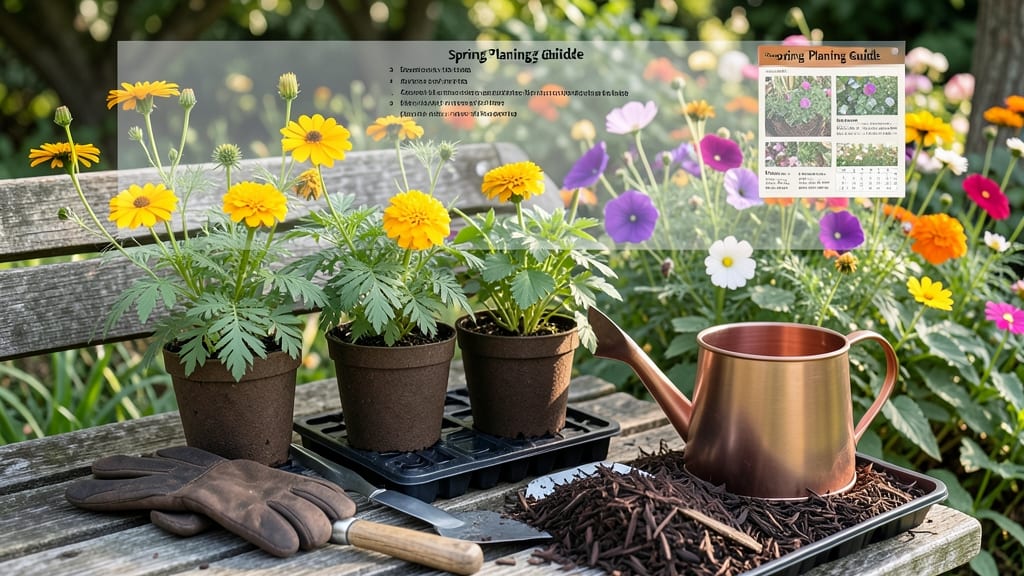
Got your annuals ready to plant but don’t know when to start in Zone 7? Timing is everything—get it wrong, and your seedlings could meet an early frost or struggle in summer heat.
The key is understanding your local last frost date, which typically falls between March 15 and April 15, but can shift based on microclimates.
Whether you’re dreaming of vibrant marigolds, crisp lettuce, or fragrant basil, knowing the right window makes all the difference. I’ll break down exactly when to plant cool-season and warm-season annuals, plus how to protect tender plants from unpredictable weather. Let’s get your garden off to a successful start!
You’ll also discover how to extend your growing season with simple tools like row covers or cold frames, so you can enjoy fresh harvests well into fall. No more guessing—just confidence in your planting schedule. Ready to transform your garden?
From pansies that brave early spring to sun-loving tomatoes, I’ll cover the best varieties for each season and how to adjust for your specific zone. Let’s make sure your annuals thrive all year long!
Zone 7 last frost dates by month: when to plant annuals for maximum success
Understanding Zone 7 last frost dates is the key to successful annual planting. In this zone, the average last frost date typically falls between March 15 and April 15, but this can shift slightly depending on your exact location within the zone.
For example, areas like Richmond, Virginia, often see their last frost around March 28, while Nashville, Tennessee, might experience it closer to April 5. Always check local weather records for the most accurate timing.
Your microclimate plays a huge role too—valleys tend to frost later than hilltops, and urban areas may warm up faster.
I recommend using a frost calendar from your local Cooperative Extension Service or tracking data from a nearby weather station for at least 3 years to establish your true last frost date. This small effort can mean the difference between thriving annuals and lost investments.
Cold-hardy annuals like pansies, snapdragons, and calendula can handle early planting, often as early as February in Zone 7 if you use row covers or cold frames. These plants can tolerate light frosts, making them ideal for early spring planting. On the other hand, heat-loving varieties such as marigolds, basil, and okra should wait until after the last frost, typically after April 15, to avoid stunted growth or death from chilly nights.
🌱
For cool-season annuals, aim to plant 4–6 weeks before your last frost date. This gives seedlings enough time to establish roots before warmer weather arrives. For example, if your last frost is April 1, plant lettuce or spinach around February 28–March 15.
If you're growing from seed, start indoors 6–8 weeks earlier to ensure they're ready for transplanting at the right time.
Warm-season annuals, like tomatoes and peppers, need soil temperatures above 60°F to thrive. In Zone 7, this typically means waiting until after April 15. Use a soil thermometer to confirm—planting too early can stunt growth or even kill seedlings.
If you're eager to get a head start, consider using biodegradable pots to transplant seedlings after the last frost without disturbing their roots.
Don’t forget about succession planting! Fast-growing annuals like radishes, bush beans, and lettuce can be sown every 2–3 weeks throughout the growing season. This ensures a continuous harvest and maximizes your garden space.
For instance, I plant radishes every 10 days from March through September, guaranteeing fresh harvests all season long.
If you're unsure about your local frost dates, a simple trick is to observe your neighbors' gardens. When cherry blossoms are fully open, it’s a good sign that the last frost has passed in most of Zone 7.
Another reliable indicator is the emergence of dandelions—they’re often the first sign that spring is truly here.
🌿
Protecting your early plantings is crucial, especially if you're pushing the limits of your last frost date. Use row covers or cloches to shield seedlings from unexpected late frosts.
I’ve saved countless tomato and pepper seedlings by covering them with lightweight fabric on nights when temperatures drop below 40°F. Always secure covers tightly to prevent wind damage, and remove them during the day to allow sunlight and airflow.
Finally, keep a gardening journal to track your planting dates and outcomes. Note which varieties thrive in your microclimate and which struggle. Over time, you’ll develop a personalized planting schedule that accounts for your unique Zone 7 conditions. This knowledge becomes invaluable for future seasons!
Best annuals to plant in Zone 7: grouped by frost sensitivity and seasonal timing
Zone 7’s moderate climate lets you grow annuals year-round, but timing depends on each plant’s frost tolerance. Cool-season annuals thrive in early spring or fall, while warm-season varieties need soil warmth after last frost.
Let’s break it down by category so you can plan your garden like a pro.
For cool-season annuals, start seeds indoors 4–6 weeks before your last frost date (typically March 15–April 15). These hardy plants handle light frosts and even brief freezes.
Examples include pansies, snapdragons, and lettuce, which you can direct-sow as early as February under row covers if you’re ambitious.
Warm-season annuals like tomatoes, peppers, and basil need warmer soil (60°F+) and no risk of frost. Wait until after May 15—or plant in biodegradable pots 2–3 weeks earlier to jumpstart growth. Delicate bloomers like impatiens and marigolds also fall here; they’ll sulk in cool soil.
Pro tip: Succession planting works wonders in Zone 7. Sow fast growers like radishes or bush beans every 2–3 weeks from spring to early summer for a continuous harvest. Even warm-season crops can get a late start—just use shade cloth if summer heat arrives early.
🌱 Zone 7 Annual Planting Guide by Season
- 🌱 Early Spring (Feb–March): Pansies, snapdragons, lettuce, spinach, peas
- ☀️ Late Spring (April–May): Tomatoes, peppers, basil, marigolds, zinnias
- 🌿 Summer (June–July): Sweet potatoes, okra, sunflowers, cosmos (succession plant)
- 🍂 Fall (Aug–Sept): Kale, radishes, nasturtiums, sweet alyssum (cold-hardy)
- ❄️ Winter (Oct–Nov): Pansies, calendula, winter lettuce (with row covers)
Don’t overlook year-round annuals like nasturtiums and sweet alyssum. These tough beauties handle light frosts and summer heat, making them perfect for edging, containers, or fillers. Plant them in early spring or late summer for nonstop color.
Remember: Soil temperature matters more than air temperature. Use a soil thermometer—most warm-season crops need 60°F+ soil to thrive. If your spring is slow to warm, opt for container gardening to control heat with black plastic mulch or grow lights.
Now that you’ve got the timing down, your next move? Mark your calendar for last frost date checks and succession planting reminders—your future harvests (and blooms!) will thank you. 🌻