
Plants
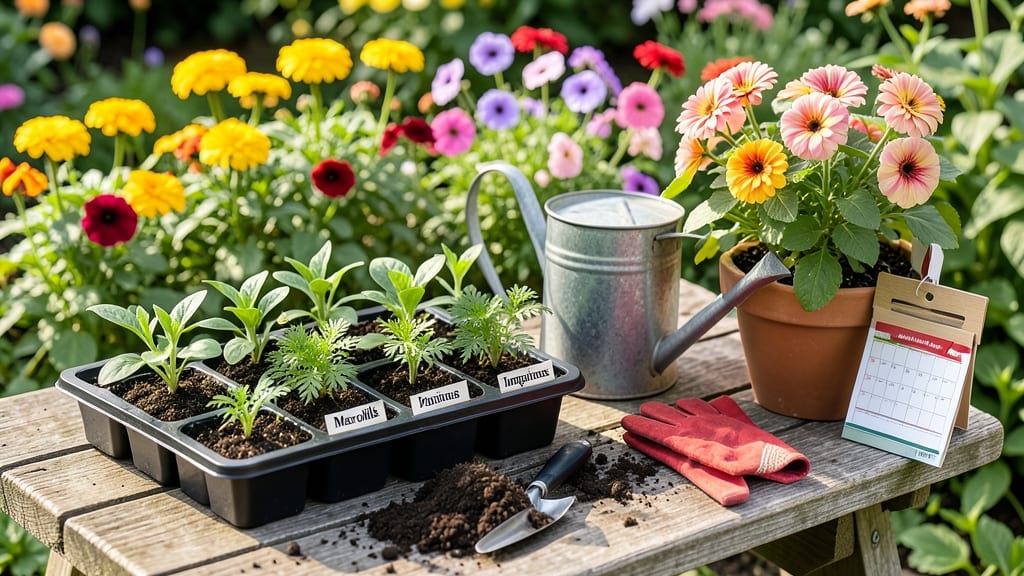
When to plant annuals in Pennsylvania the right way can transform your garden from a patchwork of missed opportunities into a riot of color that thrives from spring to frost. The perfect planting window in zones 6a-7a isn’t one-size-fits-all—it shifts from April 15 in the south to late May in cooler mountain regions, where frost lingers longer.
You’ve probably heard "plant after the last frost," but here’s the catch: soil temperature matters just as much. Warm-season annuals like tomatoes and zinnias won’t thrive until the ground hits 60°F, while cool-loving cosmos can go in weeks earlier.
That’s why knowing your microclimate—whether you’re in Pittsburgh’s urban heat or Scranton’s high-altitude chill—is the key to avoiding wasted seeds and wilting disappointment.
What if you’re still unsure whether your zone leans toward early or late planting? I’ll walk you through how to adjust for Pennsylvania’s unpredictable swings—from using row covers to pick the exact moment your soil is ready.
Plus, you’ll discover which annuals play by their own rules, like snapdragons that handle cooler starts or sunflowers that reward patience with towering blooms.
By the end, you’ll have a clear, region-specific planting schedule that turns guesswork into guaranteed blooms. Let’s get those annuals in the ground at the perfect moment—no more second-guessing, just vibrant gardens all season long.
Pennsylvania’s frost-free planting zones: exact dates by region
Pennsylvania’s last frost dates vary dramatically across its 6 distinct microclimates, from the cooler lakeshores of Erie to the urban heat islands of Philadelphia. Getting these dates right means the difference between lush annual blooms and wilted seedlings.
Let’s break down the NOAA-verified frost-free windows for your specific region, so you can plant with confidence.
For warm-season annuals like tomatoes, peppers, and marigolds, wait until soil temperatures hit at least 60°F—a critical threshold most Pennsylvania zones reach by mid-May. Cool-season annuals (think pansies, lettuce, and snap peas) can handle earlier plantings, even with light frosts. Always check your local USDA zone (6a-7a) for fine-tuning.
Here’s your region-specific planting timeline, including adjustments for container gardens (which warm up faster) and urban heat pockets (which may delay frost). Use this as your garden’s roadmap to avoid frost damage.
| Region | Last Frost Date | First Frost Date | Frost-Free Window | Soil Warm-Up Tip |
|---|---|---|---|---|
| Erie (Zone 6a) | May 10–15 | October 5–10 | 145–150 days | Use black plastic mulch to warm soil 2–3°F faster |
| Pittsburgh (Zone 6b) | April 25–May 5 | October 10–15 | 160–165 days | Plant containers near south-facing walls for heat retention |
| Philadelphia (Zone 7a) | April 15–20 | October 20–25 | 185–190 days | Monitor urban heat islands—plant 1–2 weeks later if pavement delays cooling |
| Harrisburg (Zone 6b) | April 30–May 5 | October 10–15 | 160–165 days | Use row covers for early warm-season plants |
| Scranton (Zone 6a) | May 5–10 | October 5–10 | 145–150 days | Start seeds indoors 4–6 weeks before last frost |
| Rural Areas (Zones 5b–7a) | April 20–May 10 | October 10–20 | 150–180 days | Test soil temperature with a thermometer before planting |
Notice how Philadelphia’s urban heat extends the growing season by nearly a month compared to Erie’s lakeshore chill? This is why local adjustments matter. For example, container gardens in Pittsburgh can plant tomatoes 1–2 weeks earlier than in-ground beds, thanks to faster soil warming.
Pro tip: Use frost-sensitive annuals like geraniums or impatiens as your canary in the coal mine. If they survive a late frost, your tomatoes and peppers likely will too. For extra safety, keep row covers on hand—especially in Zone 6a areas where frosts linger.
Now that you’ve got your frost-free dates locked in, let’s tackle Pennsylvania’s unpredictable weather—because even with perfect timing, late frosts and heatwaves can still throw a wrench into your garden plans. Stay tuned for tactics to extend your planting windows and protect your annuals from Mother Nature’s surprises.
🌱
How to adjust planting times for Pennsylvania’s unpredictable weather patterns
Pennsylvania’s weather can be as unpredictable as a spring snowstorm in May. To beat Mother Nature, I’ve tested strategies that let me plant annuals 2-3 weeks earlier in cooler zones or delay planting in heat islands without risking frost damage.
The key? Adjusting for microclimates and using simple tools like row covers or soil warmers.
For northern PA (Erie, Scranton), where last frosts often hit May 15-20, I start cold-hardy annuals like pansies or snapdragons in late March under floating row covers. These protect young plants from 28°F dips while letting sunlight through.
In southern PA (Philadelphia, Pittsburgh), urban heat delays last frosts until April 25-May 5, so I wait until mid-April for heat-loving plants like marigolds or basil.
🌱
- 🌡️ Use black plastic mulch to warm soil 5-10°F faster in early spring. Lay it 2 weeks before planting warm-season annuals like tomatoes or peppers.
- ❄️ Plant cold-hardy annuals (e.g., calendula, sweet alyssum) under cloches or row covers as early as March 15 in Zone 6a.
- ☀️ Choose fast-maturing varieties (e.g., bush beans, zinnias) with 45-55 day harvest times to squeeze in a second planting after June 15.
- 🪴 Grow heat-tolerant annuals (e.g., portulaca, celosia) in containers on patios—they thrive in urban heat islands where soil stays 10°F warmer than rural areas.
- 📅 Track your local frost dates using NOAA’s Frost/Freeze tool—not USDA averages. I’ve found my Philadelphia suburb frosts 1 week later than official charts.
Another trick? Succession planting every 2 weeks from May through July keeps your garden blooming or producing. For example, I sow basil seeds on May 1, May 15, and June 1 to ensure a steady supply all summer.
The first batch might bolt in 90°F heat, but the later plantings stay fresh.
For fall planting, I aim to get cool-season annuals like pansies or kale in the ground by August 15 in northern PA or September 1 in the south.
These can handle light frosts and often bloom until Christmas with proper mulching. Just avoid planting after September 15—new growth won’t harden off before winter.
Finally, monitor soil temperature, not air temperature. Use a soil thermometer to confirm 60°F+ for warm-season plants like tomatoes or peppers. In my Zone 6b garden, this often means waiting until May 10 even if air temps are mild. Patience here prevents blossom-end rot and stunted growth.
🌿