
Plants
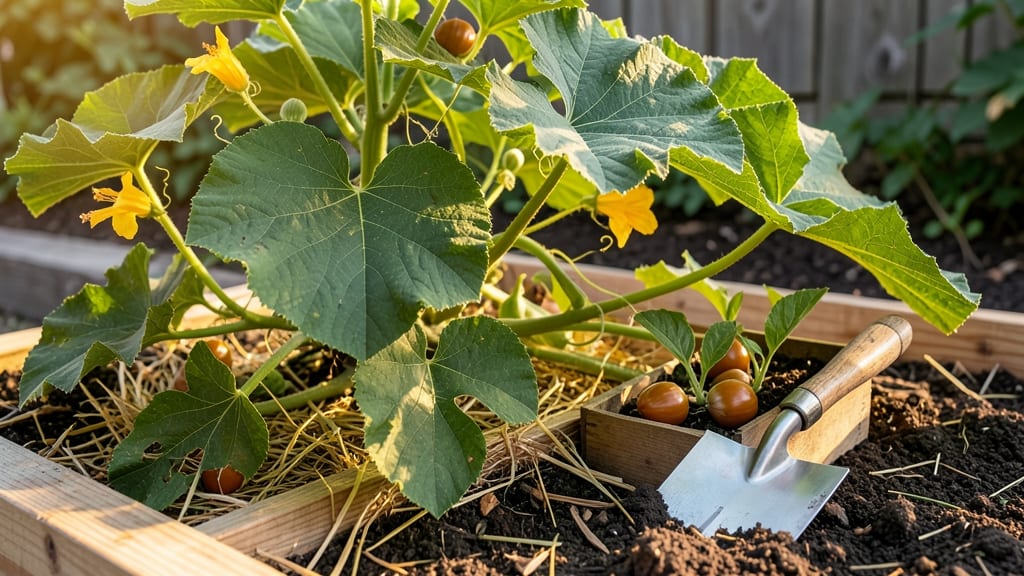
If you've ever wondered when to plant acorn squash in Florida without ending up with bitter-tasting or diseased fruit, you're not alone. Florida’s unique climate—with its long, hot summers and rare but possible frosts—means timing is everything for a successful harvest.
Acorn squash 🎃 thrives in Florida’s 9a-11 zones, but planting too early can leave your plants wilting under summer heat, while waiting too long risks frost damage before harvest.
The key is to start seeds or transplants in mid-February to early March or late summer (August), aligning with your region’s frost-free window.
In this guide, I’ll break down the exact planting deadlines for your Florida heat zone, how to adjust for coastal humidity vs. inland dryness, and the 3 common mistakes that sabotage even the most well-intentioned gardeners. No more guesswork—just a foolproof plan for sweet, homegrown acorn squash.
Ready to skip the trial-and-error? Let’s dive into the perfect timing for planting acorn squash in Florida so you can enjoy a bountiful harvest from late fall through winter—or even spring.
Florida heat zone planting deadlines for acorn squash by month
Florida’s USDA zones 8-11 create unique opportunities for growing acorn squash, but timing is critical to avoid heat stress or disease pressure. Unlike northern climates, Florida gardeners can plant twice a year—once in late summer for fall harvests and again in early spring for winter-to-spring yields.
The key is aligning your planting with soil temperatures (ideal: 70-90°F) and avoiding the peak summer heat that can scorch young seedlings.
Acorn squash thrives in Florida’s long frost-free season, but even here, microclimates matter. Coastal areas like Miami (zone 11) can plant year-round with caution, while North Florida (zone 8) must time plantings to avoid early frosts (as early as December 1).
Below, I’ve broken down the optimal planting windows by month, including soil prep tips and heat zone adjustments.
| Month | Planting Window | Soil Temp (°F) | Key Notes |
|---|---|---|---|
| June | Late June | 75-85°F | Start indoors or use shade cloth; avoid direct sun until established. |
| July | Mid-July | 80-90°F | Best month for direct sowing; use mulch to retain moisture. |
| August | Early August | 78-88°F | Ideal for fall harvests; plant after August 15 to avoid heat stress. |
| September | Late September | 75-85°F | Succession plant for winter harvests; use row covers in North FL. |
| February | Mid-February | 65-75°F | Start indoors for spring harvests; transplant after last frost (varies by region). |
| March | Early March | 70-80°F | Direct sow in South FL; use shade cloth in North FL. |
For North Florida gardeners (zones 8-9), the August planting window is your best bet for fall harvests before potential December frosts. In contrast, South Florida (zones 10-11) can extend planting into September or even October for winter harvests, thanks to milder temperatures.
Always test your soil temperature with a soil thermometer—acorn squash seeds need consistent warmth to germinate.
Pro tip: If you’re in Central Florida (zone 9), aim for July 15-August 15 plantings to ensure your squash matures before cooling temperatures in October. Use black plastic mulch to warm the soil faster and straw mulch to retain moisture during Florida’s humid summers.
This dual-layer approach can boost your germination rates by up to 30%.
One common mistake is assuming Florida’s heat means you can plant anytime. While it’s true that acorn squash
Florida heat zone planting deadlines for acorn squash by month
Acorn squash thrives in Florida’s USDA zones 9a-11, but timing is critical to avoid heat stress or humidity-related diseases. The ideal window spans mid-February to early March for spring harvests or late summer (August) for fall yields. Soil temperatures should reach 60-70°F for germination.
In North Florida (zones 8-9a), plant acorn squash seeds in February-March to harvest before December’s first frost. Central Florida (zones 9b-10a) gardeners can extend planting until April or August-September for dual harvests. South Florida (zones 10b-11) enjoys year-round planting but prioritizes August to avoid summer’s oppressive heat.
| Month | Planting Window | Soil Temp (°F) | Harvest Window |
|---|---|---|---|
| February | Direct sow (North FL) | 60-70°F | October-November |
| March | Indoor start (transplant) | 65-75°F | November-December |
| August | Direct sow (all zones) | 75-85°F | October-November |
| September | Succession planting | 70-80°F | December-January |
For spring harvests, aim to plant by March 15 in North Florida to ensure 90-day maturity before frosts. Fall plantings should begin by August 1—delaying risks powdery mildew from September’s humidity. Soil prep is key: amend with compost to improve drainage, as acorn squash hates soggy roots.
Use black plastic mulch in summer to raise soil temperatures 5-10°F faster. Shade cloth (30%) protects young seedlings from intense afternoon sun in June-July. Transplant seedlings when they have 2-3 true leaves and soil is warm—never in peak heat (10 AM-4 PM).
Monitor humidity levels—acorn squash struggles above 75% humidity. Space plants 3-4 feet apart for airflow. Prune lower leaves to reduce fungal spores during Florida’s rainy season. Harvest when rinds turn deep orange and vines yellow, typically 85-100 days after planting.
In South Florida, plant year-round but focus on August-September to avoid hurricane season disruptions. North Florida gardeners should prioritize spring plantings for fall harvests before December’s rare frosts. Central Florida offers flexibility with dual-season planting for extended yields.