
Planting
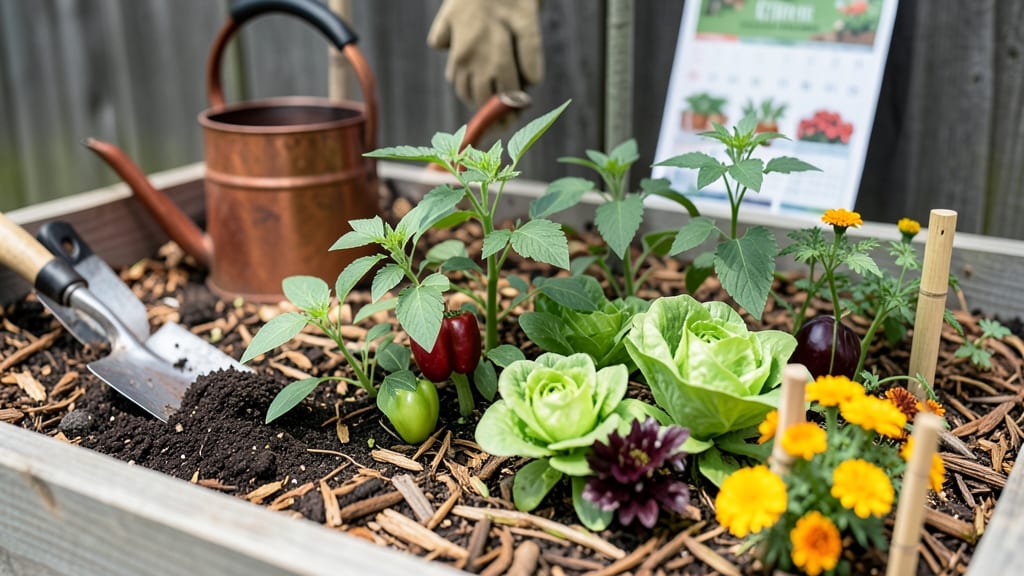
When to plant a garden in Virginia can make or break your harvest—get it wrong, and you’ll either freeze tender seedlings or miss out on summer’s bounty. The state’s varied climate means what works in the Tidewater won’t cut it in the Blue Ridge Mountains, and knowing your last frost dates is the key to success.
I’ve spent years watching Virginia gardens transform from frost-bitten failures to lush, productive spaces—all because the right plants hit the soil at the right time.
Whether you’re sowing cool-loving 🌱 lettuce in March or waiting for the heat to plant tomatoes, the difference between a thriving plot and a struggling one often comes down to a few weeks of perfect timing.
What you’ll discover here are the exact planting windows for Virginia’s five distinct regions, from the Coastal Plain’s milder winters to the Piedmont’s unpredictable spring swings. No more guessing—just data-backed advice to help you plant with confidence and avoid common mistakes that waste time and resources.
Ready to turn your garden into a high-yield powerhouse? Let’s break down the science behind Virginia’s frost dates and how to use them to your advantage—so you can enjoy fresh homegrown produce all season long.
Virginia’s last frost dates by region: critical planting windows
Virginia’s climate varies dramatically from the Coastal Plain to the Blue Ridge Mountains, creating five distinct planting zones. Understanding your last frost date is the first step to timing your garden perfectly.
In most areas, this falls between mid-March and late April, but coastal regions can be weeks earlier. Warm-season crops like tomatoes and peppers need soil temperatures above 60°F—typically 2-4 weeks after the last frost.
For cool-season crops such as broccoli, kale, and peas, you can plant 4-6 weeks before your last frost date. These hardy vegetables tolerate light frosts and often thrive in Virginia’s early spring and fall.
Meanwhile, heat-loving plants like okra and sweet potatoes should wait until after Memorial Day in most regions to avoid frost damage.
Here’s how Virginia’s regions break down:
| Region | Avg. Last Frost Date | Cool-Season Window | Warm-Season Window |
|---|---|---|---|
| Coastal Plain (e.g., Norfolk) | March 15–April 1 | Feb 15–March 15 | April 15–May 1 |
| Piedmont (e.g., Richmond) | April 1–April 15 | March 1–March 15 | May 1–May 15 |
| Blue Ridge (e.g., Roanoke) | April 15–May 1 | March 15–April 1 | May 15–June 1 |
| Shenandoah Valley (e.g., Staunton) | April 20–May 5 | March 20–April 5 | May 20–June 5 |
| Tidewater (e.g., Virginia Beach) | March 1–March 15 | Jan 15–Feb 15 | March 20–April 1 |
Use these dates as a starting point, but always check local historical frost records—some years can be 1-2 weeks earlier or later. For example, the 2021 growing season saw late frosts in the Piedmont, delaying warm-season planting by 3 weeks.
To stay ahead, bookmark resources like the Virginia Cooperative Extension or use apps like PlantNet for real-time updates.
For cool-season crops, aim to harvest before fall frosts, which typically arrive between October 15 and November 15, depending on elevation. In the Blue Ridge Mountains, first frosts can occur as early as September 15, so plan succession plantings accordingly.
For instance, spinach and lettuce sown in late July will be ready by mid-October before the chill sets in.
Warm-season crops like squash, corn, and peppers need 90-120 frost-free days to mature. In Virginia’s southern regions, this means planting by mid-April for a fall harvest, while northern areas should wait until late May.
For example, bush beans planted in early May in Richmond will yield by July, but the same variety in Roanoke may not ripen until August.
Pro tip: Use row covers or cold frames to extend your spring planting window by 2-4 weeks. These tools create a microclimate that protects tender seedlings from late frosts.
For instance, I’ve successfully planted tomato seedlings in early April in the Piedmont using a floating row cover, giving them a head start before the official last frost.
Don’t overlook fall planting—it’s a great way to maximize your garden’s productivity. Many warm-season crops like okra and sweet potatoes can be sown in late summer for a fall harvest.
In Virginia’s Coastal Plain, you can even plant winter squash in early July for a September-October harvest. Just be sure to choose fast-maturing varieties to avoid frost damage.
Finally, always test your soil temperature before planting warm-season crops. Use a soil thermometer to confirm it’s above 60°F—cold soil can stunt growth. In my garden, I’ve seen pepper seedlings struggle when planted in 55°F soil, even if air temperatures were ideal
How to adjust planting times for Virginia’s microclimates
Virginia’s diverse geography creates microclimates where a few miles can mean weeks of difference in planting windows. If you live in a city heat island like Richmond, your soil warms faster than rural areas, while mountain gardeners in Roanoke face delayed springs.
Understanding these variations lets you fine-tune your schedule for maximum success—whether you’re growing heat-loving peppers or frost-tender basil.
The key is adapting to your specific conditions: elevation, urban heat, coastal breezes, or protected valleys. I’ve seen gardeners in Charlottesville push their planting dates by two weeks using cold frames, while coastal gardeners in Norfolk delay warm-season crops until May to avoid late frosts.
These adjustments aren’t just about dates—they’re about protecting your investment in seeds and soil prep.
Another game-changer is soil preparation timing. In drier inland zones like the Shenandoah Valley, I recommend prepping beds in late February to capture early spring rains, while coastal areas with wetter winters can wait until March 15.
The goal? Get seeds in the ground when soil is workable—not when the calendar says "spring."
Don’t overlook fall planting strategies either. In Virginia’s USDA Zones 7a-7b, you can extend harvests by planting broccoli and kale in early August for fall/winter production. The trick is calculating your first frost date (typically November 15 in most regions) and working backward from there.
Pro tip: Keep a gardening journal for 2-3 years to track your local microclimate’s quirks. Note when unexpected frosts hit or when soil warms unusually fast. Over time, you’ll develop a custom planting calendar that beats the averages—and that’s how you turn "maybe" into "harvest."
Remember, flexibility is your best tool. If a late frost threatens, have row covers or a cold frame ready. If summer heat arrives early, prioritize shade-tolerant crops like bush beans.
By mastering these microclimate adjustments, you’ll grow food longer, healthier, and with less stress—no matter where in Virginia you garden. 🌱