
Planting
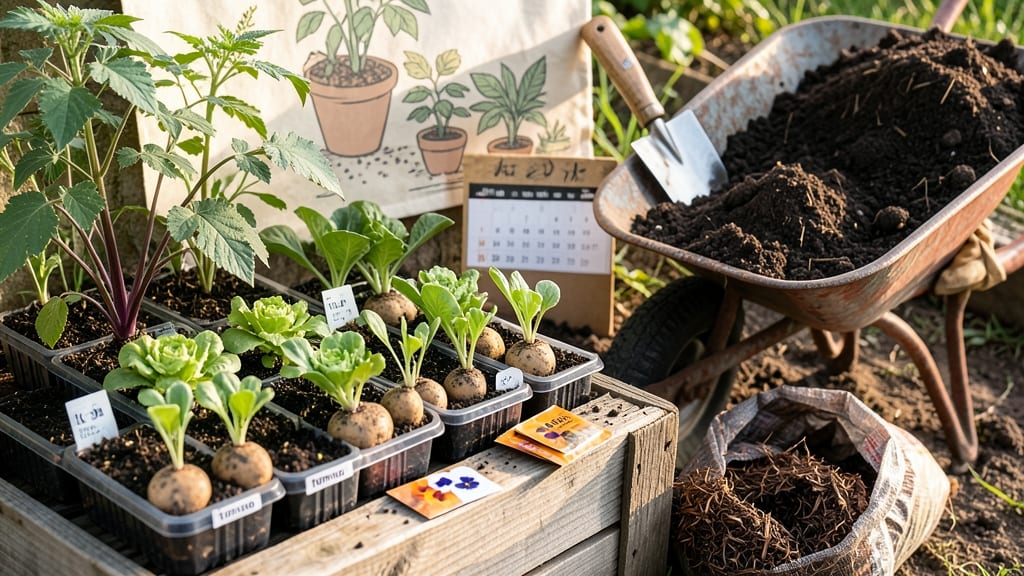
Timing your garden planting in New Brunswick can make or break your harvest—get it wrong, and you risk losing everything to a surprise frost. The province’s 5b climate means short growing seasons, so knowing exactly when to plant your 🌱 General Garden Plants is everything.
Most gardeners in New Brunswick wait until mid-May after the last frost (around May 15) to start planting warm-season crops like tomatoes and peppers. But cool-season veggies like spinach and kale can go in as early as April, giving you a head start before summer heat arrives.
If you’re planning a fall garden, August and September are your best months—just make sure to choose fast-maturing varieties to beat the first frost in early October. The key is balancing soil temperature, frost dates, and your plants’ needs.
I’ll break down the best planting windows for your region, plus tips to extend your season with row covers and cold-hardy picks. Ready to grow a thriving garden? Let’s get started.
New Brunswick frost-free dates by region: when to plant cool-season vs warm-season vegetables
New Brunswick’s planting schedule hinges on frost-free dates, which vary by region. Fredericton typically sees its last frost around May 15, while coastal areas like Saint John may warm up 1-2 weeks earlier.
These dates determine whether you plant cool-season crops like spinach or warm-season crops like tomatoes.
For Fredericton (USDA Zone 5b), the average last frost is May 15, but coastal regions like Saint John and Moncton (Zone 5a) often see frost-free conditions by May 1-10. Always verify local forecasts, as late frosts can still occur in May.
Warm-season crops like tomatoes, peppers, and cucumbers need soil temperatures above 10°C (50°F) and should be planted 2-3 weeks after the last frost date. Cool-season crops like lettuce, kale, and peas can often tolerate light frosts and can be planted 4-6 weeks before the last frost.
Here’s a quick reference for key planting windows across New Brunswick’s regions:
| Region | Last Frost Date | Warm-Season Planting Window | Cool-Season Planting Window |
|---|---|---|---|
| Fredericton | May 15 | May 25–June 10 | April 1–May 10 |
| Saint John | May 1–5 | May 15–25 | March 20–April 15 |
| Moncton | May 5–10 | May 20–June 1 | April 1–May 5 |
| Coastal Areas | April 25–May 5 | May 10–20 | March 15–April 10 |
If you’re growing tomatoes or peppers, start seeds indoors in March and transplant after the last frost. For cool-season crops, sow seeds directly into the garden as early as March in coastal areas or April in Fredericton.
Always monitor soil temperatures—use a soil thermometer to ensure they’re above 10°C (50°F) for warm-season crops. Coastal areas warm up faster, so you can plant earlier there than in inland regions.
For fall planting, aim to sow cool-season crops like spinach or kale by August 1 to harvest before the first frost in October. This gives plants enough time to mature before winter sets in.
New Brunswick’s short growing season means timing is everything. By following these regional guidelines, you’ll maximize your garden’s potential and avoid common pitfalls like late frosts or overly short harvest windows.
Pro tip: Use row covers or cold frames to extend your planting season by 2-4 weeks in spring or fall. This is especially useful in Zone 5b, where frosts can linger longer.
How to adjust planting times for New Brunswick’s microclimates and soil conditions
New Brunswick’s diverse climate zones mean frost dates and soil conditions vary dramatically—even between Fredericton and Saint John. Coastal areas like Saint John often see slightly warmer springs, while inland regions like Fredericton experience earlier frosts. Adjust your planting schedule by 2-3 weeks depending on your location and elevation.
For example, cool-season crops like spinach and peas can go in as early as late March in coastal areas, but wait until mid-April in Fredericton. Use a soil thermometer to confirm temperatures are above 10°C (50°F) before planting warm-season crops like tomatoes and peppers.
Another key factor is soil acidity. New Brunswick’s soils are often acidic (pH 4.5-5.5), which suits blueberries and rhododendrons but may stunt vegetables like tomatoes. Test your soil in early spring and amend with lime (for veggies) or sulfur (for acid-loving plants) as needed.
- 1. Extend your season with row covers or cold frames—these can push planting dates 2-4 weeks earlier in spring or 3-5 weeks later in fall.
- 2. Choose cold-hardy varieties like kale, broccoli, and radishes for early spring or late fall planting—they tolerate light frosts (-2°C to -5°C).
- 3. Plant in raised beds to warm soil faster in spring. Fill with compost-rich mix to improve drainage and fertility in heavy clay soils common in New Brunswick.
- 4. Use mulch (straw or shredded leaves) to insulate roots from late spring frosts and retain moisture during dry summers.
- 5. Monitor local frost advisories via Environment Canada or your municipal agricultural extension—they often provide weekly updates on safe planting windows.
If you’re in a cooler microclimate (e.g., higher elevations near Gagetown), start warm-season crops indoors in late March and transplant after the last frost. For coastal areas, you might even squeeze in a second planting of quick-maturing crops like bush beans or zucchini in early July.
Don’t overlook perennials like asparagus or rhubarb—they thrive in New Brunswick’s climate but need 2-3 years to establish. Plant crowns in early spring (April) for best results, and mulch heavily to protect roots during winter.
Pro tip: Keep a gardening journal to track your local frost dates and soil conditions year after year. Over time, you’ll refine your planting schedule to match your unique microclimate—leading to bigger harvests and fewer surprises. 🌱