
Planting
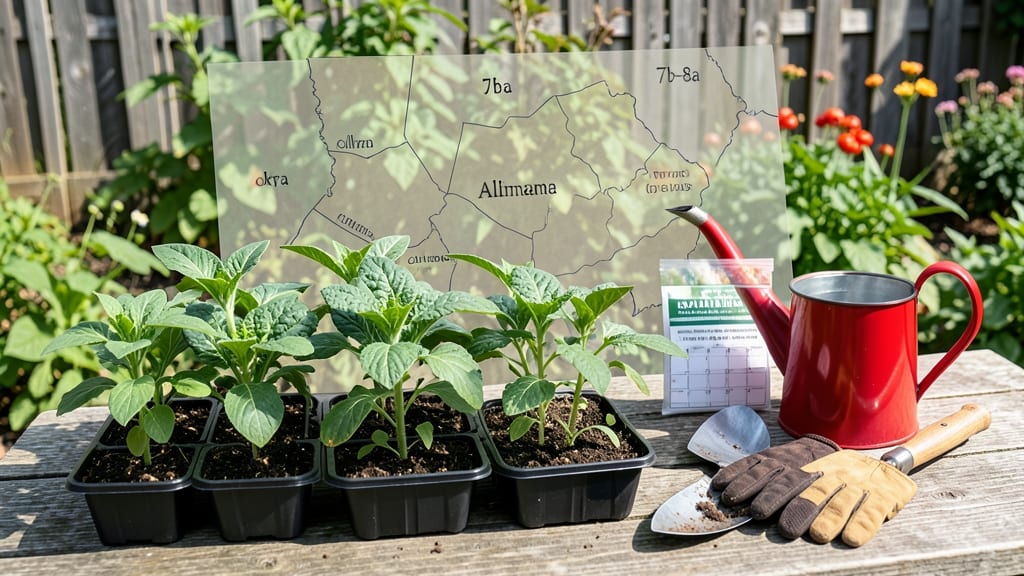
Knowing when to plant a garden in Alabama can mean the difference between a bumper crop and a sad, wilted disappointment. With frost dates that shift from mid-March to November depending on your zone, timing isn’t just important—it’s everything.
Whether you’re dreaming of juicy tomatoes or vibrant azaleas, getting it right ensures your plants thrive from the start.
Alabama’s USDA zones 7a-8b create unique challenges, from cooler northern regions to warmer southern areas. The key is understanding your local frost patterns and adjusting planting schedules accordingly.
For example, cool-season crops like lettuce and broccoli need to go in the ground 4-6 weeks before the last frost, while warm-season favorites like peppers and squash should wait until 2-3 weeks after.
But here’s the good news: with the right strategy, you can stretch your growing season and enjoy fresh produce nearly year-round. I’ll break down the exact planting windows for your zone, plus tips for handling Alabama’s unpredictable weather—so you can finally stop guessing and start growing with confidence.
Ready to transform your garden into a thriving oasis? Let’s dive into the zone-specific dates and tricks that will make this your most successful planting season yet.
Alabama planting calendar by USDA zone: exact dates for warm-season crops
Alabama’s USDA zones 7a-8b create a unique gardening puzzle—where tomatoes in North Alabama (zone 7a) need to wait until mid-April, but South Alabama (zone 8b) can plant peppers as early as mid-March.
The key? Knowing your last frost date (typically March 15 in the north, February 28 in the south) and adjusting for heat-sensitive crops like squash and beans.
Warm-season crops—those that thrive in 70°F+ soil—should never go in before the ground warms. Use a soil thermometer to confirm 60°F+ before planting tomatoes or eggplants. In zone 7a, wait until April 15; in zone 8b, you can start as early as March 1.
Here’s your zone-by-zone breakdown for warm-season planting, including transplanting windows and fall replanting opportunities. Pro tip: Southern Alabama can squeeze in a second planting of okra or sweet potatoes as late as July 1.
| USDA Zone | Last Frost Date | Warm-Season Planting Window | Fall Replanting Window | Key Crops |
|---|---|---|---|---|
| 7a (North AL) | March 15 | April 15–May 15 | August 1–September 1 | Tomatoes, Peppers, Okra |
| 7b (Central AL) | March 1 | April 1–April 30 | July 15–August 15 | Squash, Eggplants, Peanuts |
| 8a (South AL) | February 28 | March 15–April 15 | June 15–July 15 | Sweet Potatoes, Corn, Peppers |
| 8b (Southwest AL) | February 15 | February 28–March 31 | May 15–June 15 | Okra, Melons, Peanuts |
For cool-season crops like lettuce or broccoli, the rule flips: plant 4-6 weeks before your last frost. In zone 7a, that’s February 1; in zone 8b, you can start as late as January 15.
These crops tolerate light frosts (28°F), but heavy freezes (20°F) will kill them—so use row covers if early spring brings unexpected cold snaps.
Alabama’s fall planting window is often overlooked but critical for winter greens like kale and spinach. Seed these August–September in zone 7a or July–August in zone 8b. By October 1, they’ll be established enough to handle light frosts and even snow in some areas.
Pro move: Start warm-season seeds indoors (under grow lights) 6-8 weeks before your last frost. This gives tomato or pepper seedlings a head start. Harden them off 1 week before transplanting—critical for heat-loving plants that bolt (flower prematurely) if stressed.
Don’t forget Alabama’s unique crops: Peanuts need 120+ frost-free days, so plant them late April–May in zone 7a or March–April in zone 8b. Sweet potatoes, another Southern staple, thrive when planted after Memorial Day—their long vines
How to adjust planting times for Alabama’s microclimates and soil conditions
Alabama’s diverse landscapes—from the Appalachian foothills in the north to the Gulf Coast plains in the south—create microclimates that can shift planting windows by weeks. For example, Huntsville (Zone 7a) may still see frost in late April, while Mobile (Zone 8b) could safely plant tomatoes by early March.
Understanding these variations helps you extend growing seasons and avoid costly mistakes.
Soil type also plays a critical role. Alabama’s clay-heavy soils in the Black Belt region drain poorly, while sandy soils near the coast dry out quickly. Amending soil with compost or peat moss can improve drainage or water retention, respectively.
For instance, broccoli thrives in well-draining soil, while sweet potatoes love loose, sandy loam. Test your soil’s pH and organic matter before planting—ideal levels for most vegetables are 6.0–7.0.
🌱
If you’re gardening in North Alabama, prioritize heat-tolerant varieties like Okra or Southern peas, which handle the state’s long, hot summers better than traditional tomatoes. Meanwhile, coastal gardeners can push the limits by planting winter greens like collards year-round, thanks to milder temperatures.
Always check the Alabama Cooperative Extension System for localized advice—their frost-free date maps are updated annually.
Don’t let summer heatwaves derail your garden. Use shade cloth for delicate plants like cucumbers or squash, and water deeply in the early morning to prevent stress.
For container gardens, opt for self-watering pots to maintain consistent moisture during dry spells. With these adjustments, you’ll maximize your Alabama garden’s potential—no matter where you’re planting.
☀️