
Plants
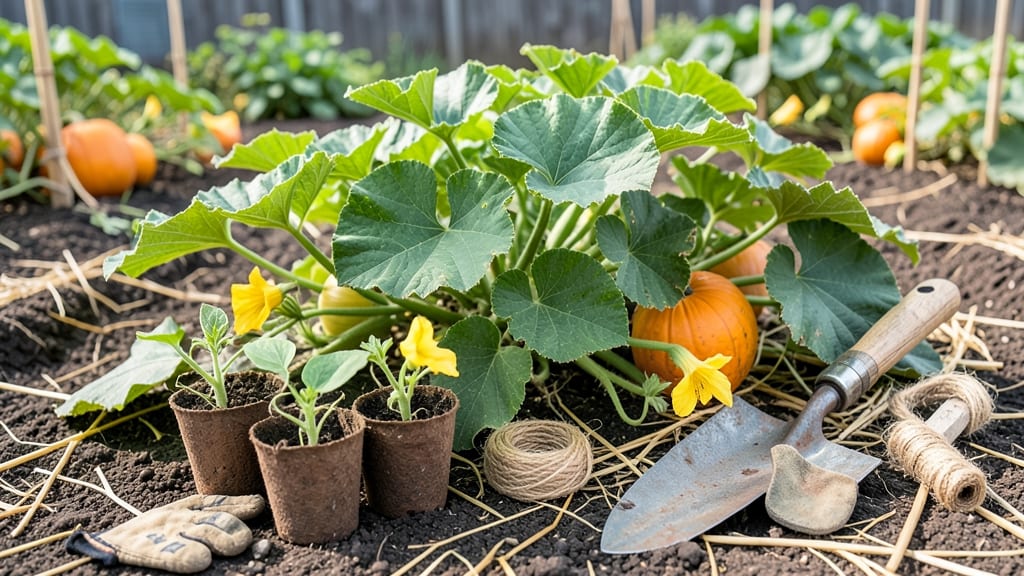
Planting pumpkins in Ohio at the wrong time can mean the difference between a bumper crop and a total loss—especially when frost sneaks in unexpectedly. With USDA Zone 6a conditions and Ohio’s notorious spring whiplash, timing is everything. Whether you’re a first-time gardener or a seasoned grower, getting those seeds in the ground after the last frost (typically around April 15) is critical for success.
But here’s the catch: Ohio’s frost-free window is tight, and planting too early risks frost damage, while waiting too late cuts your growing season short. I’ll break down the exact mid-April to mid-May window that works best for Ohio’s climate, plus how to adjust for your specific county.
No more guessing—just proven strategies to ensure your 🎃 thrives from seed to harvest.
You’ll also discover which pumpkin varieties handle Ohio’s short season best, how to protect seedlings from late frosts, and spacing tips to maximize your yield. Let’s make sure your pumpkins grow big, strong, and ready for harvest by late September—without any frost-related surprises.
Ready to avoid the most common planting mistakes? I’ll walk you through everything you need to know, so you can enjoy a successful harvest and maybe even some homegrown pumpkin pie by fall. Let’s get those seeds in the ground the right way!
Ohio’s frost-free zones & ideal pumpkin planting windows by county
Ohio’s diverse climate—from the chilly Appalachian foothills to the warmer Lake Erie shoreline—means last frost dates can vary by 2-3 weeks across counties. For pumpkins, this translates to a 60-75 day window to plant before your first hard frost, typically in mid-October.
I’ve broken down Ohio’s USDA Zones 5b-6a into three key regions to help you pinpoint the perfect planting window for your location.
Northern Ohio (Zones 5b-6a), including counties like Ashtabula, Cuyahoga, and Geauga, has the latest frost dates—often May 15-June 1. Southern Ohio (Zones 6a), like Fayette, Scioto, and Adams, can plant as early as March 15-April 1 for early varieties.
Even within these zones, microclimates near lakes or valleys can shift your planting window by 10 days or more.
Here’s the critical rule: Wait until soil temperatures hit 60°F+ and nighttime temps stay above 50°F. Cold soil slows germination, and frost will kill young seedlings. I recommend using a soil thermometer for accuracy—especially in northern Ohio, where late frosts are common.
For direct sowing (planting seeds outdoors), aim for 2-4 weeks after your last frost date. If you’re transplanting seedlings, start them indoors 3-4 weeks before your target outdoor planting date. Seedlings need 12-14 hours of light daily to avoid leggy growth.
Ohio’s frost-free season typically spans 150-180 days, but pumpkins need 75-120 days to mature. This means you’ll need to choose varieties that align with your county’s frost window. For example, ‘Jack Be Little’ (75 days) works in northern Ohio, while ‘Howden’ (110 days) thrives in southern Ohio.
| Region | Last Frost Date | Ideal Planting Window | Recommended Varieties |
|---|---|---|---|
| Northern Ohio (Zones 5b-6a) | May 15 - June 1 | June 1 - June 15 | Jack Be Little (75 days), Spooktacular (80 days) |
| Central Ohio (Zones 6a) | April 15 - May 1 | April 20 - May 15 | Howden (110 days), Cinderella (90 days) |
| Southern Ohio (Zones 6a) | March 15 - April 1 | March 20 - April 15 | Small Sugar (90 days), Connecticut Field (100 days) |
If you’re in Zone 5b (e.g., Lorain, Medina), I recommend starting with fast-maturing varieties like ‘Spooktacular’ to hedge against late frosts. For Zone 6a (e.g., Franklin, Hamilton), you can push the envelope with slightly longer-season varieties like ‘Cinderella’ or ‘Autumn Gold’ (95 days).
Always check your local cooperative extension office for hyper-local frost data—it’s the best way to fine-tune your planting schedule.
Pro tip: Use black plastic mulch to warm soil faster in northern Ohio. This can shave 10-14 days off your planting timeline by raising soil temps by 5-10°F. Just lay it down 1-2 weeks before planting to let it heat up.
For container growing, stick to bush varieties like ‘Jack Be Little’ and plant in 5-gallon pots or larger. Containers warm up faster than soil, so you can plant 1-2 weeks earlier than in-ground plantings. Just ensure pots have drainage holes to prevent root rot.
Ohio’s first frost typically arrives between October 10-20, so plan to harvest by mid-October in most regions. If you’re growing pie pumpkins or carving varieties, aim for 90-100 day varieties to ensure they’re fully mature before frost.
Don’t forget to harden off seedlings for 7-10 days before transplanting—this toughens them up for Ohio’s unpredictable spring weather.
How to adjust planting dates for Ohio’s microclimates & frost risks
Ohio’s microclimates can vary dramatically even within a single county, making frost risks unpredictable. For example, northern Ohio (like Ashtabula or Trumbull counties) often sees frost until May 10–15, while southern Ohio (such as Adams or Brown counties) may be frost-free by April 20.
To hedge your bets, I recommend using row covers or transplanting seedlings instead of direct sowing if you’re in a high-risk zone.
If you’re planting in early April, opt for fast-maturing varieties like ‘Jack Be Little’ (75 days to maturity) and use black plastic mulch to warm the soil.
For late April plantings, standard varieties like ‘Howden’ (90 days) will still have time to mature before Ohio’s first frost in mid-October. The key is flexibility—adjust based on your local frost history and soil temperature.
Ohio’s late spring frosts (even in May) can wipe out young seedlings. If your area has a history of unpredictable frosts, start seeds indoors 2–3 weeks before your target outdoor date. Harden off seedlings for 7–10 days before transplanting to avoid shock.
Pro Tip: Monitor the National Weather Service’s frost advisories for your county. A 32°F night can kill seedlings overnight—don’t skip this step!
Another trick I’ve used is transplanting seedlings instead of direct sowing. Start seeds indoors in late March (under grow lights) and move them outside after the last frost.
This gives you a 2-week head start and reduces the risk of frost damage. Just be sure to acclimate seedlings gradually to outdoor conditions to avoid transplant shock.
For gardeners in high-altitude areas (like Geauga or Portage counties), consider extending the season with a cold frame or hoop house. These structures can add 2–4 weeks to your growing season, giving late-planted pumpkins extra time to mature.
I’ve seen gardeners in these areas push their harvest into early November using this method.
Finally, spacing and companion planting can help mitigate frost risks. Plant pumpkins near bush beans or radishes to improve soil health and deter pests. Space vines 4–6 feet apart to allow airflow, reducing the chance of fungal diseases that thrive in damp, cold conditions.
A well-spaced patch also makes it easier to cover individual plants if frost is forecasted.
Ohio’s 165-day frost-free window is tight, but with these adjustments, you can maximize your pumpkin yield even in the most unpredictable years. The difference between a failed crop and a bountiful harvest often comes down to these small but critical timing tweaks. Don’t let frost ruin your hard work—plan ahead!