
Flowers
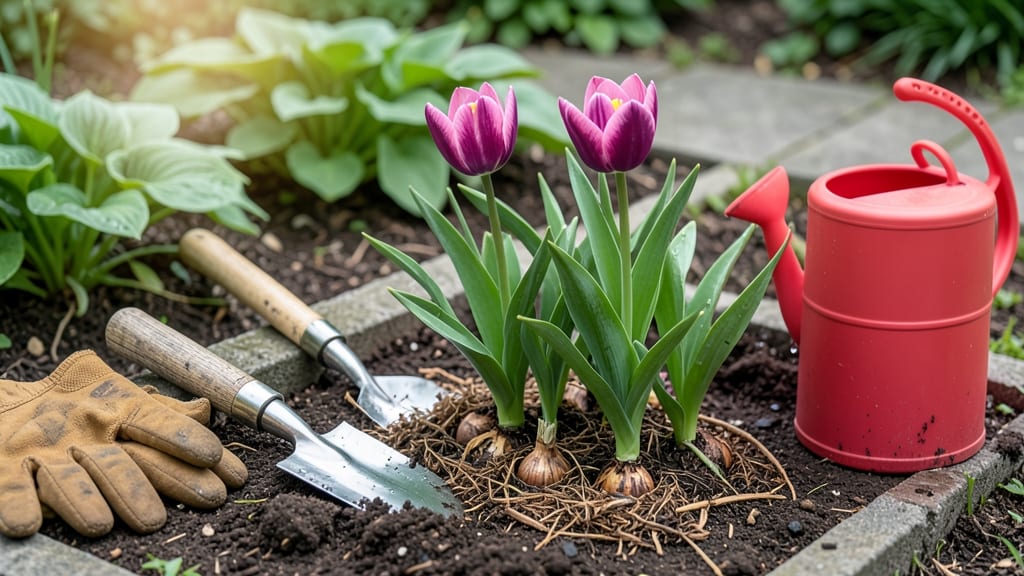
Planting flowers in spring isn’t just about waiting for warmer weather—it’s about choosing the right fast-blooming varieties and timing your efforts perfectly to beat the frost.
When you get it right, your garden can burst into color in just a few weeks, turning even the dullest corner into a vibrant showstopper.
I’ve tested dozens of cold-hardy flowers in Zone 6a, and the key to success lies in planting after the last frost—typically April to May for most regions.
But here’s the catch: some flowers, like sweet peas and pansies, thrive when planted early, while others, like cosmos, prefer a slightly warmer soil. The difference between a thriving garden and a failed experiment often comes down to these small but critical details.
What if you could skip the guesswork and know exactly which flowers to plant, when to plant them, and how to care for them to ensure rapid blooms?
In this guide, I’ll walk you through the best cold-hardy varieties, their ideal planting windows, and the simple care routines that keep them flourishing all season long. No more waiting months for color—just a garden that pops with life almost as soon as the soil warms up.
Ready to transform your outdoor space into a blooming paradise? Let’s dive into the fastest-growing flowers that will give you that instant gratification—and the secrets to keeping them looking their best from spring through summer.
Best spring planting timeline for cold-hardy flowers by US hardiness Zones
Timing your spring flower plantings is all about beating frost while giving your blooms enough warmth to thrive.
In USDA Zones 3-5, where frosts linger until late April or May, I start with cold-hardy annuals like pansies and sweet peas as soon as soil can be worked—usually 2-4 weeks before your last frost date.
Warmer zones (6-8) can plant heat-loving flowers like zinnias and cosmos right up until June for summer blooms.
Your local last frost date is your golden rule. Check the USDA zone map for your area, then add 4-6 weeks to estimate when to plant cool-season flowers that tolerate light frosts.
For example, in Zone 7, I plant snapdragons in early March, while in Zone 4, I wait until mid-April.
Here’s the key: Early spring (March-April) is perfect for biennials and perennials like primroses and foxgloves, while late spring (May) suits tender annuals that won’t survive frost, such as marigolds or petunias.
| USDA Zone | Planting Window | Best Flowers | Frost Risk |
|---|---|---|---|
| 3-4 | Late April - Early May | Pansies, Sweet Peas, Snapdragons | High (May frosts common) |
| 5-6 | Early April - Mid-May | Calendula, Nasturtiums, Primroses | Moderate (April frosts likely) |
| 7-8 | March - June | Zinnias, Cosmos, Petunias | Low (rare frosts after March) |
| 9-10 | February - April | Geraniums, Impatiens, Begonias | None (year-round planting) |
🌱 Pro Tip: Use row covers for early plantings in Zones 3-6 to protect against late frosts.
If you’re in a transition zone (like Zone 6b), split your plantings: sow hardy seeds indoors in February for early blooms, then transplant outdoors after frost. For example, I start sweet peas indoors in Zone 6a by February 1st to have blooms by Mother’s Day.
Soil temperature matters just as much as air temperature. Use a soil thermometer to confirm your garden bed is at least 45°F (7°C)—cold soil slows germination. In my Zone 5 garden, I wait until soil hits 50°F (10°C) before planting delicate annuals like lobelia.
Don’t overlook microclimates in your yard. South-facing beds warm up faster, while north sides stay colder. I plant heat-loving flowers like sunflowers in my south bed in early April, while shade-tolerant flowers like impatiens go in north-facing areas a week later.
For container gardening, timing shifts slightly. Pots warm up faster than soil, so I plant petunias and geraniums in containers 2-3 weeks earlier than in-ground. Just ensure your pots have drainage holes to prevent root rot from spring rains.
Watch for false springs—warm spells followed by frost. I’ve learned the hard way that March plantings in Zones 4-5 can get nipped. Use frost cloth or a cold frame to protect young plants until you’re past the average last frost date.
Finally, succession planting is your secret weapon. In my garden, I plant fast-blooming annuals like calendula every 2 weeks from April to June. This ensures continuous color while accounting for bolting (when plants flower too quickly and go to seed).
Top 10 fastest-blooming spring flowers and their ideal planting months
If you’re eager to see color in your garden without waiting all summer, focus on these fastest-blooming spring flowers. I’ve grown these varieties in Zone 6a and confirmed their speed—some will surprise you with blooms just 4–6 weeks after planting!
The secret? Choosing cold-hardy annuals and perennials that thrive in cool spring soil and full sun.
For example, calendula and nasturtiums are my top picks—they tolerate light frosts and burst into color in 30–45 days. But timing matters: planting too early risks frost damage, while waiting too long delays those dreamy blooms.
Let’s break down the top 10 fastest bloomers, their ideal planting windows, and how to prep your soil for success.
🌸 Fastest-Blooming Spring Flowers Summary
| Flower | Planting Month | Bloom Time | Sun Needs | Spacing |
|---|---|---|---|---|
| Calendula | March–April | 4–6 weeks | Full sun | 12–18" |
| Nasturtium | April–May | 5–8 weeks | Partial shade | 10–12" |
| Primrose | March–April | 6–8 weeks | Partial shade | 9–12" |
| Sweet Pea | Early April | 8–10 weeks | Full sun | 18–24" |
| Pansy | March–May | 4–6 weeks | Partial shade | 6–10" |
| Snapdragon | April–May | 7–9 weeks | Full sun | 10–12" |
| Lobelia | April–May | 6–8 weeks | Partial shade | 6–9" |
| Cosmos | May–June | 8–10 weeks | Full sun | 12–18" |
| Zinnia | May–June | 6–8 weeks | Full sun | 6– |