
Plants
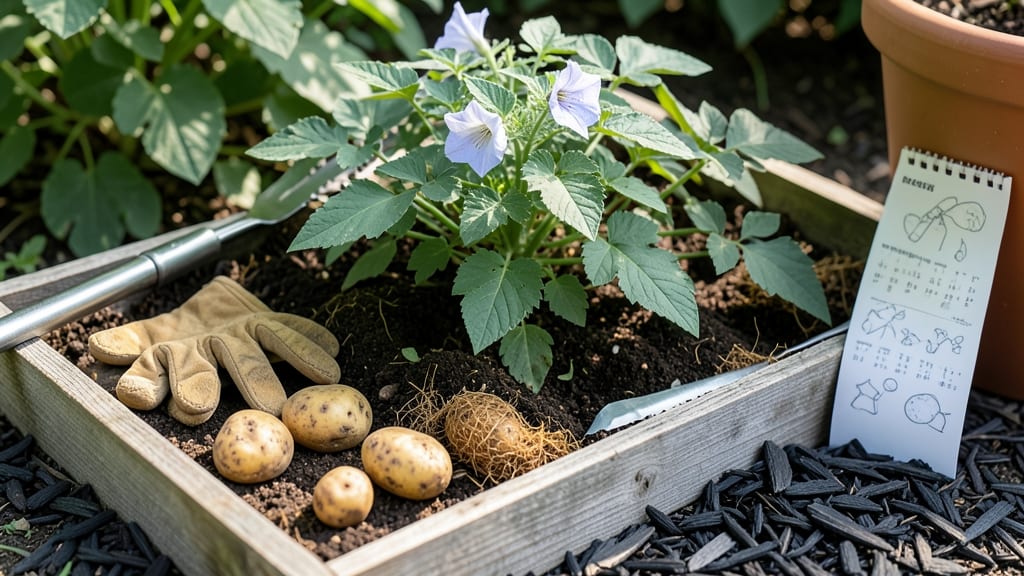
Planting potatoes in Iowa isn’t just about digging a hole—it’s about catching that perfect window between frost and peak growing season. Get the timing wrong, and you’ll either lose your crop to late frosts or miss out on a harvest before the first chill arrives.
Iowa’s USDA Zone 5a-5b climate means gardeners must work with a tight schedule, especially when 🥔 varieties range from early maturers to late-season performers. The key? Planting between mid-April and early May—after the last frost but before the soil gets too warm.
But what if spring decides to throw a curveball with unexpected cold snaps?
In this guide, I’ll break down the exact planting timeline, soil temperature tricks, and how to pick the right potato varieties for Iowa’s short but productive season. You’ll learn how to adjust for frost risk, extend your growing window, and ensure a harvest that’s frost-free and full of spuds.
Whether you’re a first-time gardener or a veteran with a few failed attempts under your belt, these insights will help you plan like a pro. Let’s turn your potato patch into a zero-frost success story.
Iowa’s ideal potato planting window by USDA Zone 5 (with frost-free guarantees)
Iowa’s USDA Zone 5 climate demands precise potato planting timing to avoid frost damage while maximizing yields. The last average frost date in most of Iowa falls around April 15, but this varies yearly—some areas see frost as late as May 1.
Planting too early risks killing tender sprouts, while waiting too long cuts harvest season short.
For zero-frost-risk harvests, aim to plant seed potatoes 4-6 weeks before your local last frost date. In Iowa, this typically means mid-April to early May. Soil temperature is the real key—wait until the ground reaches at least 45°F (7°C) at 4-inch depth for optimal sprouting and tuber formation.
Iowa State University recommends using early-maturing varieties (90-day harvest) for northern Iowa and mid-season varieties (110-day harvest) for southern regions. This accounts for the 140 frost-free days typical in Iowa’s growing season, ensuring tubers mature before fall frosts strike around October 15.
🌱Pro Tip: Use a soil thermometer to confirm readiness—planting when soil hits 50°F (10°C) guarantees faster emergence and stronger plants.
📋 Iowa Potato Planting Timeline by USDA Zone 5
| Stage | Action | Iowa Timeline |
|---|---|---|
| Prep Soil | Test pH (5.8-6.5), add compost | Late March |
| Chit Seed Potatoes | Expose to light for sprouts | Early April |
| Plant | 4" deep, 12" apart | Mid-April to early May |
| Emergence | Sprouts appear in 2-3 weeks | Late April to early May |
| Hilling | Mound soil every 2 weeks | May to June |
| Harvest | New potatoes: 60 days; Full crop: 90-120 days | July to early September |
🌡️ Key: Adjust dates 1-2 weeks earlier for southern Iowa or later for northern areas.
Northern Iowa’s shorter growing season (e.g., Zone 5a) favors early varieties like ‘Red LaSoda’ (80 days), while southern Iowa’s longer season (Zone 5b) can handle mid-season types like ‘Kennebec’ (110 days). Always check your local frost dates via the Iowa Environmental Mesonet for precision.
💡Why This Matters: Planting at 50°F soil (not air temp) ensures 90% emergence rates—cold soil delays sprouting by weeks. Use black plastic mulch to warm soil faster in chilly springs.
For extended harvests, consider a second planting of fast varieties (e.g., ‘Early Rose’) in early June. This gives you new potatoes in August before fall frosts. Just ensure your soil stays consistently moist—Iowa’s dry spells can stress potatoes mid-season.
🌿Common Mistake: Many Iowans plant too late because they wait for air temperatures to warm, not soil temps. Air can be 60°F while soil remains 40°F—this delays growth by 3+ weeks.
To track progress, mark your last frost date on a calendar and count backward. Add 2 weeks for soil warming if your spring is slow. For frost-prone years, use row covers to protect young plants until they’re 6 inches tall.
🌱Final Tip: Plant certified disease-free seed potatoes from reputable suppliers like Johnny’s Selected Seeds or Iowa State University’s Extension Store to avoid blight—a major threat in Iowa’s humid summers.
How to adjust planting dates for Iowa’s unpredictable spring weather (pro tips)
Iowa’s spring weather is famously fickle—one day 60°F sunshine, the next a 28°F frost. To protect your potato crop, I’ve learned to play it smart with flexible planting strategies. The key is adapting to Iowa’s USDA Zone 5 quirks: late frosts, soil warming delays, and sudden temperature swings. Here’s how I adjust my planting dates to outsmart Mother Nature. First, I always check the Iowa State University’s Frost Probability Tool (available online) to pinpoint my local last-frost date. This year, it predicted April 22 for my area—two weeks later than the historical average. Knowing this, I delayed my planting by a week to avoid frost damage. If you’re in northern Iowa, add 7–10 extra days of cushion to your timeline. For southern Iowa, you might shave off 3–5 days, but never skip soil temperature checks.Pro Tip: Set up a frost alert system using the National Weather Service’s Iowa forecasts or a local garden club’s text alerts. I’ve used these to cover my plants just in time during those 30°F May mornings that catch everyone off guard.
A little preparation goes a long way in Iowa’s unpredictable climate.
Finally, don’t forget that harvest timing also adjusts with planting dates. If you plant late, expect a shorter harvest window—prioritize early-maturing varieties (like ‘Red Pontiac’) to ensure you get any tubers at all. With these strategies, you’ll turn Iowa’s weather chaos into a potato-growing advantage—not a liability.