
Plants
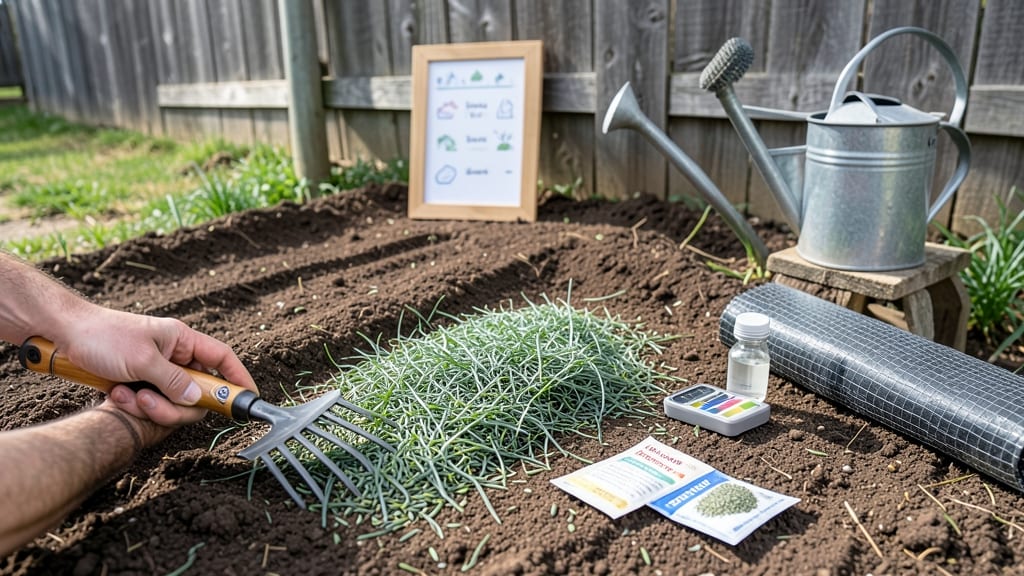
If you’ve ever stared at a patchy lawn and wondered when is the best time to plant grass seed in Indiana, the answer might be simpler than you think—it’s all about timing.
Planting grass seed at the wrong moment can turn your hard work into a battle against weeds and drought, while getting it right means a thick, green carpet that survives Indiana’s 6a climate swings.
The best time to plant grass seed in Indiana isn’t just a guess—it’s science. Whether you’re seeding in early spring (March–April) or early fall (September–October), the key is avoiding the brutal summer heat or the frozen ground of winter.
I’ll break down exactly why these windows work and how to prep your soil for maximum success.
Let’s cut through the confusion. You’ll learn how to read Indiana’s microclimates (yes, northern and southern parts behave differently), when to water without drowning your seeds, and the one mistake that ruins 80% of lawns.
By the end, you’ll know exactly when to grab that seed bag and how to give your lawn the fighting chance it deserves.
Ready to transform your yard from “meh” to “wow”? The secret starts with the calendar—and I’ve got the timeline you need to nail it.
Indiana’s ideal grass planting windows: spring vs fall timing guide
Indiana’s climate—with its hot summers and cold winters—demands precise timing for grass seed success. Planting too early risks frost damage, while late planting leaves grass vulnerable to summer heat stress.
The perfect windows are late April to early June for spring and September to mid-October for fall, when soil temperatures hover between 60-70°F and rainfall is reliable.
Cool-season grasses like tall fescue and Kentucky bluegrass dominate Indiana lawns, thriving in these moderate temperatures. Warm-season grasses like Bermuda or Zoysia (less common here) prefer late spring planting. The key is avoiding extreme heat or frost, which can stall germination or kill seedlings.
Soil temperature is your best guide—use a soil thermometer to confirm readiness. In northern Indiana (Zone 5), aim for May 1-June 15 in spring and September 1-October 10 in fall. Southern Indiana (Zone 6) can plant 1-2 weeks earlier in both seasons.
| Planting Window | Ideal Months | Soil Temp | Key Considerations |
|---|---|---|---|
| Spring Planting | Late April–Early June | 60–70°F | Avoid frost risk; water deeply as temps rise |
| Fall Planting | September–Mid-October | 60–70°F | Grass establishes roots before winter; less weed competition |
| Northern IN (Zone 5) | May 1–June 15 / Sep 1–Oct 10 | 60–70°F | Later planting due to cooler soil; monitor frost dates |
| Southern IN (Zone 6) | April 15–June 1 / Aug 20–Oct 15 | 60–70°F | Warmer soil allows earlier planting; watch for summer heat |
Fall planting often yields thicker, healthier grass because seedlings establish roots before winter dormancy. Spring planting requires vigilant watering as summer heat arrives. Check Indiana’s 10-day forecast for stable temperatures—avoid planting during heatwaves or rain delays.
For northern Indiana, prioritize late spring planting to escape frost. Southern Indiana’s milder winters allow extended fall windows—even into early November if soil stays warm. Always test soil moisture: it should be damp but not soggy at planting time.
Pro tip: Overseed in fall for existing lawns—cool temperatures reduce stress on grass. Use a starter fertilizer with phosphorus to boost root growth. Water lightly twice daily for the first 2 weeks to keep soil consistently moist.
Indiana’s microclimates matter—urban areas may stay warmer than rural spots. Adjust your timeline by 1-2 weeks based on local conditions. If you miss the ideal window, wait for the next season—rushing leads to poor germination.
Remember: Grass seed needs 4-6 weeks to establish roots. Planting at the right time ensures your lawn outperforms weeds and survives Indiana’s unpredictable weather. Track your local last frost date (typically April 15) and first frost date (October 15) for reference.
Critical factors that determine success: soil, weather, and seed selection
When you’re ready to plant grass seed in Indiana, the soil temperature is your first clue. Aim for 60–70°F—any cooler, and seeds may rot; too warm, and they’ll dry out before sprouting.
I check soil temps with a simple soil thermometer (or dig 2 inches deep—if it feels warm to your touch, it’s likely ready).
Indiana’s heavy clay soils in the north (like zone 5) need extra prep. Work in compost or sand to improve drainage, while southern Indiana’s loamy soils (zone 6) may just need a light tilling. A quick pH test (ideal: 6.0–7.5) ensures your grass gets the nutrients it craves.
🌱 Key Takeaway
Indiana’s weather patterns can shift faster than a summer storm. I always monitor the 10-day forecast before planting—avoid seeding if rain is predicted within 48 hours (seeds can rot) or if temps will dip below 50°F at night (slows germination).
For fall planting, aim for September–mid-October to let grass establish before winter.
Choosing the right grass seed is non-negotiable. Indiana’s cool-season grasses (like Kentucky Bluegrass or Tall Fescue) thrive in our climate, while warm-season grasses (like Bermuda) struggle with our winters. I opt for mixed seed blends for resilience—especially in northern Indiana where winters are harsher.
Don’t skip the pre-planting