
Plants
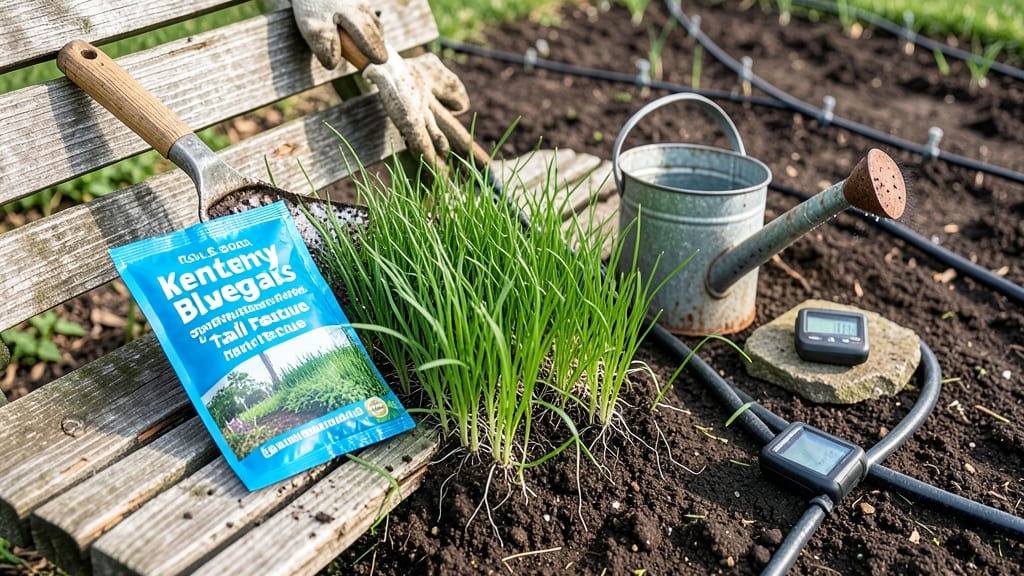
Timing your spring grass planting perfectly can mean the difference between a lush, green lawn by summer and months of patchy, slow growth.
The best time to plant grass in the spring depends on soil temperatures, local climate, and even the type of grass you choose—get it wrong, and you might be fighting weeds instead of enjoying your yard.
For most of us in USDA Zone 6, the ideal window opens 4-6 weeks after the last frost, when soil temperatures consistently hit 50-65°F. This ensures your 🌱 Grass (Turfgrass) seeds germinate quickly and establish strong roots before summer heat sets in.
But here's the catch: cool-season grasses like Kentucky Bluegrass need those cooler temps, while warm-season varieties like Bermuda prefer warmer soil—planting too early or late can throw off the whole process.
I’ve seen firsthand how a few weeks can make or break a lawn project. Whether you're seeding a new yard or overseeding an old one, knowing the exact timing—and how to prep your soil—is the fastest way to guarantee success.
Let’s break down the science, regional adjustments, and pro tips to help you plant at the best possible moment for your climate.
Ready to skip the guesswork? You’ll learn how to check soil temps, adjust for your specific zone, and avoid common mistakes that leave lawns looking sad instead of spectacular. Let’s get that grass growing the right way.
Ideal soil temperature ranges for fast grass germination in spring
Timing your spring grass planting isn’t just about the calendar—it’s all about soil temperature. Grass seeds need specific warmth to germinate quickly, and planting too early or late can stall growth or invite weeds.
For cool-season grasses like Kentucky Bluegrass or Fescue, aim for soil temps between 40-55°F, while warm-season grasses such as Bermuda or Zoysia thrive when soil hits 65-75°F.
Why does temperature matter so much? Grass seeds rely on microbial activity in the soil to break down their outer layers and sprout.
If it’s too cold, germination slows to a crawl; if it’s too hot, seeds can dry out before they even start. Testing your soil temperature is the secret weapon here—it’s faster and more accurate than guessing by the weather forecast.
| Grass Type | Ideal Soil Temp | Best Planting Window | Regional Adjustment |
|---|---|---|---|
| Cool-Season (Kentucky Bluegrass, Fescue) | 40-55°F | Early spring (March-April) | Northern zones (3-6): Wait until after last frost |
| Warm-Season (Bermuda, Zoysia) | 65-75°F | Late spring (May-June) | Southern zones (7-10): Avoid summer heat |
| Transition Zone (Tall Fescue, Ryegrass) | 50-60°F | April-May | Test soil weekly—adjust for volatility |
If you’re in the transition zones (6-7), where spring weather swings wildly, monitor soil temps daily. A sudden cold snap can send your newly planted seeds into dormancy, while a heatwave can cause them to dry out.
For example, in USDA Zone 6, I’ve seen soil temps fluctuate from 45°F in March to 70°F by late April—planting too early risks frost damage, while waiting too long means summer weeds take over.
Another critical factor is moisture retention at these temperatures. Cool-season grasses need consistent moisture to germinate, while warm-season varieties can handle slightly drier conditions once established. If your soil feels compacted or clay-heavy, amend it with compost or sand to improve drainage and aeration before planting.
For northern climates (Zones 3-5), aim to plant 4-6 weeks before your last frost date. This gives seeds time to germinate before summer heat arrives.
In Zone 4, I’ve had success planting Tall Fescue in late April when soil temps hit 50°F, but I always cover seeds with straw mulch to retain warmth.
In southern climates (Zones 8-10), the rush is to plant warm-season grasses before June to avoid summer dormancy. Bermuda grass, for instance, needs soil temps above 65°F to germinate, so I plant mine in late April to early May in Zone 9.
If you wait until June, you’ll struggle with slow growth until fall.
One common mistake is relying on air temperature instead of soil temperature. A sunny 70°F day can hide 50°F soil—especially in shaded areas. Always check 3 inches deep, where the seeds will be.
If your soil thermometer reads below the ideal range, wait another week or use a seed blanket to add 5-10°F of warmth.
To speed up germination, consider using a seed starter fertilizer with phosphorus (P), which boosts root development. I’ve seen 30-50% faster germination when using a 10-20-10 NPK blend compared to plain seed. Just be sure to water it in thoroughly—dry fertilizer can burn tender seedlings.
Finally, remember that even the best timing won’t guarantee success if your soil isn’t prepped right. Loosen the top 2-3 inches of soil with a rake or tiller, remove debris, and level the area to ensure even seed-to-soil contact.
A smooth, firm surface prevents seeds from washing away during watering.
How to time your spring grass planting by local climate zones
Timing your grass planting depends heavily on your USDA hardiness zone and local climate. In northern zones (3-5), like Minnesota or Maine, aim for late April to early May when soil temperatures reach 50-60°F.
Southern regions (zones 8-10), such as Florida or Texas, can plant as early as February to March when soil warms to 65-75°F—ideal for warm-season grasses like Bermuda.
For cool-season grasses (Kentucky Bluegrass, Fescue), wait until 2-4 weeks after your last frost date to avoid seed washout from spring rains. In transition zones (6-7), like Oklahoma or Virginia, split planting: cool-season grasses in early spring and warm-season grasses in late spring/early summer.
🌱 Pro Tip: Use your local cooperative extension service for zone-specific frost dates and soil temperature data. For example, in Zone 6 (Midwest), plant Kentucky Bluegrass in April but delay Zoysia until late May.
Cold soil slows germination, while frost can kill new seedlings. Watch for these red flags:
- ❄️ Nighttime temps below 40°F – Seeds won’t sprout.
- 🌧️ Heavy rain within 48 hours – Seeds wash away.
- 🌱 Seedlings turning yellow – Sign of root rot from cold, wet soil.
Solution: Use a soil thermometer ($10 at garden centers) to confirm 50°F+ for cool-season or 65°F+ for warm-season grasses before planting.
In Zone 3 (e.g., North Dakota), plant Tall Fescue in May after snowmelt, while Zone 10 (e.g., Southern California) can sow Bermuda grass in February. Always adjust for microclimates—shady spots stay cooler longer, delaying planting by 1-2 weeks.
For overseeding existing lawns, choose late summer (August-September) instead of spring. Spring overseeding risks disease pressure from fungal spores in damp soil. Use a seed-to-soil contact spray to help seeds stick if winds are strong.
📋 Quick Zone