
Plants
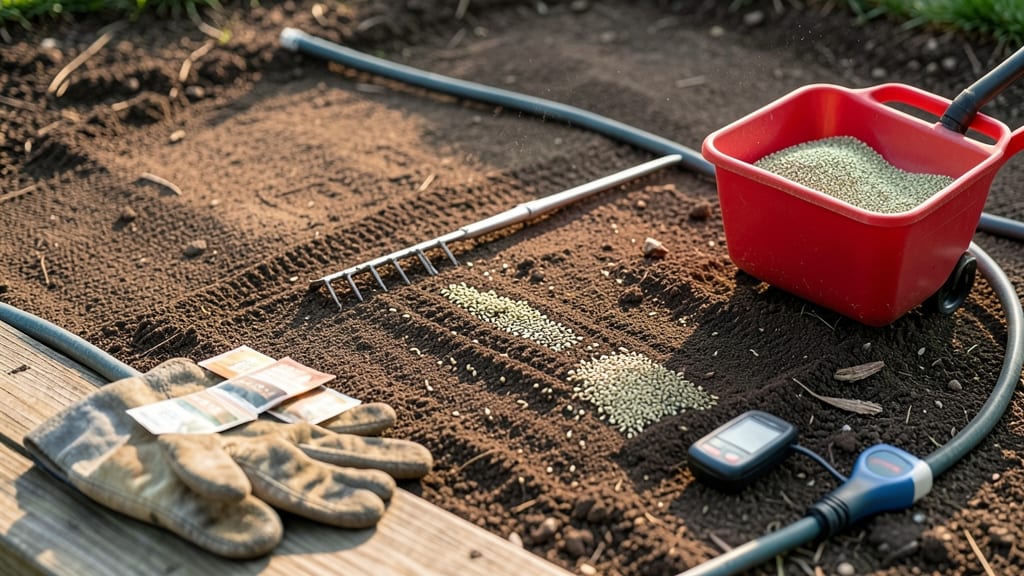
Timing your grass (lawn) planting in Pennsylvania can make the difference between a lush green carpet and a frustrating patchwork of bare spots. If you plant too early, cold soil slows germination, while waiting too long risks heat stress and bolting—neither of which helps your lawn thrive.
For fast results, focus on soil temperatures between 50°F–65°F, which typically aligns with early spring (March–April) or early fall (September–October). Pennsylvania’s 5a-7a zones mean regional variations, so knowing your exact window is key to avoiding common mistakes that derail even the best-laid plans.
I’ll break down the best planting strategies tailored to your location, including soil prep tricks to ensure seeds sprout uniformly and stay resilient.
Whether you’re dealing with clay-heavy soil in Pittsburgh or sandy patches near Philadelphia, these insights will help you skip the guesswork and get a head start on a healthier lawn.
Ready to transform your yard? Let’s dive into the science-backed steps to plant at the perfect moment—so you can enjoy that green dream without the trial and error.
Ideal Pennsylvania grass planting timeline by soil temperature and region
Pennsylvania’s USDA Zones 5a–7a mean grass planting success hinges on soil temperatures and regional microclimates. Cool-season grasses like Kentucky bluegrass and tall fescue thrive when soil hits 50°F–65°F, while warm-season options like Bermuda grass need 70°F+—but they’re rare in PA.
Let’s break down the perfect windows to avoid bolting or stunted growth.
Spring planting in PA starts 4–6 weeks before the last frost (typically mid-March to early April in most regions). Fall planting should occur 4–6 weeks before the first frost (late August to mid-September).
Rural areas like Erie have earlier last frosts (mid-April), while Philadelphia and Pittsburgh average late April.
Here’s how soil temperature dictates your planting window:
| Season | Best Months | Soil Temp Range | Grass Type | Regional Notes |
|---|---|---|---|---|
| Spring | March–April | 50°F–65°F | Cool-season (Kentucky Bluegrass, Fescue) | Wait until soil warms; avoid late April heat stress. |
| Fall | September–October | 55°F–65°F | Cool-season (same as spring) | Best for root establishment before winter; stop by mid-October. |
| Late Spring (Risky) | May | 65°F+ | Cool-season (stress risk) | Only if soil stays moist; high bolting risk. |
| Warm-Season (Rare) | June–July | 70°F+ | Bermuda (limited zones) | Only in southern PA (e.g., Lancaster); not cold-hardy. |
Pro tip: Use a soil thermometer to confirm temps. If soil is below 50°F, seeds won’t germinate—even if air temps feel warm. Philadelphia and Pittsburgh often see delays due to urban heat islands, so adjust your timeline 1–2 weeks later if you’re in the city.
For fastest germination, aim for 55°F–65°F soil temps—this is when cool-season grasses sprout in 7–14 days.
If you plant too early (below 50°F), seeds rot; too late (above 70°F), they bolt (produce seed stalks) instead of growing roots. Mid-April and early September are my golden windows for PA.
Regional tweaks matter: Erie’s cooler climate lets you plant 2 weeks earlier than Lancaster, which has hotter summers.
Always check your local frost dates—the PA State Climate Office has free tools to help. Bolting (premature flowering) is your biggest enemy in late spring, so avoid planting after mid-May unless you’re using slow-bolting varieties like ‘Midnight’ Kentucky Bluegrass.
One more critical factor: rainfall patterns. PA’s spring showers help germination, but drought-prone areas (like southcentral PA) need supplemental watering to keep soil moist for 2–3 weeks post-planting.
If you’re in a dry zone, schedule your planting for early April or late September to align with natural rainfall peaks.
Finally, warm-season grasses (like
How to prepare your soil for fast germination without bolting
Preparing your Pennsylvania soil before planting grass isn’t just about loosening the dirt—it’s about creating the perfect environment for seeds to germinate quickly and roots to establish deeply. Cool-season grasses like Kentucky bluegrass and tall fescue thrive when soil temperatures hover between 50°F–65°F, but without proper prep, even the best timing can lead to uneven growth or bolting.
Start by testing your soil pH—most grasses prefer a range of 6.0–7.0. If your soil is too acidic (below 6.0), add lime 2–3 months before planting.
For alkaline soil (above 7.0), work in sulfur or peat moss to lower the pH. My go-to tool for this is a simple soil test kit, which costs under $20 and saves you from guesswork.