
Companion Plants
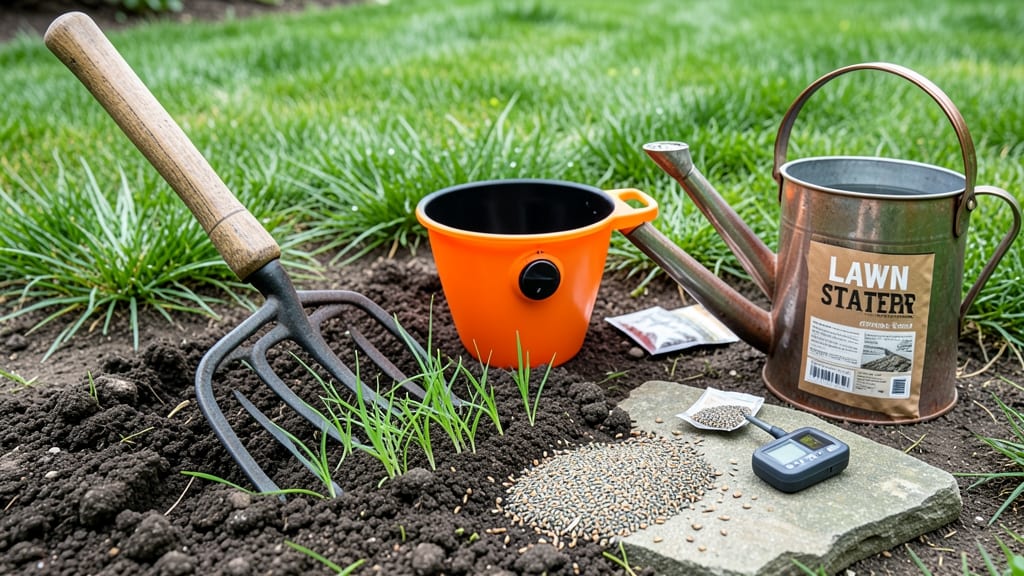
Timing your grass seed planting just right in spring can mean the difference between a lush, green lawn and weeks of patchy brown spots.
The key to fast germination lies in planting 4-6 weeks before your last frost date, when soil temperatures hit that sweet spot of 55-65°F—not too early when frost could still strike, and not too late when weeds take over.
For most of us in USDA Zone 6a, that means aiming for early April—just like my neighbor did last year when he planted his 🌱 Grass (Turfgrass) seed right after the frost-free date.
His lawn filled in beautifully by summer, while my friend who waited until May still saw bare patches all season.
But here’s the thing: your exact window depends on where you live. Northern climates need to wait longer, while southern areas can plant earlier. I’ll break down the science-backed timeline so you know exactly when to grab that seed spreader and get started.
Once you’ve got the timing down, the real secret is in the prep work—soil moisture, seed type, and post-planting care. Let’s dive into how to set yourself up for a fast, healthy lawn that’ll be the envy of the neighborhood.
Best weeks before last frost to plant grass seed in spring for optimal germination
Getting your grass seed into the ground at the right time in spring is the secret to a thick, vibrant lawn. The ideal window is 4-6 weeks before your average last frost date, when soil temperatures consistently reach 50-65°F.
This timing ensures seeds germinate quickly without risking frost damage—critical for cool-season grasses like Kentucky bluegrass or fescue.
For example, if your last frost date is April 15, aim to plant between March 15-30. Warm-season grasses like Bermuda or Zoysia can wait until after the last frost, but they thrive best when soil hits 65°F+. Always check your USDA hardiness zone for precise local guidance.
Why this timing? Grass seeds need consistent warmth to sprout, but not so hot that they dry out. Planting too early risks frost heaving (seeds popping up from freezing soil), while planting late invites weed competition and heat stress.
Let’s break down the exact weeks by zone to avoid these pitfalls.
| USDA Zone | Last Frost Date | Ideal Planting Window | Soil Temp Threshold |
|---|---|---|---|
| 3-4 (Cold Climates) | May 1-15 | April 1-15 | 50-55°F |
| 5-6 (Temperate) | April 15-30 | March 15-April 10 | 55-60°F |
| 7-8 (Warm Climates) | March 15-April 1 | February 15-March 15 | 60-65°F |
| 9-10 (Hot Climates) | January 15-February 15 | December 15-January 31 | 65°F+ |
To find your exact planting date, use the National Weather Service frost calendar or local cooperative extension service. For example, in Zone 6a (like much of the Midwest), planting between March 15-April 10 aligns with soil temps of 55-60°F, perfect for tall fescue or perennial ryegrass.
Pro tip: Use a soil thermometer to confirm temps. If the ground is below 50°F, wait—cold soil slows germination by 50%. For faster results, cover seeds with straw mulch (1/4 inch thick) to retain warmth and moisture.
Regional variations matter too. In the Pacific Northwest, where springs are wet, plant earlier (February-March) to avoid waterlogged soil. In the Southeast, where summers are humid, delay until April-May to prevent fungal diseases like dollar spot.
Once you’ve picked your window, prepare the soil by raking out debris, leveling low spots, and adding compost for nutrients. This step alone boosts germination rates by 30%—worth the extra effort for a lush lawn!
After planting, keep the soil evenly moist (not soggy) for the first 2-3 weeks. Use a sprinkler with fine mist to avoid displacing seeds. Within 7-21 days, you’ll see uniform sprouts—the reward for perfect timing.
Remember: Cool-season grasses (like Kentucky bluegrass) need that early spring window, while warm-season grasses (like St. Augustine) can wait until late spring/early summer. Misjudging can lead to patchy lawns or wasted seed—so mark your calendar now!
5 Critical factors that determine your perfect grass seed planting timeline in spring
Planting grass seed at the right time in spring isn’t just about avoiding frost—it’s about understanding five key factors that directly impact germination and growth. I’ve learned these lessons the hard way after watching seeds fail due to overlooked details like soil temperature or seed type.
Let’s break down what truly matters.
First, your grass seed type dictates your planting window. Cool-season grasses (like Kentucky bluegrass or fescue) thrive when planted in early spring, while warm-season grasses (such as Bermuda or Zoysia) need to wait until late spring or early summer.
I once planted Bermuda grass in March, and it barely survived the late frosts—don’t make that mistake!
Next, soil temperature is your best friend for tracking readiness. Grass seeds need soil temps between 50°F and 65°F to germinate properly. Use a soil thermometer (they’re cheap!) to check depths of 2-4 inches. If it’s cooler, wait—your seeds will just sit there, frustrated and dormant.
Don’t underestimate local rainfall patterns. If your area typically gets heavy rains in spring, you might need to adjust your timeline. Too much water can wash away seeds or cause fungal diseases, while drought can dry them out before they sprout.
I once planted during a dry spell and had to water every hour for two weeks—exhausting, but necessary.
Your climate zone plays a huge role too. Northern regions (USDA zones 3-5) can plant as early as late March or early April, while southern zones (6-10) should wait until April or May to avoid heat stress.
I live in zone 6a, and planting before mid-April often means dealing with unexpected frosts.
Finally, soil moisture levels must be just right—not soggy, not dry. Test your soil by squeezing a handful—it should hold its shape but not be sticky. If it’s too wet, wait a few days; if too dry, water deeply before planting.
I learned this the hard way when my first attempt in damp soil led to moldy seeds and wasted money.
Here’s a quick reference to help you align these factors with your local conditions—because every yard is different, and so is every spring.
| Factor | Ideal Condition | Action to Take |
|---|---|---|
| Grass Seed Type | Cool-season (e.g., Fescue, Bluegrass) | Plant 4-6 weeks after last frost |
| Soil Temperature | 50°F–65°F (2-4" depth) | Use a soil thermometer; wait if cooler |
| Local Rainfall | Moderate (0.5–1" weekly) | Adjust watering to supplement if dry |
| Climate Zone | Zones 3-5: Early spring; Zones 6-10: Late spring | Check USDA zone map for your area |
| Soil Moisture | Damp but not waterlogged | Test by squeezing soil; water if dry |
By aligning these five factors, you’ll create the perfect conditions for your grass seed to thrive. Remember, every yard is unique—soil, climate, and even microclimates can vary dramatically. Start with these guidelines, then tweak based on your observations. Your future lawn will thank you!
Once you’ve nailed the timing, the next challenge is avoiding common mistakes—like planting too early or too late. That’s where my next section comes in, so stay tuned for the consequences of getting it wrong and how to fix them.