
Plants
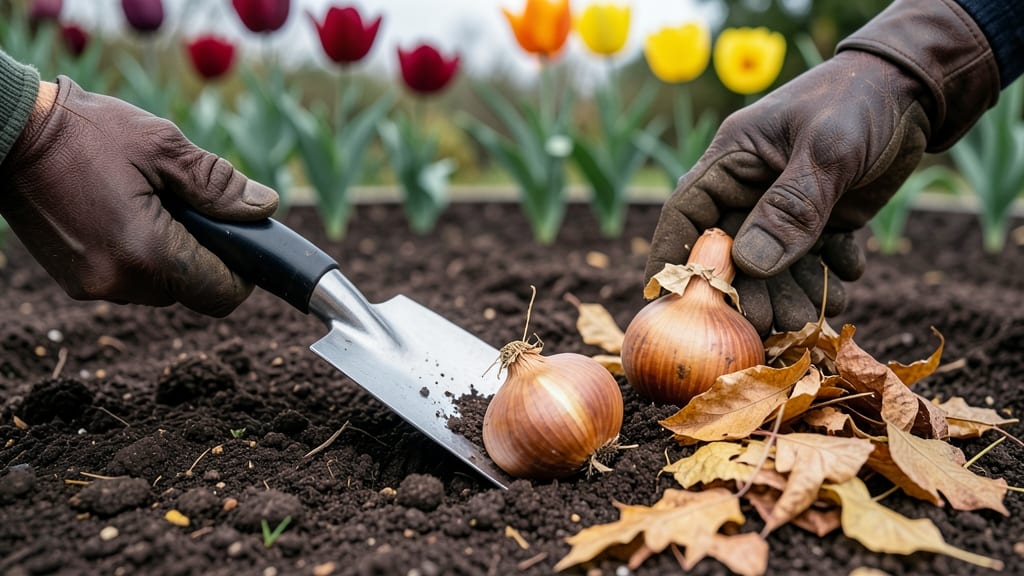
Planting tulip bulbs at the right time in Alabama is the key to avoiding frost damage and ensuring stunning spring blooms. If you wait too long, your 🌷 may not establish roots before winter sets in, while planting too early risks rot from warm soil.
For gardeners in USDA zones 7b-8a, timing is everything—especially when Alabama’s unpredictable frost patterns can throw off even the best-laid plans.
The ideal window for planting tulips in Alabama falls between mid-October and mid-November, giving bulbs time to root before the ground freezes. This schedule accounts for Alabama’s varied microclimates, from Birmingham’s slightly warmer temperatures to Huntsville’s earlier frost dates.
Whether you’re a seasoned gardener or just starting, knowing these deadlines will help you avoid common mistakes that lead to failed blooms.
I’ll walk you through exactly when to plant, how to prepare your soil for Alabama’s clay-heavy conditions, and which tulip varieties thrive best in our climate. By following these steps, you’ll set your garden up for success—no more guessing games or wasted bulbs.
Let’s get your tulips off to the best possible start!
From soil prep to frost protection, this guide covers everything you need to know to plant tulip bulbs with confidence. Whether you’re in North or South Alabama, these actionable tips will help you time your planting perfectly for vibrant spring displays. Ready to transform your garden? Let’s dive in!
Optimal tulip bulb planting timeline for Alabama’s Zone 7b-8a climate
Alabama’s USDA Zone 7b-8a climate gives you a 6-8 week window to plant tulip bulbs, but timing is critical. The ideal planting window runs from mid-October to early December, ensuring bulbs establish roots before winter freezes.
In northern Alabama (Zone 7b), aim for late October—earlier than southern areas where Zone 8a gardeners can plant until mid-November.
Tulip bulbs need 4-6 weeks of cool soil temperatures (50-60°F) to root before the ground freezes. Planting too early (before September) risks rot from warm, wet soil, while late planting (after December) may leave bulbs vulnerable to frost heave or poor root growth.
Alabama’s first frost typically hits mid-November, so plan accordingly.
Check your local frost dates—Birmingham’s average first frost is November 15, while Huntsville’s arrives 2-3 weeks earlier. Use Alabama A&M’s frost calendar as a guide, but remember: microclimates matter. A sheltered south-facing slope may stay warmer longer than a low-lying north-facing bed.
🌷 Alabama Tulip Planting Timeline
| Month | Zone 7b (North AL) | Zone 8a (South AL) | Soil Temp | Risk |
|---|---|---|---|---|
| September | Too early | Too early | 60-70°F | Rot risk |
| October | ✅ Ideal (late) | ✅ Ideal | 50-60°F | Low |
| November | ✅ Ideal (early) | ✅ Ideal (mid) | 40-50°F | Minimal |
| December | ⚠️ Late (Zone 7b) | ✅ Possible (early) | 35-45°F | Moderate |
| January+ | ❌ Too late | ❌ Too late | <35°F | High |
💡 Pro Tip: Use a soil thermometer to confirm 50-60°F soil temps before planting—critical for root establishment.
For hardier tulip varieties like Darwin Hybrids or Fosteriana, you can push the envelope slightly—planting as late as early December in Zone 8a. However, expect smaller blooms or delayed flowering. Never plant after the ground freezes; bulbs won’t survive the shock.
Alabama’s humid springs and unpredictable frost patterns mean timing matters more than in drier climates. If you miss the window, consider container planting—pots can be moved to a garage or cold frame during extreme cold snaps. Just ensure containers have drainage holes to prevent rot.
Mark your calendar for October 15-November 15 as your prime planting window. In northern Alabama, aim for the earlier end; in southern Alabama, stretch to mid-November. The key is 6 weeks before the first hard frost—your tulips will thank you with vibrant spring blooms
Optimal tulip bulb planting timeline for Alabama’s Zone 7b-8a climate
Alabama’s USDA Zone 7b-8a climate creates a unique challenge for tulip bulb planting—too early, and bulbs rot in warm soils; too late, and they fail to establish roots before winter.
The ideal window spans mid-October to mid-November, aligning with soil temperatures dropping below 60°F (15°C) and before the first hard frost (mid-November).
Northern Alabama (Zone 7b, e.g., Huntsville) has earlier frost risks, so aim for late October planting. Southern Alabama (Zone 8a, e.g., Mobile) can extend planting until early December due to milder winters.
Always check your local frost date averages—Alabama’s can vary by 1-2 weeks yearly!
⚠️ Critical Timing Alert: Plant 4-6 weeks before ground freezes to allow root establishment. Use the soil thermometer rule: bulbs thrive when soil temps stay below 60°F (15°C) for 2+ weeks. In Alabama, this typically happens by mid-October.
| Month | Zone 7b (North AL) | Zone 8a (South AL) | Soil Temp Goal |
|---|---|---|---|
| Late September | Too early (soils >65°F) | Possible for early varieties | >60°F (15°C) |
| Mid-October | ✅ Ideal window | ✅ Ideal window | 50-60°F (10-15°C) |
| Late October | Last chance for Zone 7b | Still safe | 40-50°F (4-10°C) |
| November | Risky (frost likely) | ⚠️ Late limit (early Nov) | <40°F (4°C) |
For hardier varieties like Darwin Hybrids or Fosteriana, you can push planting to early December in Zone 8a. These types tolerate milder winters better than delicate Parrot tulips. Always mulch heavily (3-4 inches) after planting to insulate bulbs from Alabama’s temperature swings.
Pro tip: Use a soil thermometer to confirm readiness. If temps stay above 60°F (15°C) for >10 days, wait 2 weeks before planting. In Alabama’s clay-heavy soils, this delay prevents bulb rot—a common mistake!
Remember: No spring planting works for tulips—they need cold dormancy to bloom. Alabama’s warm winters make this even more critical. Mark your calendar for October 15–November 15 and adjust based on your microclimate! 🌷