
Plants
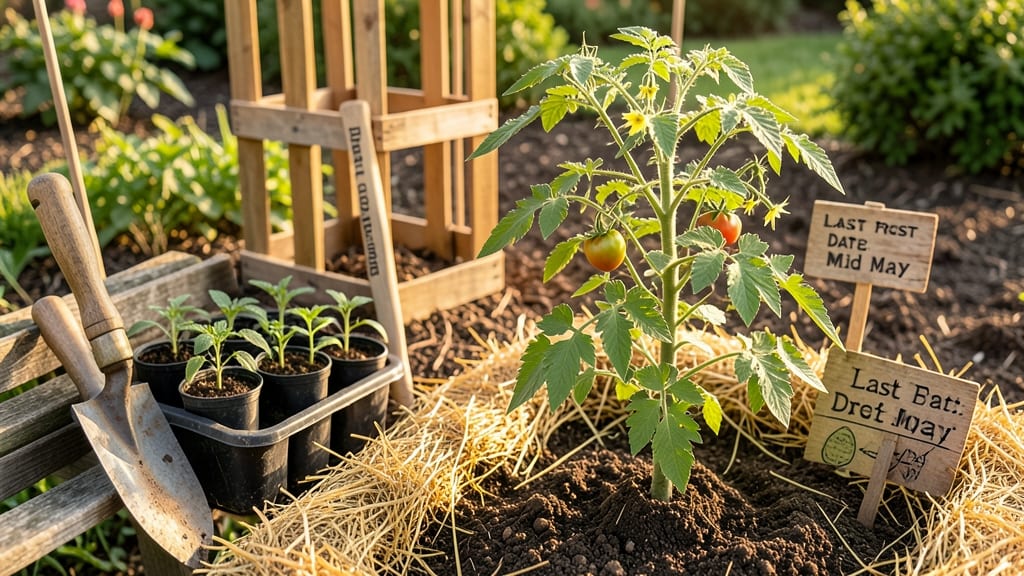
When do you plant tomatoes in Washington State isn’t one-size-fits-all—get it wrong, and you could lose your entire crop to frost or miss the growing season entirely.
Whether you're in the rainy Pacific Northwest or the hotter inland valleys, knowing the exact window for planting 🍅 tomatoes makes all the difference in your harvest.
I’ve spent years growing tomatoes across Washington’s diverse climate zones, and what I’ve learned is that soil temperature and frost dates are the real game-changers. Plant too early in the cooler regions like Seattle, and a late frost could wipe out your seedlings.
But in Spokane or the Columbia Basin, waiting too long means your tomatoes won’t have enough time to ripen before winter sets in.
This guide breaks down the optimal planting dates by region—from Western WA’s cooler springs to Eastern WA’s warmer microclimates—so you can start your tomatoes at the perfect moment.
We’ll also cover how to adjust for greenhouse planting, soil prep, and even the best varieties for your area to ensure a healthy, bountiful harvest.
Ready to avoid common mistakes and maximize your tomato yield? Let’s dive into the exact timing and tips you need to succeed in Washington’s unique growing conditions.
Washington State tomato planting dates by region: exact timing for frost-free growth
Timing is everything when planting tomatoes in Washington State. The Pacific Northwest’s cool, wet springs and inland valleys’ hot summers create a 100+ day window difference between regions.
Get it wrong, and you’ll either lose seedlings to frost or harvest too late in the season. Let’s break down the optimal planting windows for your exact location.
Washington spans USDA Zones 5-8, meaning frost dates vary wildly. Western WA (Seattle, Portland) averages its last spring frost between April 15–May 1, while Eastern WA (Spokane, Wenatchee) sees frost-free conditions by May 15–June 1.
The Columbia Basin can even start planting by late April in sheltered microclimates. These differences mean your tomato planting schedule must be region-specific.
Here’s the critical rule: Plant tomatoes after soil warms to 60°F (15°C). A soil thermometer is your best friend—cool soil slows germination and invites disease. In Western WA, this typically aligns with mid-May to early June, while Eastern WA gardeners can start by late April to mid-May.
Greenhouse growers? You can push these dates back by 4–6 weeks for an earlier harvest.
Now, let’s dive into the region-by-region breakdown so you can pinpoint your perfect planting window. Whether you’re in the rainy west or the sunbaked east, these dates will maximize your tomato yield and avoid common pitfalls like blossom-end rot or stunted growth.
| Region | Last Frost Date | Optimal Planting Window | Soil Temp Threshold | Notes |
|---|---|---|---|---|
| Western WA (Seattle, Portland) | April 15–May 1 | Mid-May to early June | 60°F (15°C) | Use row covers for early starts; acidic soil? |
| Eastern WA (Spokane, Wenatchee) | May 15–June 1 | Late April to mid-May | 55°F (13°C) | Hotter summers; drought-tolerant varieties recommended |
| Columbia Basin (Yakima, Tri-Cities) | April 1–April 15 | Late March to early April (greenhouse) | 50°F (10°C) | Early planting possible; watch for late frosts |
| Puget Sound (Bellingham, Olympia) | April 20–May 5 | Late May to early June | 60°F (15°C) | Coastal areas stay cooler; extend season with cold frames |
🌱 Pro Tip: Start seeds indoors 6–8 weeks before transplanting to align with your region’s planting window.
If you’re planting tomatoes in Western Washington, like in Seattle or Portland, aim for mid-May to early June. The Pacific Northwest’s reputation for rain means your soil will stay cool longer, so don’t rush—wait until the ground warms to 60°F (15°C).
I’ve learned the hard way that planting too early leads to slow germination and damping-off disease. Use a soil thermometer to avoid this mistake.
For Eastern Washington, like Spokane or Wenatchee, you’ve got a head start. The drier climate and earlier last frost dates let you plant as early as late April. However, the hot summers in this region demand heat-tolerant varieties like ‘Mountain Merit’ or ‘Solar Fire’.
These tomatoes thrive in the high desert heat and produce fruit before the season cools down.
Gardeners in the Columbia Basin (Yakima, Tri-Cities) are the lucky ones—they can plant tomatoes as early as late March in a greenhouse or high tunnel. The longer growing season here supports two plantings: one in early spring and another in mid-summer for a fall harvest.
Just be prepared for late frosts in April, which can still sneak in and damage young plants.
No matter your region, transplanting seedlings is a critical step. Harden off your seedlings for 7–10 days before moving them outdoors. This means gradually exposing them to sun and wind to toughen them up. On transplant day, bury seedlings deeper than usual—up to
How to adjust tomato planting for Washington’s microclimates and soil conditions
Washington’s diverse climate means your tomato planting success hinges on microclimate adjustments and soil prep. Coastal areas like Seattle stay cooler longer, while inland valleys like Yakima can hit 90°F+ by summer. The key is matching your planting timing to your specific zone’s last frost date and soil warmth.
For Western Washington (USDA Zones 7-9), aim to plant after May 15 when soil temps hit 60°F+. In Eastern Washington (Zones 5-7), start April 15-May 1 for earlier varieties. Greenhouse growers can push dates back by 2-4 weeks—just monitor for heat stress in summer.
Washington’s acidic soils (pH 5.0-6.5) and clay-heavy regions need amendments. Test your soil—tomatoes thrive in pH 6.0-6.8. Mix in compost or aged manure to improve drainage. If your soil is compacted, add sand or perlite for aeration.
Extend your season with row covers (for spring) or cold frames (for fall). In hot inland areas, use shade cloth to prevent sunscald. Mulch with straw or grass clippings to retain moisture and regulate soil temp—critical in WA’s dry summers.
Choose heat-tolerant varieties like ‘Heatmaster’ for inland zones or cold-hardy ‘Stupice’ for coastal areas. Avoid indeterminate varieties in short seasons—they may not mature before frost. Always harden off seedlings for 7-10 days before transplanting to prevent shock.
Monitor soil moisture closely—Washington’s irregular rains can lead to fungal issues. Water deeply 2x/week in summer, focusing on the root zone. Use drip irrigation to avoid wetting leaves, which spreads disease in WA’s humid summers.