
Plants
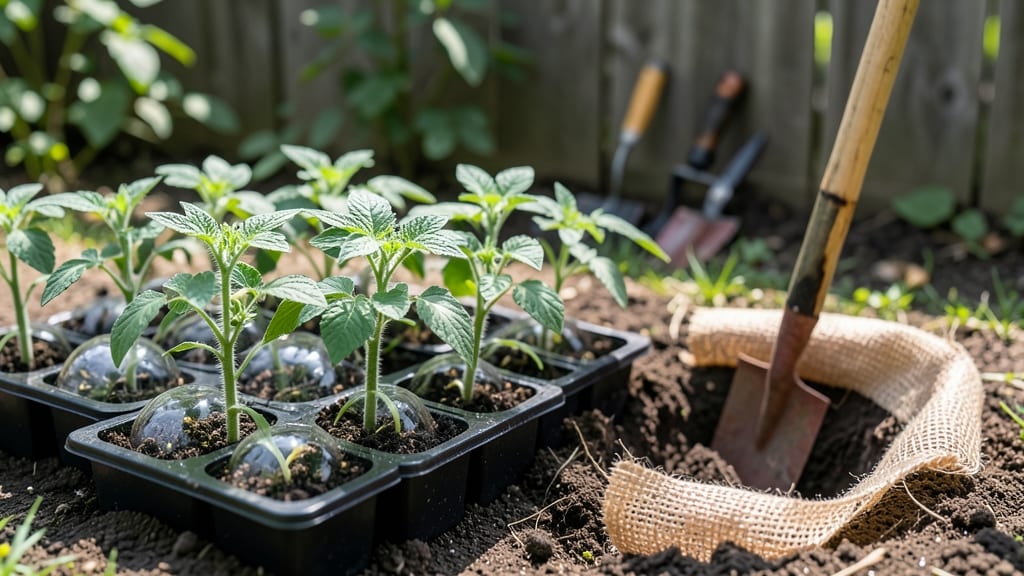
If you’ve ever wondered when do you plant tomatoes in California so your neighbor’s 🍅 plants thrive while yours struggle, timing is the game-changer—and in California, it’s all about your microclimate.
The wrong planting window can mean frost damage or stunted growth, but getting it right means juicy tomatoes all season long.
California’s diverse regions—from coastal fog belts to desert valleys—create wildly different deadlines for planting. Whether you’re in USDA Zone 9b or 10a, knowing when to start seeds indoors or transplant seedlings is the key to avoiding common mistakes like transplant shock or wasted effort.
I’ll break down the exact planting windows for your county, so you can align your schedule with frost-free dates and soil temperatures. Plus, I’ll share pro tips for adjusting timing based on your specific location, whether you’re battling coastal chill or desert heat.
Ready to transform your garden? Let’s dive into the perfect planting calendar for California tomatoes—and set you up for a harvest that’ll make your neighbors green with envy.
California tomato planting deadlines by county: frost-free Zone maps
California’s tomato planting windows vary dramatically from the coastal fog belts to the Central Valley’s heat sinks. In San Francisco, you can start seedlings indoors as early as January 15, while Palm Springs gardeners wait until March 15 to avoid extreme heat stress.
These differences aren’t just about frost—they’re about soil temperatures, humidity levels, and daylight hours that shift with elevation and latitude.
To simplify, I’ve broken down planting deadlines by region, accounting for both last frost dates and optimal transplant windows. Coastal areas like Santa Cruz and Monterey have longer growing seasons, while inland deserts like Riverside require heat-tolerant varieties planted later.
The key is matching your tomato variety to your microclimate—determinate types thrive in cooler coastal zones, while indeterminate varieties shine in the Central Valley’s longer summers.
| Region | Last Frost Date | Ideal Planting Window | Recommended Varieties | Notes |
|---|---|---|---|---|
| Northern Coast (San Francisco, Santa Rosa) | Dec 15 | Feb 1 - Mar 15 (indoors) / Mar 15 - Apr 15 (outdoors) | Early Girl, Stupice, Roma | Cooler temps; use row covers for early planting. |
| Central Valley (Sacramento, Fresno) | Jan 15 | Mar 1 - Apr 15 (indoors) / Apr 1 - May 1 (outdoors) | Celebrity, Big Beef, Cherry Tomatoes | Long growing season; watch for heat stress in summer. |
| Southern California (Los Angeles, San Diego) | Dec 1 (coastal) / Nov 15 (desert) | Feb 15 - Mar 30 (coastal) / Apr 1 - May 15 (desert) | Solar Fire, Heatmaster, Bush Early Girl | Desert zones need late planting; coastal areas can plant earlier. |
| Sierra Foothills (Chico, Redding) | Jan 30 | Mar 15 - Apr 10 (indoors) / Apr 15 - May 1 (outdoors) | Mountain Magic, Glacier, Cherry Tomatoes | Higher elevation; shorter season; use cold-hardy varieties. |
For precise timing, check your local frost dates using the USDA Plant Hardiness Zone Map or resources like the California Master Gardener Program.
Pro tip: Coastal gardeners can push planting dates 2-3 weeks earlier thanks to milder winters, while desert regions should wait until soil temperatures exceed 65°F to avoid seed rot. Always test your soil—pH between 6.0 and 6.8 is ideal for tomatoes.
If you’re unsure about your exact microclimate, start seeds indoors 6-8 weeks before your region’s last frost date. This gives you flexibility to transplant outdoors once nighttime temperatures stay above 50°F.
For example, in San Diego, I begin seeds in late January but delay transplanting until mid-March to avoid coastal winds that can stunt young plants.
Heat-tolerant varieties like Heatmaster or Solar Fire are non-negotiable in Southern California deserts, where daytime temps can exceed 100°F by June. These varieties thrive in intense sunlight and dry conditions, making them perfect for Palm Springs or Bakersfield.
Meanwhile, coastal fog zones like Santa Barbara benefit from determinate varieties like Roma, which ripen quickly in cooler conditions.
Don’t overlook elevation adjustments. A garden in Sacramento (sea level) might plant in early April, while a neighbor in the Sierra foothills (2,000 ft elevation) should wait until mid-April. The 10°F temperature drop per 1,000 ft elevation rule applies here—always factor it into your planting schedule.
Use a soil thermometer to confirm 60°F+ soil temps before transplanting; cold soil slows root growth and invites disease.
For container gardening, adjust your timeline by 1-2 weeks earlier since pots warm
How to adjust planting dates for your specific microclimate
California’s microclimates can shift tomato planting windows by weeks—even within the same county. If you’re in a coastal fog zone, your last frost date might be weeks later than your inland neighbor’s. Here’s how to fine-tune your schedule like a pro.
First, check your USDA Zone (9b-10a for most of California) but don’t stop there. Coastal areas like San Francisco or Santa Barbara stay cooler longer, while inland valleys like Bakersfield or Fresno heat up faster. Use a soil thermometer—tomatoes need soil temps of 60°F+ to thrive.
- 🌊 Coastal Fog Zones: Start seeds 2-3 weeks earlier (Jan-Feb) due to delayed warming. Use heat-tolerant varieties like 'Heatmaster' or 'Solar Fire'.
- 🏜️ Desert Regions: Wait until April-May to avoid bolting from sudden heat. Opt for drought-resistant types like 'Heatmaster' or 'Arkansas Traveler'.
- 🏙️ Urban Heat Islands: Plant 1-2 weeks later than rural areas—concrete absorbs heat, raising soil temps faster. Use black plastic mulch to warm soil.
- ⛰️ High-Elevation Valleys: Extend your season by 30-45 days with row covers or cold frames. Try early varieties like 'Stupice' or 'Mountain Merit'.
- 🌬️ Wind-Prone Areas: Delay transplanting until after May 15 to avoid transplant shock. Use windbreaks or dwarf varieties like 'Tiny Tim'.
For determinate varieties (bush types), you can push planting dates slightly later—they mature faster (60-70 days) than indeterminate vining types (75-90 days). If you’re in Zone 10a (like Palm Springs), you can even plant succession crops every 2-3 weeks from February to July for continuous harvests.
Pro tip: Use degree-day calculators (like those from UC Davis) to track heat accumulation. Tomatoes need 1,000-1,500 degree-days to mature—this helps you predict when to plant for your exact location. For example, Sacramento hits this threshold by early May, while Los Angeles might not until mid-June.
Don’t forget to harden off seedlings for 7-10 days before transplanting, especially if your microclimate swings between cool nights and hot days. Gradually expose them to outdoor conditions to avoid shock and stunted growth.
Finally, monitor your local weather forecasts for Santa Ana winds (inland) or marine layers (coastal)—both can drastically alter your planting success. Adjust your schedule based on 10-day outlooks, not just historical averages.
🌱