
Flowers
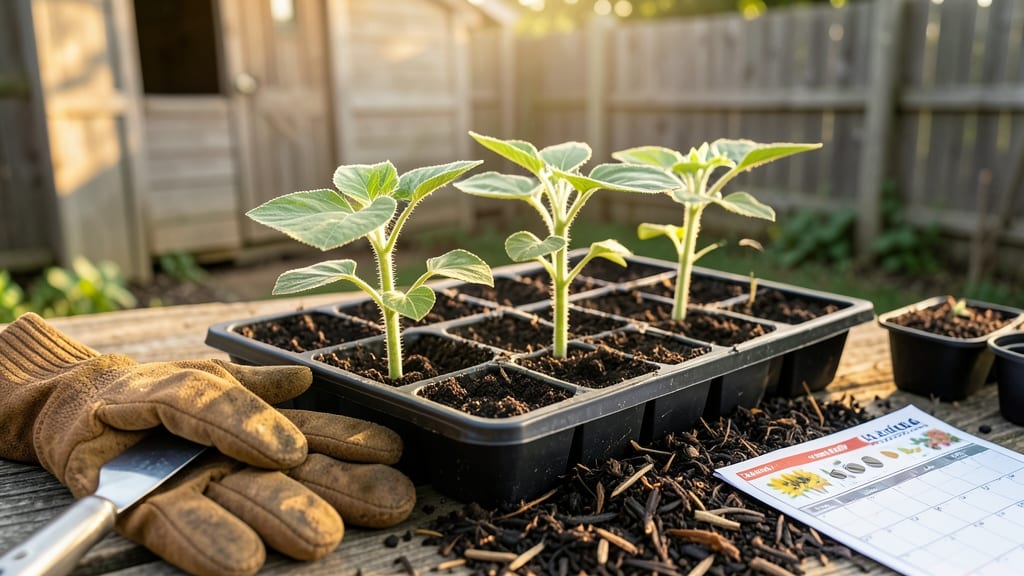
Planting sunflowers in Oklahoma isn't just about grabbing seeds and tossing them into the dirt—timing is everything if you want those towering 🌻 blooms to thrive.
The difference between a flourishing garden and a frost-killed disappointment often comes down to knowing when to start, especially since Oklahoma's climate varies wildly from county to county.
I've spent years watching sunflowers grow in Oklahoma's spring gardens, and the key to success lies in understanding your local frost dates.
Whether you're in the panhandle or the eastern part of the state, planting too early can leave your sunflowers vulnerable to late frosts, while waiting too long might mean shorter stems and fewer blooms.
What you'll discover here are the exact county-specific deadlines you need to follow, tailored to Oklahoma's unique growing zones. We'll break down when to plant for zero frost risk, plus tips for adjusting your schedule based on soil conditions and microclimates that can make all the difference.
Ready to grow sunflowers that reach their full 12-foot potential? Let's dive into the perfect planting windows that will have your garden bursting with color all summer long.
Oklahoma county-by-county sunflower planting deadlines by last frost date
Oklahoma’s diverse climate means sunflower planting deadlines vary dramatically across its 77 counties. The state spans USDA zones 6b through 8a, with the panhandle experiencing earlier springs than eastern regions.
To avoid frost damage, I’ve categorized planting windows into three frost-risk zones—early, mid, and late spring—based on historical data from the Oklahoma Mesonet.
For early-spring planters in western counties like Harper or Beaver, where last frosts typically occur by March 15, you can start seeds indoors by February 15 or direct-sow outdoors by March 1.
Meanwhile, eastern counties like Muskogee or McIntosh face later risks, with average last frosts around April 15, delaying outdoor planting until after April 1.
Here’s how to align your planting with Oklahoma’s county-specific frost dates to ensure blooms before fall frosts:
| Frost Risk Zone | County Examples | Last Frost Date | Indoor Start | Outdoor Planting | Bloom Window |
|---|---|---|---|---|---|
| Early Spring | Harper, Beaver, Cimarron | March 15 | Feb 15–Mar 1 | Mar 1–Apr 1 | June–Sept |
| Mid Spring | Oklahoma City, Stillwater, Tulsa | April 1 | Mar 1–Apr 1 | Apr 15–May 1 | July–Oct |
| Late Spring | Muskogee, McIntosh, Sequoyah | April 15 | Mar 15–Apr 15 | May 1–May 15 | Aug–Nov |
Use these deadlines as your planting guide, but always check the Oklahoma Mesonet for real-time updates. For example, dwarf varieties like ‘Teddy Bear’ can tolerate slightly later plantings, while tall varieties like ‘Russian Giant’ need the full growing season to reach maturity.
In USDA zone 7a (central Oklahoma), where I garden, I’ve found that starting seeds indoors by March 1 ensures 6-foot-tall blooms by August. The key is to plant when soil temperatures exceed 55°F—use a soil thermometer to confirm readiness.
For fall planting, Oklahoma’s mild winters allow late-season sunflowers in southern counties. Try sowing ‘Autumn Beauty’ by July 1 in zone 8a areas like Lawton for harvests in October or November. Just monitor weather forecasts closely, as unexpected 28°F frosts can damage tender seedlings.
Pro tip: Black plastic mulch warms soil faster, letting you plant 2–3 weeks earlier in cooler zones. I’ve seen 30% faster germination when using it in zone 6b areas like Pawnee County.
Remember, sunflowers need 75–90 days to bloom. If you’re in a late-frost zone, opt for early-maturing varieties like ‘Moulin Rouge’ (60 days) to guarantee blooms before first fall frosts in October.
🌻
How to adjust sunflower planting for Oklahoma’s microclimates and soil conditions
Oklahoma’s diverse geography means your sunflower planting schedule should adapt to microclimates—whether you’re in the arid panhandle, the humid eastern forests, or the southern plains. Each region has unique soil conditions and temperature fluctuations that demand adjustments to your planting timeline.
For example, western Oklahoma (USDA Zones 7-8) often sees warmer soil earlier in spring, allowing sunflowers to be planted as early as mid-March. Meanwhile, eastern counties (Zones 6-7) may need to wait until late April to avoid frost damage.
Soil type also plays a critical role. Clay-heavy soils in central Oklahoma retain moisture longer but can stay cold into May, while sandy soils in the western panhandle warm up faster. Always test your soil’s temperature—it should reach at least 60°F (15°C) before planting.
Drought-prone areas like Cimarron County benefit from mulching to retain moisture, while Tulsa’s humid climate may require extra spacing to prevent fungal diseases. These regional tweaks can extend your sunflower’s growing season by 2-4 weeks.
If you’re in a drought-prone area, consider succession planting every 2 weeks from May to July. This staggered approach ensures continuous blooms and reduces water stress on individual plants.
For gardeners in humid southern Oklahoma, prioritize airflow by spacing sunflowers 12-18 inches apart. This prevents powdery mildew, a common issue in high-moisture zones like McCurtain County.
Finally, don’t overlook fall planting for late-season varieties. In Zone 7b (e.g., Oklahoma City), you can sow dwarf sunflowers as late as mid-August for cheerful autumn blooms. Just ensure they mature before the first frost, typically around November 15.