
Plants
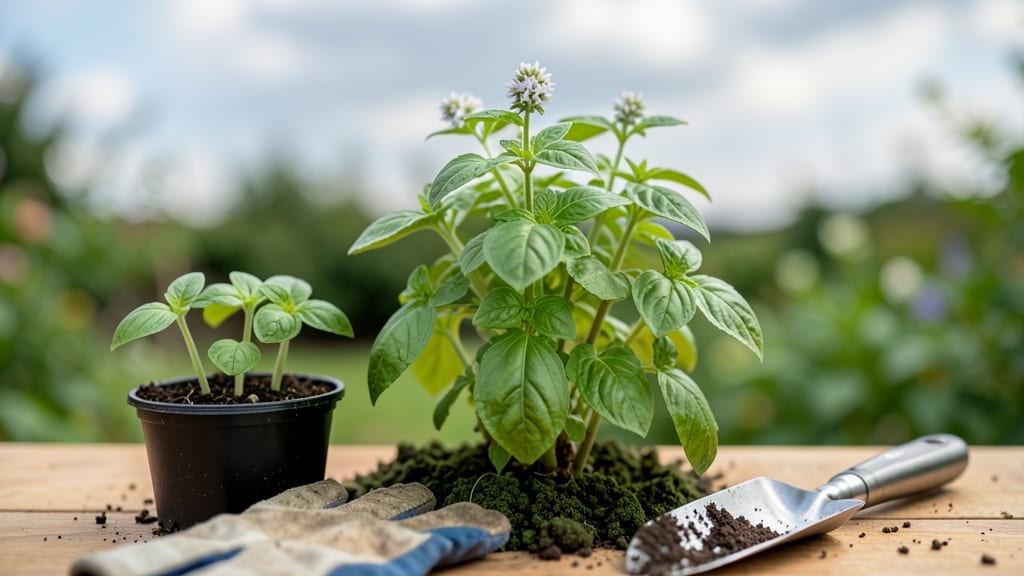
Timing your basil planting in Oregon isn't just about the calendar—it's about dodging frost while catching that sweet 60-day window to harvest flavorful 🌿 basil before summer fades.
With last-frost dates swinging from mid-April in coastal areas to early June in high deserts, getting this right means the difference between a lush herb garden and a sad, wilted disappointment.
If you've ever wondered why your basil bolts or stalls in Oregon's unpredictable climate, the answer lies in understanding your local microclimate. Whether you're in the Willamette Valley's mild pockets or Bend's cooler high desert, knowing when to plant—after soil hits 50°F—is the first step to success.
Let me show you exactly how to time it right for your corner of the state.
Most gardeners in USDA zones 7b-9a rush to plant too early, only to watch their seedlings crisp in late frosts. But with the right strategies—like using frost blankets or starting seeds indoors—you can beat the odds.
I'll walk you through the county-specific deadlines and pro tips to keep your basil thriving from June through September.
Ready to grow basil that tastes like summer all season long? Let's dive into the exact planting windows, soil prep secrets, and how to adjust for Oregon's wild weather—so you can enjoy fresh 🌿 basil from your garden, not just the grocery store.
Oregon county-specific basil planting deadlines by last frost date
Oregon’s diverse climate—from the coastal chill of Astoria to the high-desert warmth of Bend—creates wildly different last frost dates. Planting basil too early risks frost damage, while waiting too long shortens your harvest.
Here’s your county-by-county guide to optimal planting windows, based on USDA zones 7b-9a and Oregon State University data.
Use these deadlines as your planting trigger: Wait until soil temps hit 50°F+ and nighttime lows stay above 45°F. Coastal areas like Tillamook may have 2-3 weeks later frost dates than inland Salem. Always check your local frost watch for real-time updates.
🌱
| County | USDA Zone | Avg. Last Frost | Plant Window | Notes |
|---|---|---|---|---|
| Coastal (Tillamook, Clatsop) | 7b-8a | May 1-15 | May 15-June 1 | Cooler temps; use black plastic mulch |
| Willamette Valley (Lane, Benton) | 8a-8b | April 15-May 1 | April 30-May 15 | Ideal for heat-tolerant varieties |
| Portland Metro (Multnomah, Washington) | 8b | April 15-30 | April 20-May 10 | Urban microclimates may warm faster |
| High Desert (Deschutes, Harney) | 6b-7a | May 15-31 | May 20-June 10 | Start indoors; transplant after June 1 |
| Southern Oregon (Jackson, Josephine) | 8a-9a | April 1-15 | April 10-May 5 | Longer growing season; try fall planting |
For extended harvests, consider a late-summer planting in USDA zones 8b+ (e.g., Medford or Ashland). Start seeds indoors in July and transplant after August 15, using row covers to protect from early September frosts. This strategy can yield basil until October.
Pro tip: Use Oregon State University’s Frost Probability Tool (frost.osu.edu) to get hyper-local frost forecasts. Bookmark it—it’s your basil planting lifeline for unpredictable Oregon weather.
If you’re in Zone 7b (e.g., Eugene), err on the side of caution: Wait until May 1 to plant outdoors. Cold-sensitive varieties like Genovese basil will bolt or wilt if exposed to 40°F nights.
For cooler microclimates, opt for Purple Basil—it tolerates 5°F better than standard types.
🌿
Missed the spring window? Don’t panic. Basil thrives in container gardens, so you can extend your season by planting in large pots and moving them indoors before first frost.
Place them near a south-facing window or under grow lights for 6+ hours of light daily. This trick works even in Zone 6b areas like Bend.
Remember: Soil temperature matters more than air temperature. Use a soil thermometer—if it reads below 50°F, hold off. Warm soil = faster germination and stronger roots. For coastal gardeners, black plastic mulch
How to adjust basil planting for Oregon’s microclimates and frost patterns
Oregon’s diverse geography—from the coastal fog of Portland to the high-desert heat of Bend—means your basil’s planting window can shift by weeks. Understanding these microclimates helps you avoid frost damage while maximizing your harvest. Let’s break down how to adapt your planting strategy based on where you garden in Oregon.
In the Willamette Valley (e.g., Eugene, Salem), late spring frosts often linger until mid-May. Wait until May 1–15 to plant basil outdoors, or use row covers to protect seedlings earlier. Coastal areas like Astoria have milder winters but cooler summers, so opt for heat-tolerant varieties like Thai basil.
For high-desert regions (e.g., Bend, La Pine), soil warms faster, allowing basil planting as early as late April. However, dry winds can stress young plants—mulch heavily to retain moisture. Meanwhile, mountainous areas (e.g., Hood River) may experience unpredictable frost until June, so start seeds indoors in March.
Soil Temperature Check: Use a soil thermometer—basil thrives when soil hits 50°F+. Coastal areas may need to wait until late May, while inland spots like Pendleton can plant by mid-April.
Frost Watch Tools: Sign up for local frost alerts (e.g., Oregon State University’s AgriMet) to track 32°F warnings. Coastal gardeners can push planting to early June if frost risk persists.
Container Gardening Hack: Move potted basil to protected spots (e.g., near south-facing walls) during cool nights. Coastal gardeners can extend the season by bringing pots indoors before October frosts.
Succession Planting: In short-season areas (e.g., USDA Zone 7b), sow new seeds every 2–3 weeks from May to July for continuous harvests. Use fast-maturing varieties like Genovese (ready in 45 days).
If you’re in a warmer microclimate (e.g., Medford in Zone 8a), you can even try a fall planting of basil. Start seeds indoors in August and transplant outdoors by mid-September, using row covers to shield from early October frosts.
Just remember: basil is not frost-tolerant, so always have a backup plan to bring pots indoors.
Pro tip: Monitor your local weather closely—Oregon’s marine layer can delay spring warming by weeks. For example, Portland’s last frost average is April 20, but the coastal town of Cannon Beach often sees frost until May 15.
Adjust your planting date accordingly to avoid stunted growth or bolting.