
Plants
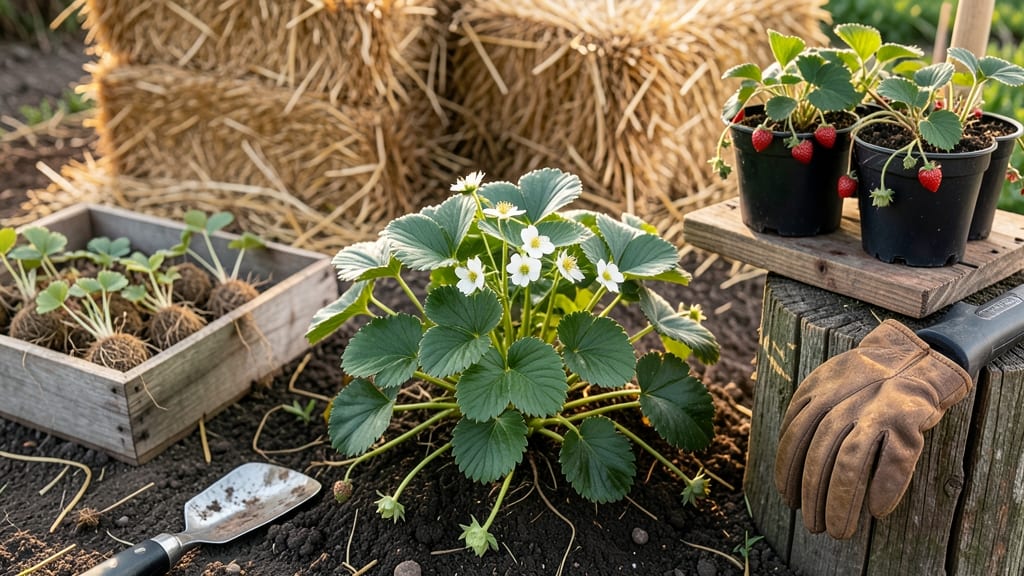
Timing your strawberry planting in New York can mean the difference between a bountiful harvest and wasted effort. The 5-7 USDA zones here demand precision—plant too early, and frost will nip your tender plants; too late, and you’ll miss the ideal growing window.
I’ve grown strawberries in New York for years, and the key is knowing when to act. Whether you’re planting bare-root crowns in early spring or starting containers in late summer, the right timing ensures your 🍓 thrive.
Let’s break down the exact windows and strategies to maximize your yield this season.
New York’s unpredictable springs make planning tricky, but with the right adjustments—like staggered planting or protective covers—you can extend your harvest window. We’ll cover everything from soil prep to frost dates, so you can confidently start your strawberries at the perfect moment.
Ready to grow juicier, sweeter strawberries? Discover the proven methods that work in your backyard, no matter where in New York you’re gardening. Let’s get those plants in the ground the right way, the first time.
New York strawberry planting calendar by USDA zones (5-8)
New York’s diverse climate zones (USDA 5-8) mean your strawberry planting dates should align with local frost risks. In Zone 5 (northern NY), aim for early April to mid-May, while Zone 8 (Long Island) can start as early as late February.
The key? Plant when soil temps hit 40°F (4°C)—cold soil stunts roots.
For June-bearing varieties (like Jewel or Chandler), focus on early spring planting (March-April) to harvest in June-July. Everbearing types (e.g., Ozark Beauty) thrive with fall planting (August-September) for late-summer harvests. Day-neutral varieties (like Albion) are flexible—plant in both spring and fall.
New York’s last frost dates vary wildly: Buffalo (Zone 6) averages May 15, while New York City (Zone 7) sees frost by April 15. Always check local frost maps (like Cornell Cooperative Extension) before planting. A 4-6 week buffer after last frost ensures safe growth.
🌱
| USDA Zone | Spring Planting Window | Fall Planting Window | Best Varieties | Soil Temp Requirement |
|---|---|---|---|---|
| Zone 5 (Northern NY) | April 15–May 15 | August 15–September 15 | Jewel, Honeoye | 40–45°F (4–7°C) |
| Zone 6 (Mid-State) | April 1–May 10 | August 1–September 10 | Chandler, Seneca | 45–50°F (7–10°C) |
| Zone 7 (NYC, Hudson Valley) | March 15–April 30 | July 15–August 30 | Albion, Seascape | 50–55°F (10–13°C) |
| Zone 8 (Long Island) | February 28–April 15 | June 15–July 30 | Ozark Beauty, Tristar | 55–60°F (13–16°C) |
Your soil’s readiness matters more than the calendar. Test for pH 5.8–6.5—strawberries hate acidic soil. Amend with lime (to raise pH) or sulfur (to lower pH) 4–6 weeks before planting. In Zone 5, wait until soil warms to 50°F (10°C) before planting June-bearing varieties, or roots will rot.
For container gardening (great for urban NY gardeners), plant bare-root strawberries in late winter (February-March) and move pots outside after last frost. Containers warm faster than ground soil, giving you a 2-week head start. Use well-draining mix with 50% compost to mimic ideal conditions.
New York’s unpredictable springs demand flexibility. If frost threatens after planting, cover beds with floating row covers or old bedsheets. Remove covers during the day to prevent heat stress. Everbearing varieties handle late frosts better than June-bearing types, making them ideal for Zone 5–6 gardeners.
Pro tip: Plant strawberries in raised beds to improve drainage and warm soil faster. Add 2–3 inches of straw mulch after planting to suppress weeds and retain moisture.
In Zone 8, you can even try winter planting (December) for an early spring harvest, but protect plants with straw mulch (12+ inches).
🌿
- Zone 5: Plant by May 15 for summer harvest
- Zone 6: Plant by April 30 or September 1 for fall
- Zone 7–8: Plant by April 15 or August 15
Don’t overlook staggered planting for continuous harvests. In Zone 7, plant half your June-bearing strawberries in March and the rest in April. This spreads out your 6–8 week harvest window.
For everbearing varieties, plant 25% of your plants every 2 weeks from March to May to enjoy berries from June through October.
🌱 Whether you’re in <
How to adjust planting dates for early vs. late harvests
New York’s unpredictable spring weather can throw off even the most experienced gardener. To extend your strawberry harvest, I’ve found that adjusting planting dates—combined with protective strategies—works wonders.
For a June-bearing variety, consider planting bare-root crowns in February under row covers to jumpstart growth. This gives you a 2-3 week earlier harvest than traditional spring planting.
If you’re growing everbearing or day-neutral varieties, late summer planting (mid-August) lets you enjoy berries into October or November. These varieties thrive with cooler fall temperatures and can produce fruit even when days shorten. Just ensure your soil stays warm enough (60°F+) for root establishment before frost hits.
Early Spring Planting (March-April)
Late Summer Planting (August-September)
Staggered Planting (March + August)
For gardeners in Zone 5 (upstate NY), I recommend starting bare-root crowns in containers indoors by late February. This gives you a 2-week head start before transplanting outdoors. Use grow lights if natural light is limited, and keep soil at 65-70°F for optimal root growth.
In Zone 7 (Long Island, NYC), where springs are milder, you can plant as early as February 15th if using row covers or cold frames. These protective barriers raise soil temperatures by 5-10°F, accelerating growth. Just remove covers when daytime temps exceed 70°F to prevent overheating.
Protective strategies like floating row covers or straw mulch (4-6 inches deep) can push your planting window 2-3 weeks earlier in spring. For late summer plantings, use black plastic mulch to warm soil faster—critical for Zone 5 areas where fall cools quickly.
Always test soil temperature with a soil thermometer before planting.