
Plants
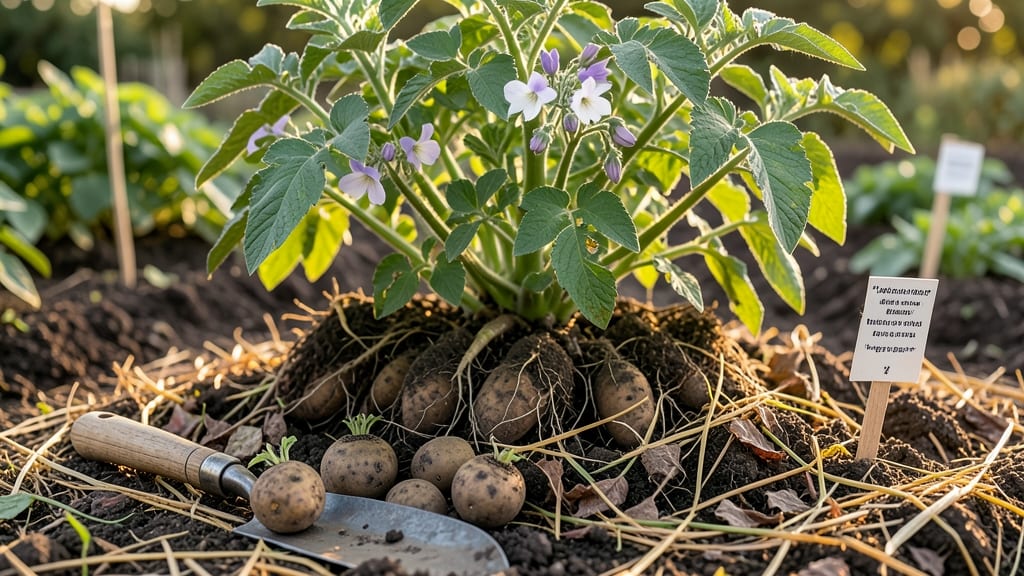
If you're wondering when to plant potatoes in Virginia, timing is everything—especially when late frosts or sweltering heat can turn your hard work into a flop.
In zones 7a-7b, the key is planting 4-6 weeks before your last frost date, typically between February and March, when soil warms to 45°F.
Skipping this window risks stunted growth or even crop failure, but don’t stress—Virginia’s climate offers flexibility. Early varieties can go in as soon as January, while late bloomers wait until April. The trick? Adjust for your microclimate, whether you’re in the Piedmont’s cooler hills or the Coastal Plain’s milder springs.
I’ll walk you through the exact dates, soil prep tips, and how to pick the right varieties for your garden. No more guessing—just a foolproof plan to get your 🥔 off to a strong start.
Ready to dig in? Let’s make sure your potatoes thrive from seed to harvest, no matter what Virginia’s weather throws your way.
Virginia planting zones and ideal potato planting dates by month
Virginia’s diverse climate—from the Coastal Plain to the Blue Ridge Mountains—means planting dates vary by region. Most of the state falls under USDA zones 6a-8a, with last frost dates ranging from mid-March in the Tidewater to late April in the Shenandoah Valley.
To maximize your potato yield, align planting with these zone-specific windows.
For early varieties, aim to plant 4-6 weeks before your area’s last frost date. In Northern Virginia (zone 7a), this means late February to early March.
Meanwhile, Southern Virginia (zone 8a) gardeners can start as early as January for a head start on the growing season. Late varieties can go in until mid-April for a summer harvest.
Timing matters because potatoes need 90-120 days to mature. Planting too early risks frost damage, while late planting may result in small tubers before the first frost. Microclimates also play a role—valleys often frost later than hillsides, so adjust accordingly.
Here’s a quick reference for Virginia’s three key regions and their ideal planting windows:
| Region | USDA Zone | Last Frost Date | Ideal Planting Window | Notes |
|---|---|---|---|---|
| Northern VA (e.g., Arlington, Charlottesville) | 7a-7b | Mid-March | Late Feb – Early March | Cold winters; use cold-hardy varieties. |
| Central VA (e.g., Richmond, Lynchburg) | 7b-8a | Early April | January – Mid-March | Mild winters; early planting extends season. |
| Southern VA (e.g., Norfolk, Hampton) | 8a | Late March | January – Early April | Warmest zone; longer growing season possible. |
If you’re unsure about your last frost date, check the Virginia Cooperative Extension or use a frost calendar for your county. For example, Roanoke (zone 7a) typically sees its last frost around March 20, while Williamsburg (zone 8a) averages March 10.
Adjust your planting by 4-6 weeks before this date.
For container gardening, you can start potatoes indoors 8-10 weeks before the last frost. Use 5-gallon buckets with drainage holes and transplant seedlings outdoors after the frost risk passes. This trick works well for small spaces or urban gardens.
Pro tip: Chit your seed potatoes (expose them to light for 2-3 weeks before planting) to encourage early sprouting. This gives you a 2-week head start on the season, especially critical in cooler Virginia zones.
Store them in a bright, cool spot (like a sunny windowsill) to speed up the process.
Remember, soil temperature is just as important as air temperature. Potatoes thrive when soil reaches 45°F (7°C). Use a soil thermometer to confirm readiness—planting in cold soil delays germination and invites disease risks.
In Virginia, this usually aligns with late February to March, but Southern regions may see earlier readiness.
Finally, consider succession planting for a continuous harvest. Plant early varieties in February, mid-season types in March, and late varieties in April. This ensures you have potatoes ready from June through August, just in time for summer meals and storage.
How to time your potato planting for maximum yield in Virginia’s climate
Virginia’s unpredictable spring frosts and humid summers demand precise potato planting timing. The key is planting 4-6 weeks before your last frost date—typically between February and early April—when soil temps hit 45°F (7°C).
Use a soil thermometer to confirm readiness, especially in Zone 6a areas like the Shenandoah Valley, where frosts linger longer.
For maximum yield, align your planting with soil conditions, not just calendar dates. Cold, wet soil slows sprouting, while too-warm soil (above 60°F) can cause seed potatoes to rot.
In Coastal Virginia (Zone 8a), you might start as early as January, but inland regions should wait until late February or March to avoid frost damage.
⚠️ CRITICAL WARNING: Frost Damage Risks
Planting too early exposes tender sprouts to killing frosts (below 28°F). Use row covers or straw mulch if late frosts threaten. In Zone 7a, wait until March 15 as a safe baseline.
Avoid planting after April 15—late plantings risk blight from Virginia’s humid summers. Adjust for microclimates: Mountain regions stay cooler longer, while Piedmont areas warm up faster.
Choose early-maturing varieties (60-90 days) for spring plantings to harvest before summer humidity peaks. Mid-season types (90-110 days) work for late March plantings, while long-season potatoes (110+ days) should only be planted by early April in warmer zones.
Always chit your seed potatoes (sprout indoors) 4-6 weeks before planting to jumpstart growth.
Prepare beds with loose, well-draining soil amended with compost or aged manure. Potatoes hate soggy conditions, so raise beds in clay-heavy soils or plant on mounds.
After planting, apply 2-3 inches of straw mulch to regulate soil temp and retain moisture. Replenish mulch as plants grow to prevent green (toxic) tubers from sun exposure.
Monitor soil moisture closely—potatoes need 1-2 inches of water weekly, but avoid overhead watering to prevent disease spread. In Virginia’s heat, water deeply in the morning to reduce evaporation.
If your spring is unusually cold, consider container growing for earlier starts or move pots to a sheltered spot if frost threatens.
For second-crop potatoes, plant late varieties in early June after harvesting the first crop. This works best in Zone 8a areas with longer growing seasons. Use black plastic mulch to warm soil faster and extend the harvest window into fall.
Just remember: second crops require faster-maturing varieties (like 'Red Pontiac') to avoid summer blight.