
Plants
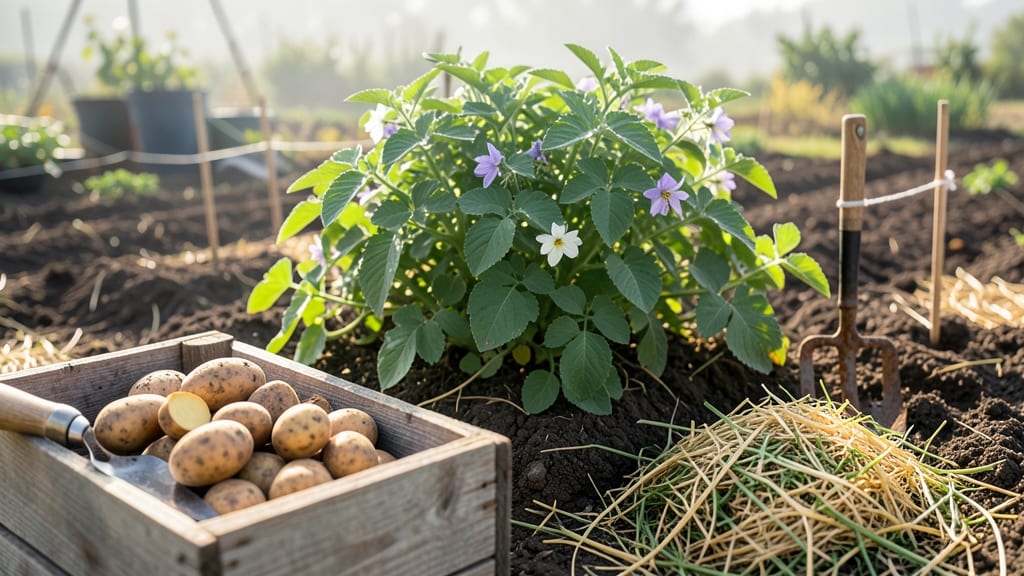
Planting potatoes in Oregon at the wrong time can mean the difference between a thriving harvest and wasted effort—especially with our 7b-9a climate zones. Whether you're in Portland's coastal fog or the high desert near Bend, timing isn't just about dates; it's about soil temperature, frost risk, and even elevation.
Miss the window, and you might face rot, stunted growth, or worse.
Most gardeners know spring is prime time, but did you know fall plantings can work too? The key is understanding your specific zone: coastal areas like Astoria can start as early as March, while inland spots like Bend wait until April.
I'll break down exactly when to plant based on where you live—and how to adjust for Oregon's unpredictable weather.
You don't need a PhD in horticulture to get this right. With the right timing, even beginners can grow bountiful potatoes. We'll cover soil prep, variety selection, and how to tell when your 🥔 are ready to harvest. Let's make sure your next planting season is your most successful yet.
Ready to dig in? I'll walk you through the exact steps to plant potatoes at the perfect moment—no guesswork, just results. Whether you're a first-timer or a seasoned gardener, these tips will help you avoid common mistakes and maximize your yield. Let's get growing!
Oregon’s 3 planting zones for potatoes: when to start by elevation
Oregon’s microclimates create a puzzle for potato growers. The coastal regions near Astoria face damp, chilly springs, while the Willamette Valley enjoys mild conditions, and the high desert around Bend bakes in summer.
Each zone demands a different planting strategy to avoid frost damage or heat stress. Let’s break it down by elevation to pinpoint your perfect window.
For coastal Oregon (0–1,000 ft), like the Northwest near Seaside, aim for late March to early April. Soil temps here hover around 45–50°F, and frost lingers until April 15.
Plant early-maturing varieties like ‘Yukon Gold’ to harvest before summer humidity spikes. Coastal growers also benefit from row covers to shield tender sprouts from late frosts.
In the Willamette Valley (1,000–3,000 ft), including Eugene and Salem, your window stretches from mid-March to mid-April. This zone’s moderate climate allows for mid-season varieties like ‘Russet Burbank’, with soil temps ideal at 50–55°F.
Last frosts typically pass by April 1, but watch for valley fog, which can delay planting by a week or two.
High-desert regions (3,000+ ft), such as Bend or La Grande, offer a shorter growing season. Plant early varieties like ‘Red Pontiac’ in late April to early May when soil temps reach 55°F. Frost can linger until May 10, and summer heat arrives fast—prioritize shade cloth or drip irrigation to protect tubers from drying out.
🌱 Oregon Potato Planting Guide by Zone
| Zone | Elevation | Planting Window | Soil Temp | Last Frost | Best Varieties |
|---|---|---|---|---|---|
| Coastal | 0–1,000 ft | Late March–Early April | 45–50°F | April 15 | Yukon Gold, Kennebec |
| Willamette Valley | 1,000–3,000 ft | Mid-March–Mid-April | 50–55°F | April 1 | Russet Burbank, Fingerling |
| High Desert | 3,000+ ft | Late April–Early May | 55°F+ | May 10 | Red Pontiac, Purple Viking |
📌 Pro Tip: Use a soil thermometer to confirm temps—cold soil delays sprouting.
Don’t overlook fall planting for late-season harvests. In coastal areas, try August to early September for varieties like ‘Kennebec’, while valley zones can extend planting until mid-September.
High-desert regions should avoid fall planting due to early frosts. Always choose disease-resistant tubers for fall crops to combat Oregon’s humid autumns.
Adjust your timing based on microclimates. A south-facing slope in the Willamette Valley warms faster than a north-facing spot, while urban heat islands in Portland can push soil temps up by 5–10°F.
Use USDA Plant Hardiness Zone Map tools to refine your local window—Oregon spans Zones 7b to 9a, so elevation matters more than latitude.
For container growing, plant 2–3 weeks earlier than in-ground gardens. Pots warm faster in spring, but they also dry out quicker. Use black plastic pots to absorb heat and add compost to retain moisture. Coastal gardeners can start containers indoors under grow lights in February for a head start.
Watch for false springs, where warm spells trick you into planting too early. If nights dip below 40°F, cover seedlings with frost cloth or move containers to a protected spot.
Oregon’s unpredictable weather means flexibility—have a backup plan for late frosts or prolonged rains that can rot tubers.
Finally, succession plant every 2–3 weeks in spring for a staggered harvest. This works especially well in the Willamette Valley, where mild summers allow for multiple plantings. Space your batches to avoid blight pressure and ensure a steady supply of fresh potatoes from June to September.
Timing your potato crop in Oregon isn’t just about the calendar—it’s about reading your land. Pay attention to soil cues, local frost dates, and variety traits to turn your garden into a high-yield potato powerhouse. 🥔
5 Proven strategies to extend Oregon’s potato growing season
Oregon’s unpredictable weather can throw off even the best-laid planting plans. One year, you’re battling coastal fog delays; the next, high-desert heat arrives early. The good news? With the right strategies, you can extend your potato season by weeks—even months—and avoid common pitfalls like blight or stunted growth.
Here’s how I’ve successfully grown potatoes in Portland’s damp climate and Bend’s dry heat using these five tactics.
First, succession planting is your secret weapon. Instead of planting all your seed potatoes at once, stagger them 2-3 weeks apart. This ensures a continuous harvest from June through September.
For example, plant your first batch in early April (after frost risk passes) and follow with two more batches in mid-April and early May. This works especially well in valley zones like Eugene or Salem, where springs can be mild.
Next, black plastic mulch is a game-changer for high-desert areas (3,000+ ft). Lay down mulch 2-3 weeks before planting to warm the soil faster.
In Bend or La Pine, this can shave off 2-4 weeks from your planting timeline, letting you start as early as mid-March instead of waiting for April. Just remove the mulch before harvest to avoid green skin on your potatoes.
5 Strategies to Extend Your Potato Season
- Succession Planting: Stagger plantings every 2-3 weeks for continuous harvests.
- Black Plastic Mulch: Warms soil in high-desert zones; plant 2-3 weeks earlier.
- Row Covers: Protect coastal plantings from late frosts (use until soil warms to 50°F).
- Cold Frames: Start seed potatoes indoors in February for early coastal plantings.
- Fall Plantings: Try Yukon Golds or Red Pontiacs in August-September for harvests before first frost.
For coastal gardeners in Astoria or Cannon Beach, row covers are non-negotiable. These lightweight fabrics shield young plants from late frosts that can linger into May. I’ve used them to plant as early as late February—yes, February!—by removing covers once soil temperatures hit 50°F.
Just watch for condensation buildup; vent on sunny days to prevent fungal issues.
Don’t overlook cold frames for a head start. In Portland or Corvallis, I’ve pre-sprouted seed potatoes in a cold frame by February 1st. Place them in shallow trays with sandy soil and keep them in a sunny, sheltered spot.
Once sprouts are 1-2 inches tall, transplant them directly into the garden. This gives you a 3-4 week advantage over traditional planting.
Finally, fall plantings are often overlooked but can yield sweet, high-starch potatoes before winter sets in. Choose early-maturing varieties like Yukon Gold or Red Pontiac and plant them in late August to early September.
Aim to harvest before the first frost (typically mid-October in valleys, earlier in high desert). This works best in USDA zones 7b-8, so coastal areas may need extra protection.