
Plants
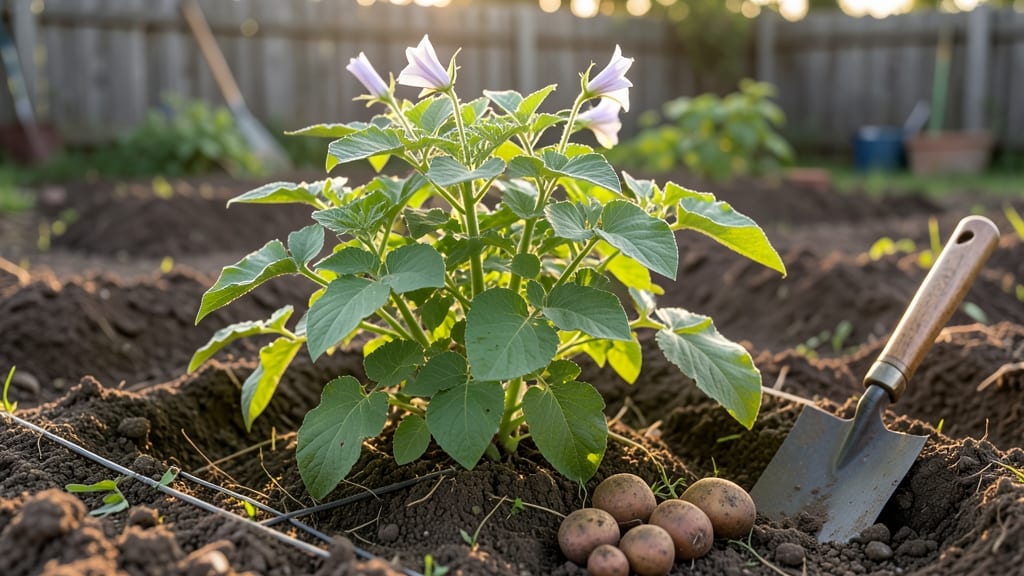
When do you plant potatoes in Missouri? Timing your 🥔 potato planting in Missouri isn't just about the calendar—it's about beating frost, understanding heat zones, and knowing your county's unique frost-free dates.
With USDA zones 5b-6b and last frosts creeping from mid-March to mid-April, getting it wrong could mean lost tubers or stunted growth.
Most gardeners in Missouri wait until soil temperatures hit 45°F—typically 2-4 weeks after the last frost—but early varieties can handle cooler conditions. The key is matching your planting window to your specific heat zone, whether you're in the cooler Zone 5b hills or the warmer Zone 6b southern regions.
In this guide, I'll break down the exact frost-free windows by county, recommend the best early, mid-season, and late varieties for your area, and share strategies to extend your growing season if Mother Nature throws a curveball. No more guessing—just data-driven planting for a harvest you can count on.
Whether you're a first-time 🥔 grower or a seasoned gardener, these insights will help you plan with confidence. Let's dig into the details so you can enjoy homegrown spuds from late summer through fall.
Missouri potato planting schedule by heat Zone and county frost dates
Missouri’s diverse climate—spanning USDA zones 5b to 6b—means potato planting windows vary dramatically from the cool northern hills to the warmer southern plains. The key to success? Planting when soil temperatures hit 45°F (7°C) and the last frost risk drops below 10%.
For most of Missouri, this falls between mid-March and early April, but your exact county’s frost-free date could shift your schedule by 2-4 weeks.
Northern counties like St. Louis (Zone 6a) often see their last frost around April 15, while southern areas like Springs (Zone 7a) can plant as early as February 20. Even within the same region, microclimates near rivers or hills can delay frost by 7-10 days.
Use the table below to pinpoint your ideal planting window based on your county’s historical frost data and heat zone.
| Heat Zone | County Examples | Last Frost Date (Avg.) | Ideal Planting Window | Days to Maturity |
|---|---|---|---|---|
| Zone 5b | Clay, Daviess, Grundy | April 20 - May 5 | April 1 - April 15 (use row covers) | 90-120 days |
| Zone 6a | St. Louis, Jefferson, Franklin | April 1 - April 15 | March 15 - April 1 | 70-100 days |
| Zone 6b | Boone, Cole, Greene | March 25 - April 10 | March 1 - March 20 | 60-90 days |
| Zone 7a | Springs, Newton, Jasper | March 15 - March 30 | February 20 - March 10 | 60-80 days |
*Check your county’s 30-year frost averages via the Missouri State Climatologist for precise timing.
For early varieties like ‘Red LaSoda’ (70 days to maturity), aim to plant by March 15 in Zone 6b or later. These fast growers can tolerate cooler soils and still produce a harvest before summer heat sets in.
In contrast, late-season varieties such as ‘Kennebec’ (110 days) need a May 1 planting date in Zone 5b to avoid frost damage during tuber formation.
Pro tip: Use seed potatoes (not grocery store potatoes) and cut them into 1-2 oz pieces with at least 2 eyes each. Let the cut pieces cure for 24-48 hours before planting to prevent rot. Store them in a cool, dark place (like a basement) until planting day.
Missouri’s soil temperature is just as critical as frost dates. Potatoes won’t sprout until soil reaches 45°F (7°C), and ideal germination occurs at 55-65°F (13-18°C). Use a soil thermometer to confirm readiness—especially in northern counties where cold snaps can linger into April.
If your soil is still chilly, opt for cold-hardy varieties like ‘German Butterball’ or delay planting until mid-April.
One common mistake? Planting too deep or too shallow. Aim for 2-4 inches deep, with 12 inches between plants and 30 inches between rows. This spacing allows tubers to develop without crowding, reducing disease risk.
In sandy soils (common in western Missouri), add 2-3 inches of compost to the planting hole to retain moisture and nutrients.
For gardeners in Zone 7a, you can even plant a second crop in early May using fast-maturing varieties. This “succession planting” extends your harvest window and maximizes yield. Just be sure to choose varieties with 60-70 day maturity to avoid fall frosts.
🌱
How to adjust potato planting for Missouri’s unpredictable spring weather
Missouri’s spring weather can be a rollercoaster—one day it’s 60°F and sunny, the next it drops back to 32°F with frost. If you’ve ever planted potatoes only to see them nipped by late frost, you’re not alone.
The key is proactive adjustments to protect your crop and maximize your harvest, even when Mother Nature throws curveballs. Let’s dive into strategies that work for Missouri’s USDA Zones 5b-6b, where frost can linger until mid-April in some areas.
Late frosts are the biggest threat to early potato plantings, but soil temperature fluctuations and regional microclimates (like river valleys vs. hilltops) can also throw off your timing. The good news?
With the right tactics, you can extend your planting window, safeguard young plants, and even plan backup dates if needed. Whether you’re in St. Louis, Kansas City, or the Bootheel, these adjustments will help you avoid common pitfalls and grow potatoes successfully.
Missouri’s average last frost dates range from March 15 in southern zones to April 15 in northern areas. Never plant early varieties before your county’s frost-free date—even if the soil feels workable. Use row covers or cold frames to buy time for early plantings.
To start, choose cold-hardy potato varieties that can tolerate light frosts. Varieties like ‘Yukon Gold’ or ‘Kennebec’ are more resilient than delicate types like ‘Red Pontiac’, which can bolt or rot in fluctuating temperatures.
If you’re planting in March, opt for early-maturing varieties (70-90 days to harvest) to reduce frost risk. For example, ‘Early Girl’ or ‘German Butterball’ are excellent choices for Missouri’s shorter growing season in northern counties.
Another smart move is to use row covers or frost blankets for the first 2-3 weeks after planting. These lightweight fabrics trap heat and protect young shoots from 28-32°F temperatures.
You can find them at garden centers for under $20 and reuse them for years. Pro tip: Secure the covers with bricks or stakes to prevent wind damage, and remove them during the day if temperatures rise above 50°F to avoid overheating.
If your spring is particularly unpredictable, consider staggered planting. Instead of putting all your seed potatoes in the ground at once, plant a portion 2 weeks apart for a continuous harvest. This way, if the first batch gets hit by frost, the second planting can still thrive.
For instance, plant half your potatoes in early April and the other half in mid-April. This strategy also helps manage pests and diseases, as mature plants are less vulnerable to blight.
For gardeners in northern Missouri (Zones 5b-6a), where frosts can linger, warm the soil faster by planting in south-facing beds or using black plastic mulch. The plastic absorbs sunlight and raises soil temperatures by 5-10°F, speeding up germination. Just
If a late frost wipes out your early planting, don’t panic! Missouri’s growing season is long enough to support a second planting in May for mid-to-late varieties like ‘Russet Burbank’. Just ensure you have 100+ frost-free days left in your area.
Finally, monitor your local weather forecasts and adjust your timeline accordingly. The National Weather Service and Missouri Climate Center provide county-specific frost predictions. For example, if your area is forecasted for a hard freeze in early April, delay planting until after the threat passes.
Alternatively, plant in containers and move them to a sheltered spot if frost is predicted. This flexibility is especially helpful for urban gardeners with limited space.
By combining cold-hardy varieties, protective covers, staggered plantings, and soil warming, you can outsmart Missouri’s unpredictable spring. These adjustments don’t just protect your crop—they also give you the confidence to experiment with new varieties and extend your harvest season.
With a little planning, you’ll be digging up golden potatoes instead of pulling up frost-damaged sprouts! 🌱🥔