
Plants
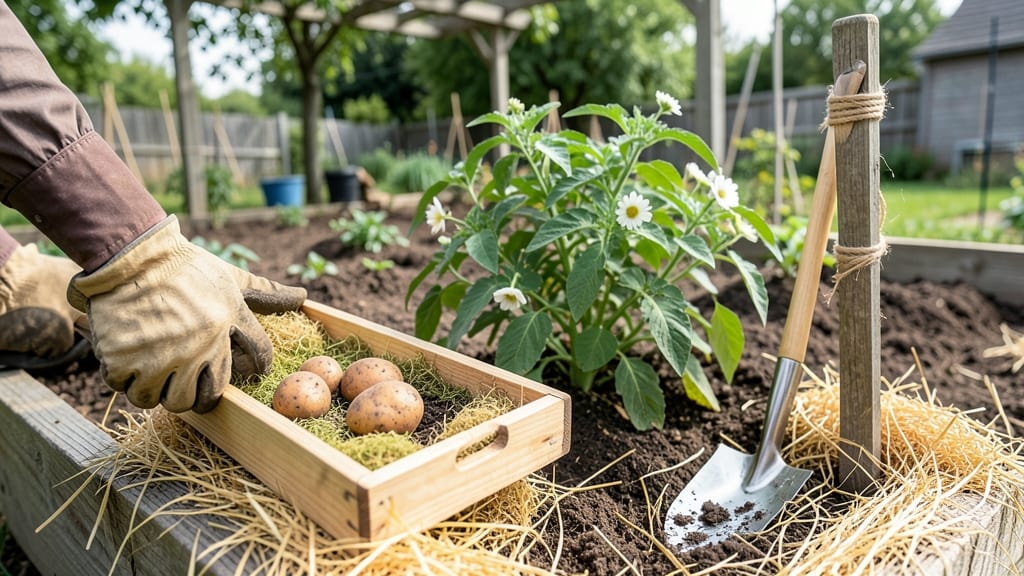
When do you plant 🥔 potatoes in Idaho isn’t just about spring—it’s about surviving the state’s dramatic elevation shifts and unpredictable frost dates.
Plant too early in the Panhandle’s high desert, and you’ll lose your crop to late frosts; wait too long in the Treasure Valley, and you’ll miss the 90-day growing window before winter sets in.
What separates successful Idaho gardeners from those who scratch their heads in October with half-baked potatoes? Knowing your USDA zone (4b-7b) and adjusting for microclimates—whether you’re in Boise’s urban heat pockets or Lewiston’s river valleys.
The right schedule isn’t one-size-fits-all, and I’ll break down exactly when to plant based on your elevation, soil temperature, and local frost patterns.
You’ll discover how to stretch Idaho’s short season with cold-hardy varieties, soil warming tricks, and strategic planting dates that account for first frost risks as early as mid-October in some areas. No more guessing games—just a clear, zone-specific roadmap to maximize your harvest from late June through October.
Ready to ditch the trial-and-error approach? Let’s get into the exact planting windows, soil prep secrets, and variety choices that work for Idaho’s unique climate—so you can enjoy homegrown 🥔 potatoes without the stress.
Idaho potato planting dates by elevation Zone (with frost-free maps)
Idaho’s elevation variations create dramatic differences in planting windows—what works in Boise (3,500 ft) fails in Sandpoint (2,200 ft). The average last frost shifts from May 15 in low desert zones to June 1 in mountain regions.
Below are the exact planting windows for Idaho’s three key elevation bands, plus how to adjust for microclimates like river valleys or north-facing slopes.
For low-elevation zones (2,000–4,000 ft), including Boise, Twin Falls, and the Magic Valley, aim to plant 2–4 weeks after your average last frost date. This typically means mid-April to early May.
In mid-elevation zones (4,000–6,000 ft), like Coeur d’Alene or Ketchum, wait until late May to early June—frost lingers longer here.
High-altitude areas above 6,000 ft (e.g., McCall, Donnelly) often need to plant in June or even early July for short-season varieties. These zones have only 90–120 frost-free days, so choose early-maturing potatoes like ‘Yukon Gold’ or ‘Red LaSoda’.
Use these soil temperature rules for all zones: Plant when soil reaches 45°F at 4-inch depth. Test with a soil thermometer—cold soil delays sprouting. In sandy soils (common in the Palouse), warm up faster; in clay-heavy areas (like parts of Ada County), wait 1–2 weeks longer.
| Elevation Zone (ft) | Avg. Last Frost | Planting Window | Recommended Varieties | Frost-Free Days |
|---|---|---|---|---|
| 2,000–4,000 ft | Mid-April to early May | Late April–early May | Kennebec, Russet Burbank, Fingerling | 150–180 days |
| 4,000–6,000 ft | Late May–early June | Late May–early June | Yukon Gold, Red LaSoda, Purple Viking | 120–150 days |
| 6,000+ ft | Early June–July | June–early July | Early Girl, Norland, Innate | 90–120 days |
🌡️ Pro Tip: Check your local USDA Plant Hardiness Zone for precise adjustments. Idaho spans Zones 4b–7b!
Adjust your planting date if you’re in a microclimate. For example, river valleys (like the Snake River Plain) warm up 1–2 weeks earlier than surrounding hills. Conversely, north-facing slopes stay colder—plant 2 weeks later than the zone average.
For fall planting (a common Idaho practice), choose cold-hardy varieties like ‘Blue Spruce’ or ‘Adirondack Blue’. Plant 8–10 weeks before first frost (typically late August to early September). Use row covers to extend the season by 2–4 weeks.
Always chit your seed potatoes (sprout them indoors) 4–6 weeks before planting. This gives you a 2-week head start on growth. Place cut seed potatoes in a cool, bright spot (50–60°F) with the cut side up. Sprouts should be 1/2-inch long before planting.
Monitor local frost forecasts via the National Weather Service or Idaho State University Extension. Their frost-free date maps update annually—bookmark them! For example, Moscow (Zone 6a) averages May 10, while Pocatello (Zone 7a) is April 25.
If you’re unsure about your elevation’s last frost date, use the “10-day rule”: Wait until 10 days after the average last frost to plant. This accounts for unpredictable late frosts, which can still hit Idaho into mid-May in high-altitude areas.
Idaho potato planting dates by elevation Zone (with frost-free maps)
Idaho’s elevation zones dramatically impact potato planting schedules. Lowland areas like Boise Valley (2,000–4,000 ft) have earlier last frost dates (mid-April), while high-altitude zones like Sandpoint (4,000–6,000 ft) may wait until early May. Even a 1-week delay can mean the difference between a bountiful harvest and frost-nipped tubers.
Local climate data shows Zone 4b–5a (northern Idaho) typically has 150–160 frost-free days, while Zone 6b–7a (southwest Idaho) stretches to 180+ days. This means early-maturing varieties like Yukon Gold thrive in high zones, while Russet Burbank needs the longer season of lower elevations.
Here’s your zone-specific planting timeline, including soil temperature thresholds and frost risk windows:
| Elevation Zone | Avg. Last Frost | Planting Window | Soil Temp Threshold | Recommended Varieties |
|---|---|---|---|---|
| 2,000–4,000 ft (Boise, Twin Falls) | Mid-April | Late March–early April | 45°F (7°C) | Russet Burbank, Kennebec |
| 4,000–6,000 ft (Coeur d’Alene, McCall) | Early May | Early–mid-May | 48°F (9°C) | Yukon Gold, Red Pontiac |
| 6,000+ ft (Sandpoint, Priest Lake) | Late May | Late May–early June | 50°F (10°C) | Fingerling, Purple Viking |
For microclimates (e.g., sheltered valleys or urban heat islands), adjust planting by 1–2 weeks earlier. Use a soil thermometer to confirm readiness—potatoes won’t sprout until soil hits 45°F+. Cold soil delays germination and invites rot diseases like scab.
Pro tip: Chit your seed potatoes (sprout indoors 4–6 weeks before planting) to jumpstart growth in Idaho’s cool springs. Place them in a bright, cool spot (60°F) with indirect light until sprouts are 1/2-inch long. This gives them a 2-week head start over unchitted tubers.
Always account for first frost dates: Southwest Idaho (Zone 7) can harvest until early October, while northern zones (Zone 4) may need to pull potatoes by mid-September. Plan your variety mix accordingly—early maturers for high zones, long-season types for lowlands.