
Plants
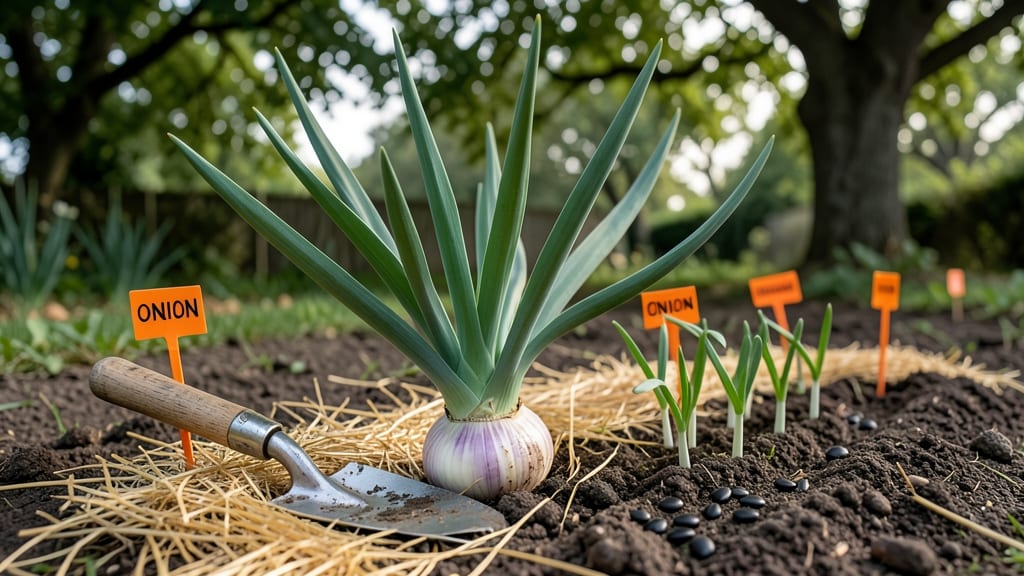
Timing your 🧅 onion planting in Oklahoma isn’t just about the calendar—it’s about dodging bolting and unlocking sweet, plump bulbs that’ll make your kitchen sing. One wrong move, and you’ll end up with bitter, seed-filled onions instead of the flavorful harvest you’re craving.
The key? Planting at the exact right moment for your variety and microclimate, whether you’re in the Panhandle’s cooler zones or the humid Southeast.
Most gardeners in USDA Zones 6b-8a swear by two windows: early spring (March-April) and fall (September-October). But here’s the catch—short-day onions (like Texas Early White) need cooler temps to form bulbs, while long-day varieties (such as Sweet Spanish) bolt faster in Oklahoma’s heat.
I’ll break down the precise planting dates for each type so you can avoid the heartbreak of wasted effort.
Beyond the calendar, Oklahoma’s microclimates throw curveballs. High plains areas can stay chilly longer, while eastern regions heat up faster—meaning your neighbor’s perfect timing might flop in your garden.
We’ll cover soil prep tricks, frost-free guidelines, and even how to stretch your season with row covers or sets instead of seeds. No more guessing games.
Ready to master the art of onion planting? By the end, you’ll know exactly when to plant for zero bolting risk, how to adjust for your specific corner of Oklahoma, and the simple steps to keep your harvest thriving from start to finish.
Let’s get those onions in the ground the right way.
Oklahoma onion planting calendar: months by variety to prevent bolting
Timing is everything when growing onions in Oklahoma, where day length and heat spikes can trigger bolting—turning your sweet onions into bitter, seed-filled disappointments. The key? Matching your onion variety to Oklahoma’s climate zones (USDA 6b-8a) and planting at the right time to avoid premature flowering.
Oklahoma’s short-day, intermediate-day, and long-day varieties each have ideal planting windows. Short-day onions (like Texas Early White) thrive when daylight is 10-12 hours, while long-day varieties (such as Sweet Spanish) need 14+ hours of daylight to form bulbs.
Planting at the wrong time can send your onions into bolting mode instead of bulb production.
Here’s your Oklahoma onion planting calendar by variety, broken down by region (Panhandle vs. Southeast) to maximize success:
| Variety Type | Best Planting Months | Days to Maturity | Oklahoma Region | Key Notes |
|---|---|---|---|---|
| Short-Day (e.g., Texas Early White) | March 1–15 (spring) or September 15–30 (fall) | 90–120 days | Panhandle (Zone 6b-7a) | Plant sets for earliest harvest; avoid late spring heat. |
| Intermediate-Day (e.g., Yellow Granex) | March 15–April 15 (spring) or September 1–15 (fall) | 100–130 days | Central Oklahoma (Zone 7a-7b) | Best for long storage; tolerate heat better than short-day types. |
| Long-Day (e.g., Sweet Spanish) | February 15–March 1 (spring only) | 120–150 days | Southeast (Zone 7b-8a) | Plant early to avoid bolting from long summer days. |
| Onion Sets (All Types) | March 1–April 15 (spring) or September 1–October 15 (fall) | 60–90 days | All Regions | Faster harvest; ideal for short seasons or late plantings. |
For spring plantings, aim to harvest before Oklahoma’s summer heat (after June 1) triggers bolting. In the Panhandle, where nights stay chilly longer, you can push spring plantings to mid-April.
Meanwhile, fall plantings should wrap up by October 15 to ensure bulbs mature before first frost (typically mid-November).
Pro tip: Use onion sets (small bulbs) instead of seeds for a 3-week head start. Sets are pre-sprouted and ready to grow, reducing your risk of bolting. For seeds, start them indoors 8–10 weeks before your target outdoor planting date to harden off seedlings before transplanting.
Oklahoma’s microclimates can shift planting dates by 2–4 weeks. For example, Tulsa’s longer growing season allows for later spring plantings compared to Amarillo’s shorter window. Always check your last frost date (typically March 15 in most areas) and adjust accordingly.
If you’re growing green onions (scallions) for quick harvests, you can plant them year-round in Oklahoma’s milder zones, but they’ll bolt faster in summer heat. For storage onions, focus on intermediate-day varieties like Yellow Granex, which handle Oklahoma’s 14-hour days better than long-day types.
Remember: Soil temperature matters too. Onions won’t sprout well in cold soil (below 50°F). Use a soil thermometer to confirm it’s 55–65°F before planting. If your soil is too cold, wait 1–2 weeks or use black plastic mulch to warm it up faster.
Bolting is your biggest enemy in Oklahoma’s unpredictable climate. By following this calendar and choosing the right variety for your region, you’ll minimize bolting risk and enjoy a bountiful harvest of sweet, storage-friendly onions.
How to adjust onion planting dates for Oklahoma’s microclimates
Oklahoma’s diverse microclimates can turn your onion planting schedule into a moving target. The Panhandle’s cooler high plains (like Altus or Guymon) often have later last frost dates (mid-April), while eastern regions (such as Tulsa or Oklahoma City) can warm up faster, pushing frost risks earlier.
This means your neighbor’s perfect March planting might leave your onions struggling—or bolting—if your soil stays cold longer.
To adapt, start by checking your local frost dates via the Oklahoma Mesonet or your county extension office. For example, in Zone 7a (like Lawton), you might plant yellow onion sets as early as February 20th, while in Zone 8a (like Ardmore), waiting until March 10th avoids frost damage.
The rule of thumb? Plant 4-6 weeks before your last frost for spring onions, but adjust 1-2 weeks later if your area tends to stay chilly.
For fall plantings, the stakes are even higher. In western Oklahoma, aim for September 1st to give bulbs time to mature before first frost (mid-November), while eastern gardens can stretch until September 15th.
Use row covers or black plastic mulch to extend the season—these can add 2-4 weeks of protection against early cold snaps. I’ve seen Texas Early White onions thrive in Zone 7b with row covers, producing harvests well into October.
🌱 Microclimate Adjustments for Oklahoma Onions
- ⏰ Panhandle (Zones 6b-7a): Plant sets by March 1st or seeds by April 15th to avoid late frosts.
- 🌡️ Central OK (Zones 7a-7b): Start seeds indoors by February 1st or direct-sow sets by March 10th.
- ☀️ Southeast (Zones 7b-8a): Plant fall onions by September 1st for harvest before frost.
- 🛡️ All Regions: Use row covers to add 2-4 weeks of growing time in spring/fall.
- 🌱 Bolting Risk: Choose short-day varieties (e.g., Texas Early White) for western OK; intermediate-day (e.g., Yellow Granex) for central/eastern.
Another trick? Swap seeds for sets in cooler microclimates. Sets (small bulbs) mature 2-3 weeks faster than seeds, giving you a head start in areas like Woodward or Beaver.
For example, I planted Texas Grano sets in early March in Zone 7a and harvested by June 1st—seeds wouldn’t have been ready in time. Just avoid sets in Zone 8a, where they often bolt before bulbing.
Soil temperature is your secret weapon. Use a soil thermometer to confirm 50°F+ before planting seeds or 55°F+ for sets. In western Oklahoma, wait until April 1st to avoid cold soil stunting growth.
In eastern OK, you might hit that mark by March 15th. Pro tip: Black plastic mulch warms soil 5-10°F faster than bare earth, shaving 1-2 weeks off your planting timeline.
Finally, don’t overlook shade cloth for summer plantings. In Zone 8a, I’ve used 30% shade cloth to protect Sweet Spanish onions from bolting when temps hit 90°F+. This simple hack can extend your harvest window by 3-4 weeks in Oklahoma’s hottest months.
Pair it with drip irrigation to keep soil moisture consistent, and you’ll outsmart even the most stubborn microclimate.