
Plants
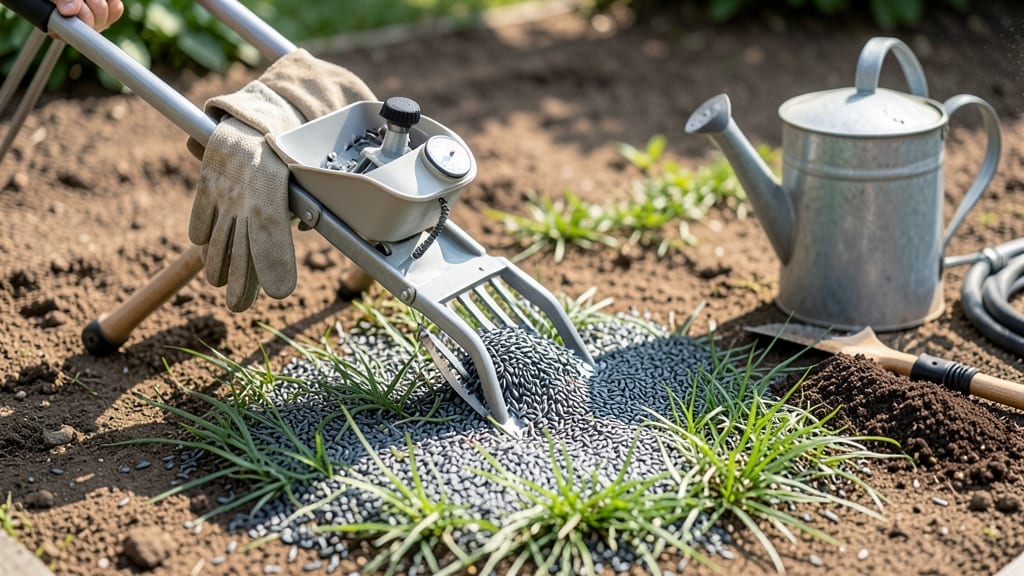
Planting grass seed in the fall can mean the difference between a lush, green lawn next spring and a patchy, weed-infested mess. The secret lies in timing—too early, and frost will nip your efforts in the bud; too late, and weeds will steal the show. For USDA Zone 6 (like much of the Midwest and Northeast), the ideal window is late August to early October, when soil temps hover between 50°F and 65°F—perfect for germination without overheating.
Why does fall work so well? Cooler air and damp soil create ideal conditions for 🌱 Grass (Turfgrass) roots to establish before winter dormancy. Plus, fewer weeds compete for space, giving your new grass a fighting chance.
But don’t wait until the first frost—plant 4-6 weeks before that date to avoid stunted growth.
In this guide, I’ll break down the exact deadlines by region, soil prep steps to maximize success, and common mistakes that sabotage lawns. Whether you’re refreshing a tired yard or starting fresh, these tips will help you time it right for a lawn that thrives year-round.
Ready to transform your outdoor space? Let’s dive into the best practices so your grass gets a head start on spring—and outpaces those pesky weeds.
Fall grass seed planting deadlines by US region (soil temp guide)
Timing your grass seed planting in fall is all about soil temperatures and regional frost dates. Aim for 4-6 weeks before the first frost when soil temps stay between 50–65°F. This window ensures seeds germinate before winter dormancy sets in, giving roots time to establish.
Cooler fall weather also means fewer weeds and less stress on new grass. Southern regions can plant later, while northern areas must act quickly. Missing this window risks frost damage or weed competition from creeping plants like chickweed.
Here’s how to adjust your planting schedule based on your USDA hardiness zone and local climate. Use a soil thermometer to confirm temps—don’t guess!
| Region | Ideal Planting Window | Soil Temp Range | Key Deadline |
|---|---|---|---|
| Northern US (Zones 3-5) | Late August to mid-September | 50–60°F | 6 weeks before first frost (usually mid-October) |
| Midwest (Zones 6-7) | Mid-September to early October | 55–65°F | 4 weeks before frost (late October) |
| Southern US (Zones 8-10) | Late September to November | 60–70°F | 3 weeks before first frost (varies by state) |
| Pacific Northwest (Zones 7-9) | Early September to October | 50–60°F | 5 weeks before frost (early November) |
For northern states like Minnesota or Maine, start by late August to avoid early frosts. In warmer climates like Texas or Florida, you can plant as late as November, but check for hurricane season risks.
Pro tip: Use the National Weather Service’s frost prediction map to pinpoint your local deadline. Bookmark it now—you’ll thank me when your lawn outpaces your neighbor’s!
If you’re in transition zones (e.g., Zone 7b), err on the earlier side. Cooler nights can drop soil temps faster than expected, stalling germination. A lightweight row cover can buy you 1–2 extra weeks if frost threatens.
Remember: Cool-season grasses (like fescue or ryegrass) thrive in fall, while warm-season grasses (like Bermuda) need spring planting. Always match your grass type to your climate zone.
Missed the window? Don’t panic. Winter overseeding (for cool-season grasses) can still work if soil stays above 35°F. Just reduce watering to prevent rot.
Now that you’ve got your planting deadline, let’s tackle soil prep—the secret weapon for 90% germination rates. 🌱
How to prepare soil for fall grass seed (step-by-step prep)
Preparing your soil before planting grass seed in the fall is the difference between a thin, patchy lawn and a thick, weed-resistant carpet of green. The key? Loosening compacted soil, balancing nutrients, and creating the perfect seedbed.
I’ll walk you through each step—from testing to topdressing—so your new grass gets the ideal foundation to establish roots before winter.
Start by testing your soil pH and nutrient levels. Grass thrives in slightly acidic to neutral soil (pH 6.0–7.0). Grab a soil test kit (or send a sample to your local extension office) to check for deficiencies.
If your soil is too alkaline, add sulfur or peat moss; if too acidic, use lime. This prep step alone can boost germination rates by 30–50%.
🌱 Did You Know? Fall soil prep is easier than spring because cooler temps mean less evaporation, so amendments like compost stay effective longer.
Step-by-Step Soil Prep for Fall Grass Seed
- Test Soil: Use a pH test kit to check levels (target: 6.0–7.0). Adjust with lime or sulfur if needed.
- Aerate Lawn: Rent a core aerator to pull 3–4 inch plugs from compacted soil. Do this 2–4 weeks before planting.
- Remove Debris: Rake away thatch, rocks, and dead grass to expose fresh soil. Aim for a clean, level surface.
- Add Compost: Spread ¼ inch of compost or well-rotted manure over the area. This boosts organic matter and moisture retention.
- Level & Smooth: Use a lawn rake to fill low spots and smooth bumps. A level seedbed ensures even water distribution.
- Topdress Lightly: Apply a thin layer (¼ inch) of peat moss or sand to improve seed-to-soil contact.
Don’t skip the aeration step—compacted soil is the #1 enemy of new grass roots. If your lawn feels spongy when you walk on it, you need aeration.
For small areas, a manual aerator works; for larger yards, rent a core aerator. Time it 2–4 weeks before planting to let soil settle and improve drainage.
After prepping, water deeply to settle the soil and encourage seed-to-soil contact. Aim for 1 inch of water per week (more if your area is dry). Keep the soil moist but not soggy—this is critical for germination.
A light mulch of straw (not hay!) can help retain moisture and protect seeds from birds.
Pro tip: If your lawn has weed pressure, spot-treat with a pre-emergent herbicide 2 weeks before planting. This stops weeds from germinating while your grass gets established. Avoid post-emergent herbicides—they’ll kill your new seedlings too!