
Plants
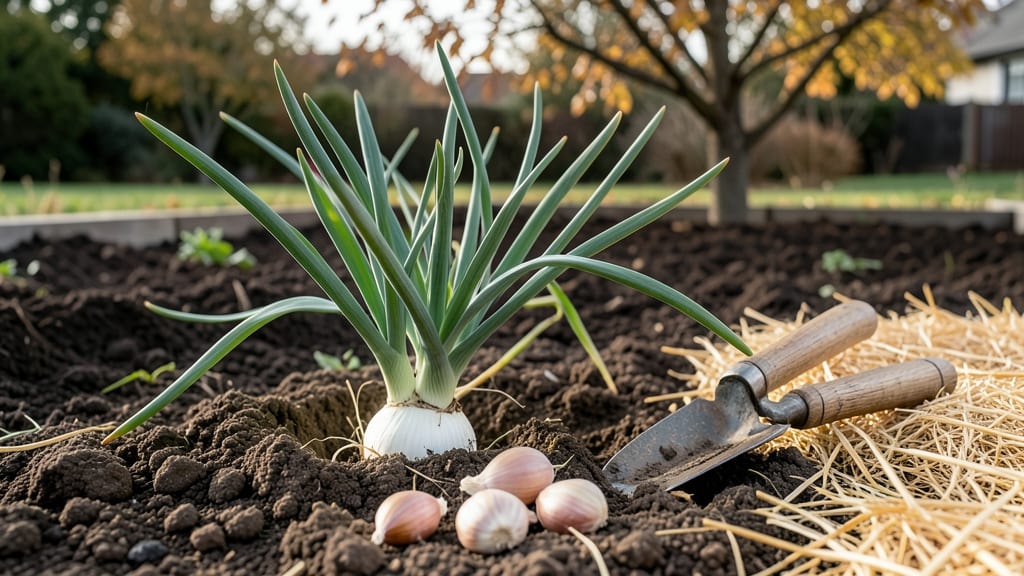
Planting garlic in Pennsylvania at the right time can mean the difference between a bumper crop of plump 🧄 bulbs and disappointing harvests. The key isn't just knowing when to plant—it's understanding how hardneck and softneck varieties each demand different strategies to thrive in your local climate zones.
For Pennsylvania gardeners in zones 5b-7a, timing matters more than you might think. Hardneck varieties need to be in the ground by October or November, while softneck types offer a slightly extended window. But getting it wrong could leave you with stunted growth or even total failure.
I'll walk you through the exact planting schedule for both types, plus soil prep tips tailored to Pennsylvania's frost dates. Whether you're a backyard gardener or a small-scale farmer, these insights will help you maximize your garlic harvest next summer.
Ready to grow the best garlic your neighbors have ever seen? Let's dive into the planting calendar that works for your region—and why getting it right from day one makes all the difference.
Best planting months for hardneck vs softneck garlic in Pennsylvania
Pennsylvania’s USDA zones 5b-7a create a unique challenge for garlic growers: hardneck varieties need cold winters to form bulbs, while softneck varieties tolerate milder conditions. The key is planting at the right time to align with your local first frost date—typically around October 15 in most of the state.
For hardneck garlic, the ideal window is mid-October to early November, when soil temperatures drop to 40-50°F. This gives cloves time to root before winter dormancy begins. Softneck garlic, however, offers more flexibility—you can plant as late as December or even early spring (March) in warmer microclimates.
Here’s the critical difference: hardneck bulbs need 40-60 days of cold below 40°F to form properly, while softneck varieties don’t require this chilling period. If you miss the fall window, softneck is your backup plan for a smaller harvest.
| Variety | Best Planting Months | Soil Temp | Notes |
|---|---|---|---|
| Hardneck | Mid-October to early November | 40-50°F | Needs cold winter; larger bulbs |
| Softneck | Late October to December or March | 40-60°F | No cold requirement; smaller bulbs |
The Pittsburgh region (Zone 6a) typically has an earlier frost than Philadelphia (Zone 7a), so adjust your timing accordingly. In mountainous areas like the Poconos (Zone 5b), plant 2-3 weeks earlier to account for colder soils. Use a soil thermometer to confirm temperatures before planting.
Pro tip: If you’re unsure about your last frost date, check the Penn State Extension’s frost calendar or use the National Weather Service’s climate data. These resources provide localized forecasts that can save your harvest from late-season surprises.
For hardneck varieties, aim for 6-8 weeks before ground freeze. If you plant too early, cloves may sprout prematurely; too late, and they won’t establish roots before winter. Softneck garlic, on the other hand, can handle a later planting—even into December—but expect smaller bulbs.
Don’t overlook soil preparation. Work in 2-3 inches of compost and ensure your soil drains well. Garlic hates soggy conditions, which can lead to rot. If your soil is heavy clay, consider planting in raised beds for better drainage.
Once planted, mulch heavily with straw or leaves (4-6 inches) to insulate bulbs during winter. This protects them from freeze-thaw cycles and keeps soil temperatures stable. In urban areas like Philadelphia, where heat islands can delay frost, you might need to plant 1-2 weeks later than rural areas.
Remember: The goal is dormancy before winter sets in. For hardneck garlic, this means 60 days of cold—so if your winters are mild (like in Zone 7a), you may need to plant earlier or use a cold frame to extend the chilling period.
If you’re new to garlic growing, start with hardneck varieties like ‘Music’ or ‘German White’, which are well-suited to Pennsylvania’s climate. These varieties produce larger bulbs and are more forgiving of timing mistakes. For softneck, try ‘Silverskin’ or ‘Artichoke’, which store longer but yield smaller cloves.
How to adjust garlic planting for Pennsylvania’s microclimates
Pennsylvania’s diverse geography means your garlic planting schedule should vary depending on whether you’re in Pittsburgh’s urban heat zones, Philadelphia’s coastal climate, or the rural Appalachian highlands.
Each microclimate affects soil temperature, frost dates, and even deer pressure—so one-size-fits-all advice won’t cut it. Let’s break down how to fine-tune your planting for these key regions.
Urban areas like Philadelphia often experience earlier soil warming due to pavement and buildings, while rural zones in the Poconos can have later frosts and colder soils. Even within cities, south-facing gardens may be ready 2-3 weeks earlier than north-facing beds. Adjusting your timeline by just a few weeks can mean the difference between thriving bulbs and stunted growth.
For urban gardeners, raised beds warm up faster—plant 1-2 weeks earlier than in-ground soil. If you’re in Zone 7a (e.g., Lancaster), you might even squeeze in a late December planting for softneck varieties, but only if your soil hasn’t frozen solid.
Test soil temperature with a thermometer—aim for 40-50°F at planting depth (4 inches).
Rural areas often face deer pressure, so protect young shoots with chicken wire cages or plant near deer-resistant companions like rosemary or thyme. In southern PA (Zone 7b), where winters are milder, you can push softneck garlic planting to early January, but hardneck varieties will bolt prematurely if planted too late.
Soil prep is just as critical as timing. Amend heavy clay soils with compost or sand to improve drainage, and avoid fresh manure—it can burn garlic roots. Work in 1-2 inches of compost before planting, and add a balanced fertilizer (10-10-10) in early spring once shoots emerge.
Pro Tip: Mark your planting dates with stakes or flags—next year’s memory won’t match the precision of a written record. And if you’re new to garlic growing, start small with 3-5 cloves to test your local conditions before scaling up.
🌱