
Plants
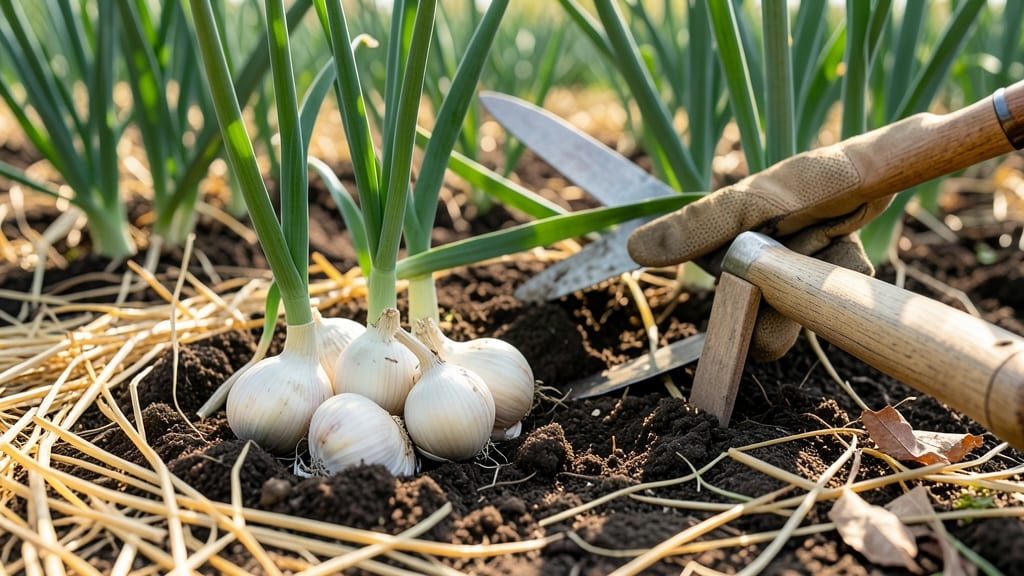
If you’ve ever wondered when to plant garlic in Pennsylvania, timing isn’t just important—it’s the difference between a bumper crop and a disappointing harvest. Fall planting is your golden ticket to juicy, flavorful bulbs next summer, but getting it wrong means struggling with weak growth or wasted effort.
Pennsylvania’s USDA Zones 5b-6b give you a narrow but critical window—typically between October and November—to get those cloves in the ground. The key? Planting 4-6 weeks before the first hard frost, so the roots establish before winter sets in.
Skip this step, and you risk stunted garlic or even total failure.
I’ve grown garlic here for years, and I’ve learned the hard way that rushing or waiting too long throws off the whole process. The good news? With the right variety and a little prep, you can turn your garden into a garlic powerhouse.
Let’s break down exactly when—and how—to plant for the best results.
Whether you’re a seasoned gardener or just starting, mastering this timing will save you headaches and give you bulbs that rival store-bought (but taste 10 times better). Ready to dig in?
Best fall planting dates for garlic in Pennsylvania’s USDA Zones 5b-6b
Pennsylvania’s USDA Zones 5b-6b offer the perfect climate for growing hardneck garlic, but timing your fall planting is critical. Plant too early, and your cloves may sprout prematurely; too late, and they won’t establish roots before winter.
The ideal window is 4-6 weeks before the ground freezes, ensuring bulbs develop properly during dormancy.
For Zone 5b (e.g., Pittsburgh, State College), aim to plant between October 1st and November 15th. In Zone 6b (e.g., Philadelphia, Lancaster), you have a slightly longer window—October 15th to December 1st.
These dates align with soil temperatures dropping to 40-50°F, which triggers root growth without encouraging early sprouting.
Use the USDA Plant Hardiness Zone Map to confirm your exact zone, as microclimates can shift planting dates by 1-2 weeks. For example, higher elevations (like the Pocono Mountains) may need earlier planting, while urban areas with heat islands might extend the window slightly.
| Zone | Ideal Planting Window | Soil Temp for Planting | First Frost Date | Key Tip |
|---|---|---|---|---|
| Zone 5b | October 1 – November 15 | 40–50°F | October 20 | Plant by November 15 to avoid frost damage. |
| Zone 6b | October 15 – December 1 | 40–50°F | November 5 | Later planting works due to milder winters. |
| All Zones | 4–6 weeks before ground freezes | 40–50°F | Varies | Use a soil thermometer to confirm readiness. |
Adjust your planting date if unseasonably warm or cold weather arrives. For example, if temperatures stay above 60°F in late October, delay planting to avoid sprouting. Conversely, if a hard freeze is forecast before your target date, plant earlier to ensure root establishment.
Pro tip: Use a soil thermometer to check temperatures at 4-inch depth. Garlic cloves need 40–50°F soil to root but won’t sprout until spring. Plant when soil hits 50°F consistently for 3–5 days to balance root growth and dormancy.
In Pennsylvania, hardneck garlic thrives with cold winters, so don’t rush planting. The vernalization process (exposure to cold) is essential for bulb development. If you miss the fall window, you can try spring planting, but yields will be 30–50% smaller due to shorter growing season.
For container gardening, plant garlic in October–November as well, but use well-draining pots and place them in a protected location (e.g., against a south-facing wall). Containers warm up faster, so monitor soil moisture closely during winter thaws to prevent rot.
After planting, mulch heavily with straw or leaves (4–6 inches) to insulate bulbs from freeze-thaw cycles. This protects roots and prevents heaving (bulbs pushing out of the soil). Remove mulch in early spring once new growth appears.
Remember: Garlic planted in fall will emerge in late winter/early spring, but it needs those 60–90 days of cold to form bulbs. Skipping this step means smaller, less flavorful harvests—so mark your calendar and plant on time!
Best fall planting dates for garlic in Pennsylvania’s USDA Zones 5b-6b
Pennsylvania’s USDA Zones 5b and 6b create distinct planting windows for garlic, but both rely on the same core principle: plant 4-6 weeks before the first hard frost.
In Zone 5b (e.g., Pittsburgh, State College), aim for mid-October to early November, while Zone 6b gardeners (e.g., Harrisburg, Lancaster) have a slightly later window of late October to mid-November. These dates ensure roots establish before winter dormancy.
Soil temperature is your secret weapon—garlic cloves need 40-50°F soil to sprout successfully. Use a soil thermometer to confirm readiness; if temps drop below 32°F, your cloves may rot. Pro tip: Plant in well-draining soil enriched with compost to prevent waterlogging during Pennsylvania’s unpredictable fall rains.
Miss the window? Don’t panic. You can still plant garlic in early spring (March), but bulbs will be 30-50% smaller than fall-planted varieties. Spring garlic is a backup plan, not a first choice—think of it as a consolation prize for late starters.
| USDA Zone | Ideal Planting Window | Soil Temp Requirement | First Frost Date | Adjustment Tip |
|---|---|---|---|---|
| Zone 5b | Mid-October to early November | 40-50°F | October 20 | Plant by October 15 for safety |
| Zone 6b | Late October to mid-November | 40-50°F | October 5 | Plant by November 1 for best results |
Local microclimates can shift these dates by 1-2 weeks. For example, higher elevations (like the Poconos) may need earlier planting, while urban areas (like Philadelphia) can wait slightly longer. Check your last frost date using the Penn State Extension’s frost calendar—it’s your gardening GPS.
Pro move: Mark your calendar for October 15 as your "plant by" deadline in Zone 5b. In Zone 6b, aim for November 1. Use a garden flag to track progress—garlic needs 6-8 weeks of root growth before winter sets in.
If you’re unsure, err on the earlier side; garlic can handle light frosts once planted.
Remember, garlic planted in fall will overwinter and emerge in spring, ready to bolt into flavor-packed bulbs by July. The earlier you plant within the window, the larger your harvest—so don’t wait until the last minute!
With these dates locked in, you’re ready to choose the right varieties for Pennsylvania’s climate.