
Plants
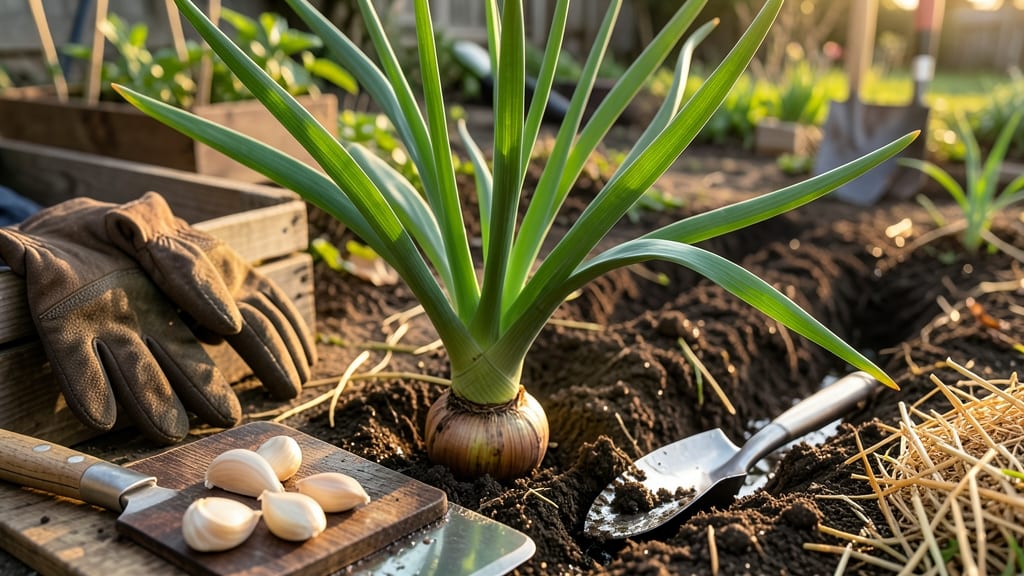
If you've ever wondered when to plant garlic in North Carolina for the biggest, most flavorful bulbs, you're not alone. The answer depends on your specific region—whether you're in the cooler mountains or the warmer coastal plains—because timing is everything for this cold-hardy crop. 🧄
Most North Carolina gardeners swear by fall planting, typically between October and November, when soil temperatures drop and the ground begins to freeze. This gives garlic the chill hours it needs to develop properly, especially for hardneck varieties that thrive in zones 6b-8a.
But did you know spring planting (February-March) can also work if you choose the right varieties?
What sets successful garlic growers apart isn't just the planting window—it's understanding how to prepare your soil, protect cloves from pests, and time your harvest for peak flavor. I'll break down the exact steps to match your microclimate, whether you're in the Piedmont, Coastal Plain, or mountains.
Ready to grow garlic that rivals the best from the farmers' market? Let's dive into the secrets of planting at the perfect moment for your corner of North Carolina—because the difference between a mediocre harvest and a showstopper often comes down to these simple but critical timing decisions.
North Carolina’s hardneck garlic planting zones: chill-hours explained
North Carolina’s diverse climate means garlic planting success depends on chill-hours—the number of hours below 40°F (4°C) your garlic needs to form bulbs. Most hardneck varieties (like ‘Music’ or ‘German White’) thrive with 30-60 chill-hours, while softneck types need 15-30 chill-hours.
Since NC spans USDA Zones 6b-8a, your location dictates the best planting window.
In the Coastal Plain (Zones 7b-8a), mild winters mean fewer chill-hours, so softneck varieties like ‘Silverskin’ work best. Move inland to the Piedmont (Zones 7a-7b), and you’ll have enough chill for hardneck garlic.
The Mountains (Zones 6b-7a) offer the coldest winters, perfect for high-chill hardnecks like ‘Chesnok Red’.
Here’s how to match your garlic variety to NC’s regions for optimal bulb size and flavor development:
| Region | USDA Zone | Chill-Hours | Best Variety | Planting Window |
|---|---|---|---|---|
| Coastal Plain | 7b-8a | 15-30 | Silverskin, Artichoke | Oct-Nov or Feb-Mar |
| Piedmont | 7a-7b | 30-50 | Music, German White | Nov-Dec |
| Mountains | 6b-7a | 50-80 | Chesnok Red, Rocambole | Oct |
If you’re unsure about your chill-hours, check your local Cooperative Extension Service or use a weather station app to track winter lows. For urban gardeners, microclimates matter—plant near stone walls or north-facing buildings to extend chill exposure.
Pro tip: Pre-sprouting cloves (soaking in water for 24 hours before planting) can help softneck varieties in warmer zones like Coastal NC. This jumpstarts growth, giving them a head start in shorter winters.
Once you’ve matched your garlic variety to your chill-hours, the next step is timing. In NC, fall planting is ideal because garlic grows best when cooled by winter and warmed by spring. But the exact month depends on your region—and we’ll break that down in the next section.
🌱
Step-by-step planting timeline: when to plant garlic in NC’s 4 key regions
North Carolina’s varied climate means your garlic planting window depends on whether you’re in the Coastal Plain, Piedmont, Mountains, or even an urban garden. For hardneck garlic, fall planting is ideal—aim to get cloves in the ground 4-6 weeks before the first frost.
This gives roots time to establish before winter dormancy.
In the Mountains (USDA Zone 6b), where winters are colder, plant between mid-October and November 1st. The Piedmont (Zone 7a-7b) has a slightly longer window—late October to mid-November. Meanwhile, the Coastal Plain (Zone 8a) can wait until November 15th to December 1st due to milder winters.
Here’s your region-specific planting timeline, including soil prep and frost strategies:
Mid-October - November 1
Soil temp should be 40-50°F. Use 4-6 inch mulch (straw or leaves) after planting to insulate bulbs.
Late October - Mid-November
Test soil pH (6.0-7.0) and amend with compost. Hardneck varieties like ‘Music’ or ‘German White’ thrive here.
November 15 - December 1
Plant softneck varieties (like ‘Silverskin’) if winters are too mild for hardneck. Use black plastic mulch to warm soil.
October 15 - November 15
Container planting works! Use well-draining pots (12"+ depth) and plant 2 cloves per pot. Move to garage/shed if temps drop below 20°F.
Spring planting (February-March) is possible but riskier—bulbs may bolt before maturing. If you miss fall, opt for softneck varieties, which tolerate warmer winters better. Always plant pointy-end up and 2 inches deep for best results.
Pro tip: Check your local Cooperative Extension office for first frost dates—they’re your planting deadline! For example, Asheville (Zone 7a) averages first frost on November 1st, while Wilmington (Zone 8a) waits until November 15th.
Once planted, garlic needs consistent moisture but no standing water. Water deeply once a week until ground freezes, then let snow cover protect roots. By late June, you’ll harvest plump bulbs ready for braiding or storing!