
Plants
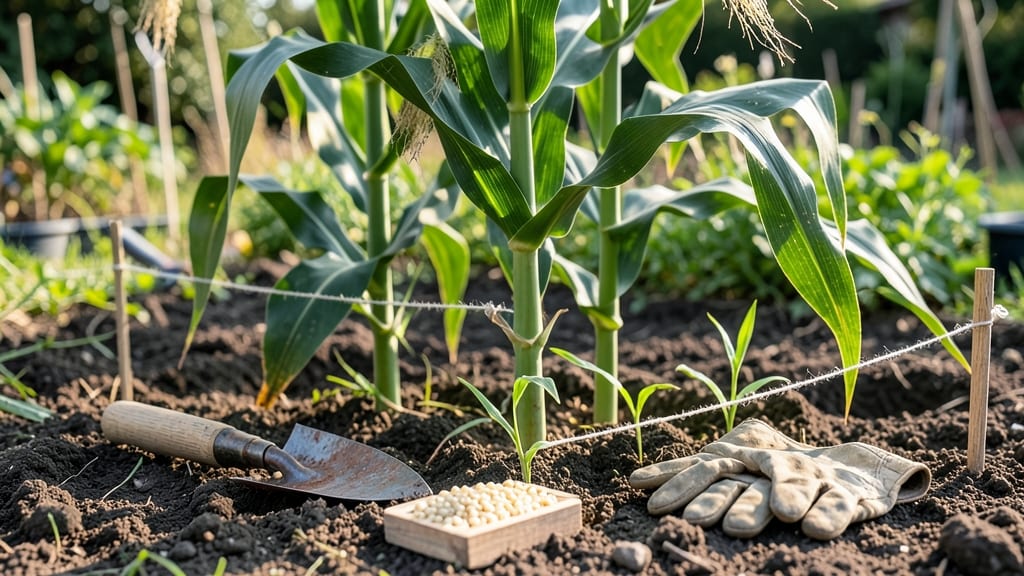
Timing your corn planting in Zone 8a isn't just about avoiding frost—it's about unlocking the peak yield your garden deserves. With the right window, you can transform a good harvest into an exceptional one, especially when you account for the region's unique climate quirks.
Most gardeners in Zone 8a know the general rule: wait until after the last frost, which typically lands around mid-April. But what if your microclimate runs warmer? Or if you're dealing with unpredictable spring weather?
The key is planting between mid-April and early May, when soil temperatures consistently hit 60°F—the sweet spot for corn germination.
Here's what you'll discover: how to calculate your exact last frost date, why soil temperature matters more than air temperature, and how to adjust for Zone 8a's summer heat. These insights will help you avoid common mistakes that lead to stunted growth or poor pollination.
Let's get your corn off to the best possible start—because in Zone 8a, a few weeks can make all the difference between a handful of ears and a towering stand of 🌽 ready for harvest by late summer.
Optimal planting weeks before last frost in Zone 8a for corn
Corn thrives in Zone 8a, but getting the timing right is everything. The average last frost date here is around March 15, but microclimates can shift that by 2–3 weeks.
For peak yields, aim to plant corn 2–3 weeks after your last frost—typically mid-April to early May. This ensures soil temperatures hit the 60°F minimum corn needs to germinate. 🌱
Zone 8a’s longer growing season (about 240 frost-free days) lets you experiment with succession planting or even a fall crop for late varieties. However, corn planted too early risks rot from cool soils, while late planting may not mature before first frost in November.
Balance is key! ✂️
Soil temperature is your best guide—wait until it consistently stays above 60°F at 4 inches deep. Use a soil thermometer or check local agricultural extension service reports for real-time data. Corn seeds won’t sprout below 50°F, so patience pays off. 🌡️
Here’s a quick Zone 8a planting timeline to follow: March 15–April 15: Monitor soil temps; prepare beds. April 15–May 1: Ideal window for spring planting. June 15–July 1: Last chance for fall varieties (fast-maturing types only). August 1: Too late for most corn—focus on succession crops like beans or greens. 📅
| Stage | Action | Notes |
|---|---|---|
| Soil Prep | Test pH (6.0–7.0); amend with compost | Use a soil test kit for accuracy |
| Planting Window | Mid-April to early May | After last frost, soil ≥60°F |
| Depth | 1–1.5 inches | Deeper in dry soil; shallower in wet |
| Spacing | 4–6 inches apart, rows 30–36 inches apart | Taller varieties need wider rows |
| Germination | 7–14 days | Keep soil moist; avoid flooding |
| Harvest Window | Late August to October | 80–120 days after planting |
For Zone 8a gardeners, succession planting is a game-changer. Sow corn every 2 weeks until June 1 to stretch your harvest. This works best with fast-maturing varieties (60–80 days to maturity), like 'Silver Queen' or 'Ambrosia'.
Just ensure each batch gets full sun and consistent water to avoid stunted growth. 🌽
If you’re in a warmer microclimate (e.g., near water or urban heat islands), you might push planting to early April. Conversely, higher elevations or cooler pockets may need to wait until late April. Use a frost calendar from your local USDA service to refine your schedule. 🌡️
Pro tip: Plant corn blocks (not rows) to improve pollination. This means spacing plants in square grids (e.g., 36 inches apart in all directions) instead of straight lines. It boosts yields by 20–30% because wind can carry pollen more efficiently. 🌬️
Fall planting is tricky in Zone 8a but possible with short-season varieties. Aim for late June to early July plantings, using types like 'Early Sunglow' (70 days to harvest). These need to mature before first frost in November, so monitor weather forecasts closely. 📋
Finally, don’t rush—corn won’t tolerate cold soil. If your soil thermometer shows temps below 60°F, wait. Rushing leads to poor germination and weak seedlings. Patience now means plump, sweet ears later. 💧
Optimal planting weeks before last frost in Zone 8a for corn
In Zone 8a, corn thrives when planted 2–4 weeks after your average last frost date. For most areas, this lands between mid-April and early May.
However, soil temperature matters more than calendar dates—corn needs 60°F+ soil to germinate properly. Use a soil thermometer to confirm readiness before planting.
Zone 8a’s last frost date typically falls around March 15, but microclimates (like urban heat islands or valley locations) can shift this by 1–2 weeks. Check local weather records or use the USDA Plant Hardiness Zone Map to pinpoint your exact window.
For example, coastal areas may have later frosts than inland spots.
Corn’s growing season spans 80–120 days, so late plantings risk stunted growth. Aim to finish harvesting before first frost (November 15). If you’re pushing the season, opt for early-maturing varieties (60–70 days to harvest) to ensure success.
For fall planting, Zone 8a’s long growing season allows late sowings in July or August if you choose fast-maturing varieties (e.g., 'Early Sunglow' at 65 days). However, fall corn may struggle with shorter daylight and heat stress, so prioritize shade-tolerant types and mulch heavily to retain moisture.
Pro tip: Use black plastic mulch to warm soil faster in spring or straw mulch to conserve moisture in summer. Both tricks help extend your planting window by 1–2 weeks in either direction. Pair this with drip irrigation to avoid fungal issues from overhead watering.
If your last frost date varies yearly, err on the side of earlier planting. Corn’s slow start means late plantings rarely catch up. For example, seeds sown in late May may only reach harvest size by October, leaving them vulnerable to early frosts.
Plan ahead to avoid this common mistake!