
Plants
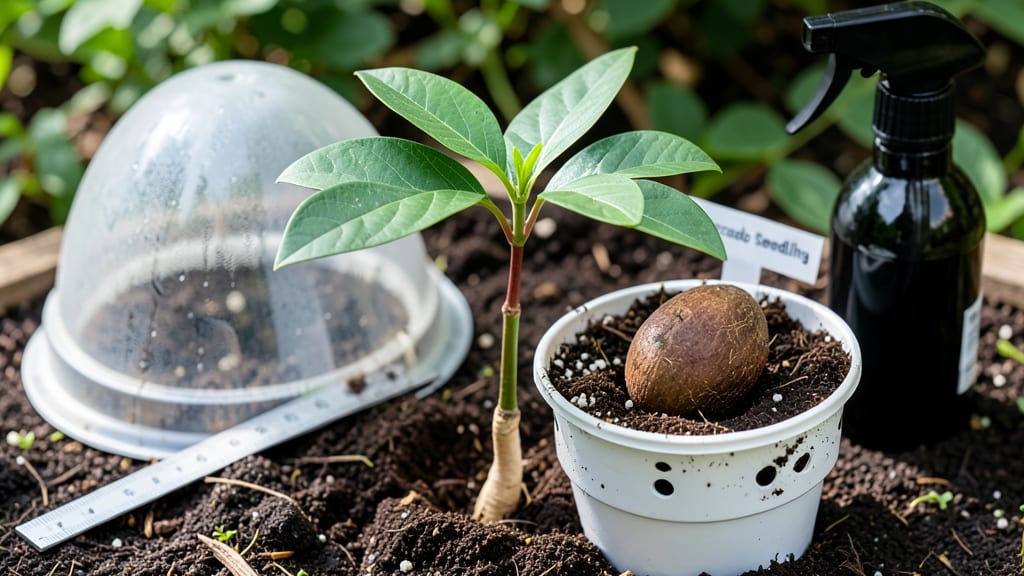
When do you plant an avocado seed in soil? Timing this transition could mean the difference between a thriving 🥑 sapling and a failed experiment. Most gardeners rush this step, but patience—and knowing the right cues—is what separates success from disappointment.
While you might be eager to plant as soon as roots appear, waiting too long or too short can stress your seedling. The ideal moment arrives when roots reach 2-3 inches and a small stem emerges, signaling it’s ready to adapt to soil.
This usually happens 4-8 weeks after starting in water, depending on warmth and humidity.
Climate plays a crucial role: in warmer regions, you can transplant as early as late spring, while cooler areas may need to wait until summer when soil temperatures consistently stay above 60°F. Indoor starters can go in soil anytime, but outdoor plantings should align with your local frost-free window.
Once you’ve spotted those key growth signs, the next challenge is creating the perfect soil environment—drainage, nutrients, and moisture all matter. Let’s break down exactly how to make this transition smooth for your future avocado tree.
Avocado seed germination timeline: when to expect sprouting before soil
Timing is everything when growing an avocado tree from seed. The germination process can take anywhere from 2 to 12 weeks, depending on your climate and care.
Most seeds sprout within 4-8 weeks if kept in warm, moist conditions. Understanding these stages helps you know when to transition your seedling from water to soil.
First, you’ll notice a white root emerging from the bottom of the seed. This signals the start of germination. Within 1-2 weeks, a small stem will appear, followed by the first leaves.
These early signs tell you it’s time to prepare for transplanting—just don’t rush it. Patience ensures your seedling is strong enough to handle soil.
Temperature plays a critical role in germination speed. Ideal conditions are 70-85°F. If your home is cooler, germination may take longer. Humidity also matters; keeping the seed in a humid environment (like a plastic bag with small holes) speeds up the process.
Avoid direct sunlight during this stage—bright, indirect light is best.
Once the seedling reaches 6 inches tall and has a sturdy stem, it’s ready for soil. This usually happens 6-12 weeks after germination. However, don’t wait too long—seedlings over 12 inches tall may struggle to adapt. The key is balancing growth with stability before transplanting.
| Germination Stage | Timeframe | Key Indicators | Action |
|---|---|---|---|
| Root Emergence | 1-3 weeks | White root appears | Keep moist, indirect light |
| Stem Growth | 3-6 weeks | Small stem + first leaves | Increase light gradually |
| Leaf Development | 6-12 weeks | 6+ inches tall, sturdy | Prepare for soil transplant |
Climate zones affect germination timing significantly. In warm climates (Zones 10-11), seeds may sprout in 3-5 weeks. In cooler zones (Zones 8-9), expect 8-12 weeks. If you’re in a colder region, start seeds indoors near a sunny window or under grow lights to maintain warmth.
Light exposure is another critical factor. Once the seedling has 2-3 leaves, introduce it to bright, indirect sunlight for a few hours daily. Avoid harsh midday sun, which can scorch delicate leaves. Gradually increase sunlight to 6 hours per day as the seedling matures.
Watch for signs of overwatering, like yellowing leaves or mushy stems. Avocado seedlings are sensitive to root rot, so ensure the water in your jar or container has good drainage.
If the water becomes stagnant or smells foul, refresh it immediately. Healthy roots mean a stronger seedling ready for soil.
By the time your seedling reaches 6-8 inches with a firm stem, it’s time to transition to soil. This usually occurs 8-12 weeks after germination. The goal is to plant before the seedling becomes top-heavy or outgrows its current environment. A well-timed transplant sets the stage for robust growth.
Remember, every avocado seed is unique. Some may germinate faster or slower based on genetics. Pay attention to your seedling’s growth rate and health rather than relying solely on a timeline. Adjust your care based on what you observe—this is how you’ll achieve the best results.
Optimal soil planting conditions for avocado seeds: what to watch for
Transplanting your avocado seed into soil too early can stunt growth, while waiting too long risks root rot or shock. The key is watching for three critical signs: roots reaching 2-3 inches, a 1-2 inch stem, and the first tiny leaves.
These indicate your seedling has developed enough resilience to handle soil.
When checking your seed, look for white, fibrous roots (healthy) rather than brown or mushy ones (rot). The stem should feel firm but flexible, not brittle or limp. These cues mean your seedling is ready for the next phase—soil planting.
Soil temperature is non-negotiable: aim for 60°F or warmer. Cold soil shocks roots, slowing growth or causing death. Use a soil thermometer to confirm—if it’s below 60°F, wait or plant indoors under grow lights until conditions improve.
Planting in cool soil (<55°F) can kill your seedling. Roots struggle to absorb nutrients, leading to stunted growth or fungal infections. Always check soil temp before transplanting!
Drainage is equally critical. Avocado seeds hate soggy soil—use a mix of 50% potting soil, 30% perlite, and 20% compost to ensure excess water drains away. A pot with drainage holes is a must; without them, roots suffocate.
Humidity matters too, especially in dry climates. After planting, group seedlings together or use a clear plastic bag (like a propagator) to retain moisture while roots adjust. Remove the bag after 7-10 days to avoid mold.
Finally, avoid transplanting during peak heat (afternoon sun) or windy days. Shock weakens seedlings, so choose a cloudy morning or evening for the move. Water thoroughly before and after planting to reduce stress.