
Plants
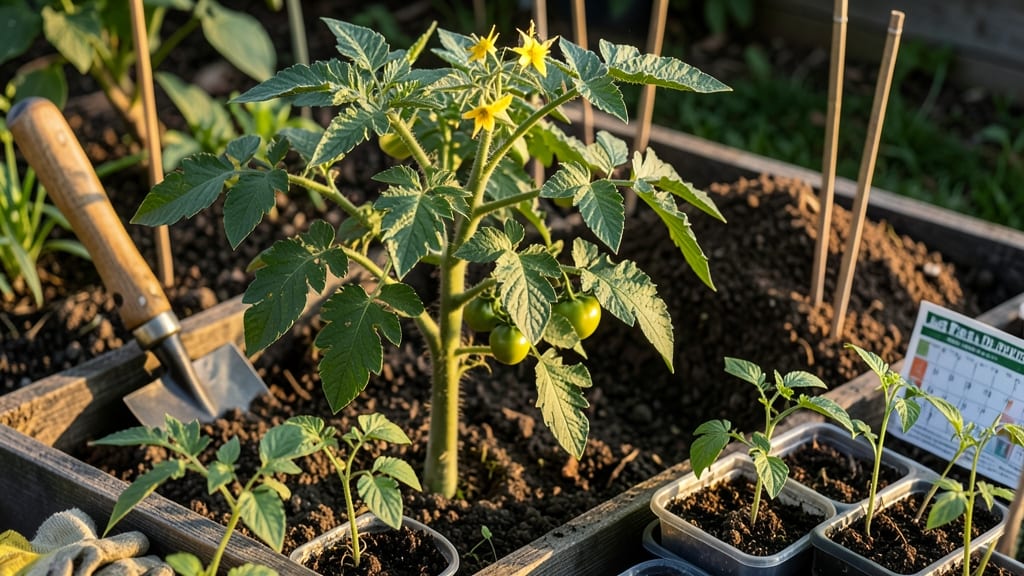
If you’ve ever wondered when can you plant tomatoes in Massachusetts, the answer isn’t just about the calendar—it’s about outsmarting frost, soil warmth, and your local microclimate. 🍅 Whether you’re a first-time gardener in Boston or a seasoned grower in Springfield, getting those seedlings in the ground at the right time means the difference between a bumper crop and a sad, wilted disappointment.
The key is patience and precision: Massachusetts’ Zone 5b-6b climate demands waiting until after the last frost—typically mid-April to early June—but rushing too soon can leave your plants vulnerable.
I’ll break down the exact windows, soil temperature secrets, and even how to stretch your season with row covers or greenhouses so you can enjoy homegrown tomatoes from July straight through October.
Let’s dive into the science behind timing, regional variations, and the 3 biggest mistakes Massachusetts gardeners make (and how to avoid them). By the end, you’ll know exactly when to plant for your specific corner of the state—and how to keep those vines thriving all season long.
Ready to turn your backyard into a tomato powerhouse? The clock is ticking, and your first frost-free window starts sooner than you think.
Massachusetts frost-free dates by region: ideal tomato planting windows for zones 5b/6a
Timing your tomato planting in Massachusetts depends on your USDA Zone (5b/6a) and local frost patterns. Most regions experience their last frost between mid-April and early May, but microclimates near coastlines or hills can shift this window by weeks.
For Boston and Worcester, aim for late May to ensure safety, while Springfield and inland areas can plant slightly earlier.
Soil temperature is just as critical as air temperature. Tomatoes thrive when soil reaches at least 60°F. Use a soil thermometer to confirm readiness—cold soil stunts root growth and delays fruiting.
In Zone 5b, this typically aligns with late May, while Zone 6a gardeners may start transplanting by mid-May.
Cape Cod and coastal areas have later frost dates due to maritime influence, often pushing last frost into early June. If you’re near the ocean, wait until June 1st to plant tomatoes to avoid unexpected cold snaps.
These regions also benefit from warmer microclimates near stone walls or south-facing slopes, where you might plant 1–2 weeks earlier.
For container gardening, adjust your timeline by 1–2 weeks later than in-ground planting. Pots heat up faster but also cool down quicker, making them more vulnerable to late spring frosts. If using containers, have a row cover ready to protect seedlings during unexpected cold snaps.
Here’s a quick reference for your region’s ideal transplanting window:
| Region | Last Frost Date | Safe Transplant Window | Soil Temp Requirement |
|---|---|---|---|
| Boston & Eastern MA | Mid-April | Late May – Early June | 60°F+ |
| Worcester & Central MA | Early May | Mid-May – Late May | 60°F+ |
| Springfield & Western MA | Late April | Early May – Mid-May | 60°F+ |
| Cape Cod & Islands | Early June | Late June – Early July | 60°F+ |
If you’re eager to start earlier, consider starter plants from a nursery instead of sowing seeds indoors. Nursery plants are already hardened off and can tolerate slightly cooler soil temperatures, giving you a 2–3 week head start.
Just be prepared to protect them with frost cloth if temperatures dip below 40°F.
For heirloom varieties with longer growing seasons (like Brandywine or Cherokee Purple), prioritize early planting by mid-May. Shorter-season varieties (such as Early Girl or Roma) can handle later transplanting up to early June while still producing a harvest before frost.
Always check the National Weather Service or local Cooperative Extension Service for your town’s specific frost dates. These resources provide hyper-local data that can save your plants from unexpected cold snaps.
In my garden, I’ve learned that even a 5°F variation can mean the difference between a bountiful harvest and a failed crop.
Pro tip: Mark your calendar for Mother’s Day weekend (late May) as a general guideline for most of Zone 5b/6a. This gives you time to prep beds, amend soil, and have transplants ready to go once frost risk passes. Happy planting! 🌱
How to extend your tomato growing season in Massachusetts: cold frames, row covers, and succession planting
Massachusetts’ short growing season doesn’t mean you have to miss out on homegrown tomatoes. With the right strategies, you can extend your harvest by 4–6 weeks—or even plant earlier in spring.
The key? Cold frames, row covers, and succession planting to protect tender seedlings and push your last frost dates.
I’ve tested these methods in my Zone 5b garden near Worcester, and they’ve added 30+ days to my tomato-growing window. Whether you’re using a simple hoop house or a floating row cover, these techniques let you plant earlier and keep producing tomatoes well into late September or October.
Here’s how to maximize your season without breaking the bank:
- 📅 Start seeds indoors 6–8 weeks before last frost (use grow lights!). Transplant seedlings into cold frames 2–3 weeks before your usual outdoor date.
- 🛡️ Use row covers or plastic tunnels to raise soil temps by 5–10°F. Remove covers when flowers appear to allow pollination.
- ⏳ Succession plant every 2 weeks from late May through early July. This ensures a continuous harvest from July to October.
- ☀️ Choose fast-maturing varieties (60–70 days to harvest), like ‘Early Girl’ or ‘Stupice’, for early and late plantings.
- 🌡️ Use black plastic mulch to warm soil 2–3 weeks earlier than bare ground. Pair it with row covers for maximum heat.
For late-season tomatoes, I swear by low tunnels made from PVC pipes and row covers. They trap heat and protect plants from early October frosts. Just
If you’re short on space, container gardening works too! Use 5-gallon buckets with heat mats for early starts, then move pots outside under row covers. This lets you plant in early May instead of waiting for June.
Pro tip: Monitor soil temps with a cheap thermometer. Tomatoes need at least 60°F soil to thrive—if it’s colder, your plants will struggle to absorb nutrients. A black plastic mulch can add 10°F+ to soil warmth, giving you that extra edge.
With these tricks, you’ll turn Massachusetts’ short season into a long, productive tomato festival—no matter where you garden in the state. Happy growing! 🌱🍅