
Plants
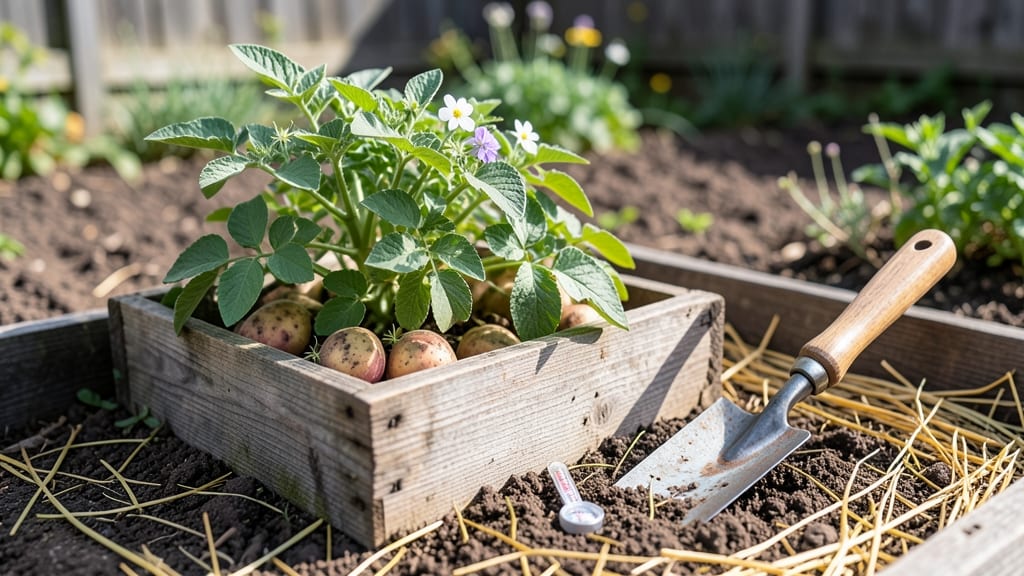
Knowing when to plant potatoes in Texas can mean the difference between a bumper crop and wasted effort—especially when Texas heat arrives faster than you expect.
Unlike cooler climates, timing here isn’t just about spring; it’s about avoiding the brutal summer sun while still beating the first frost in North Texas or the Gulf Coast’s humidity.
Whether you’re in the Panhandle’s chilly mornings or Houston’s steamy afternoons, getting the schedule right is your ticket to homegrown 🥔 success.
I’ve grown potatoes across Texas for years, and the biggest mistake beginners make is planting too late or too early—both lead to stunted growth or disease.
The key is working with your region’s unique microclimate, from the 60-day growing season in West Texas to the longer harvest windows in East Texas.
Let me show you exactly when to start seeds or set tubers in your specific area, so you can enjoy fresh potatoes from summer through fall without the guesswork.
What you’ll discover here isn’t just a calendar—it’s a survival guide for Texas gardeners. We’ll cover soil prep for sandy soils, how to shield plants from sunscald, and which varieties thrive in 90°F+ heat.
Whether you’re a first-timer or a seasoned gardener, these tips will help you avoid common pitfalls like overwatering in clay soil or letting potatoes turn to mush in the heat. Ready to dig in?
From early spring plantings in the Panhandle to late-summer harvests in South Texas, I’ll break down the exact months that work for each zone—plus how to adjust if your garden runs hotter or drier than average.
No more second-guessing: just a clear, actionable plan to grow potatoes that’ll make your taste buds (and dinner plate) happy.
Texas potato planting calendar by USDA hardiness zones (exact months for zero-frost success)
Texas spans 11 USDA hardiness zones (6A–9B), meaning potato planting times vary dramatically from the Panhandle’s chilly mornings to the Gulf Coast’s steamy summers.
In North Texas (Zones 7B–8A), like Dallas and Fort Worth, you’ll plant 2–4 weeks earlier than in South Texas (Zones 8B–9B), where heat stress becomes a real threat by May. The key? Plant when soil reaches 50°F (10°C) and stays frost-free for at least 60 days until harvest.
For fall potatoes, aim to plant 90–120 days before first frost—critical for zones like El Paso (Zone 7A), where frost can hit as early as November 15.
In Houston (Zone 9A), you can even plant year-round with shade cloth, but spring (February–March) yields the best results. Let’s break down the exact months for each zone to avoid common mistakes like planting too late and ending up with shriveled tubers.
| USDA Zone | Region | Spring Planting Window | Fall Planting Window | Key Notes |
|---|---|---|---|---|
| 6A–7A | Northwest (El Paso, Lubbock) | Early March–Mid-April | Late July–Early August | Plant early to avoid heat stress; use row covers for frost. |
| 7B–8A | North/Central (Dallas, Fort Worth, Waco) | Mid-March–Early April | Late June–Mid-July | Ideal for early varieties; mulch to retain moisture. |
| 8B | Central (Austin, San Antonio) | Late February–March | Early June–July | Use shade cloth in summer; containers work well. |
| 9A–9B | South (Houston, Corpus Christi) | January–February | September–October | Plant early to escape summer heat; drip irrigation essential. |
🌱 Pro Tip: Test soil 2 weeks before planting—it should be crumbly and 50°F+.
In North Texas (Zones 7B–8A), like the Dallas-Fort Worth metroplex, I’ve found that planting Yukon Gold potatoes in early April gives me a harvest by June, just before the scorching July heat sets in.
For fall potatoes, I plant again in late June to harvest before the first frost, which typically hits November 15–December 1. This double-crop strategy maximizes my yield without overcrowding the garden.
If you’re in South Texas (Zones 9A–9B), like Houston or Corpus Christi, the game changes. Here, spring planting in January–February is your best bet to avoid the oppressive summer heat, which can cause sunscald on exposed tubers.
I’ve had success with Red LaSoda potatoes, which tolerate heat better than other varieties. For fall planting, aim for September–October to harvest before the humidity spikes in late fall.
West Texas, including El Paso (Zone 7A), has its own challenges: dry soil and sudden temperature swings. Here, I plant early March and use mulch heavily to retain moisture.
The Panhandle’s shorter growing season means sticking to early-maturing varieties like ‘Kennebec’, which can go from seed to harvest in just 70 days. In fall, I plant again in late July for a harvest before the first frost, which can arrive as early as October 15.
One common mistake I see in Texas gardens is planting potatoes too late, especially in South and Central Texas. By May, the heat can cause tubers to cook in the soil, leading to a bitter, inedible harvest.
To avoid this, I always check soil temperatures with a
How to adjust potato planting for Texas’ unique climate challenges (heat, humidity, soil)
Texas gardeners face three big challenges when planting potatoes: intense heat, soil variability, and humidity swings. Unlike northern states, potatoes here can suffer from sunscald or rot if not managed properly.
The key is adapting your approach based on where you live—whether it’s the dry North Texas winds or the South Texas humidity.
Start by testing your soil’s drainage and pH. Potatoes thrive in loamy soil with pH 5.0–6.5. If your garden has heavy clay (common in East Texas), mix in compost or sand to improve aeration.
Sandy soils in West Texas? Amend with organic matter to retain moisture. A simple soil test kit (available at local nurseries) will save you headaches later.
- Sunscald in South Texas: Expose tubers to direct sun for >2 hours = green, toxic spuds.
- Fungal diseases in humid areas: Overhead watering = blight risk.
- Drought stress in North Texas: Shallow roots mean wilting fast.
For heat protection, use mulch heavily (straw or grass clippings) to keep soil temps below 85°F. In South Texas, plant early-maturing varieties (like ‘Red Pontiac’) to harvest before summer peaks.
Meanwhile, North Texas gardeners can push for late-spring plantings (May) by choosing heat-tolerant types like ‘Kennebec’. Always plant seed potatoes 4–6 inches deep to shield them from sun.
Watering is critical—deep and infrequent beats shallow daily doses. Aim for 1–1.5 inches per week, delivered at the base of plants (never overhead). In drought-prone areas, drip irrigation is a game-changer.
Avoid wetting foliage to prevent blight, especially in humid Gulf Coast regions. If your soil stays soggy, raise beds or use containers with drainage holes.
Urban gardeners in Austin or San Antonio can grow potatoes in containers or grow bags. Use a minimum 12-inch-deep vessel with well-draining mix (60% soil, 30% compost, 10% perlite).
Place pots in partial shade during peak summer to avoid overheating. This method also lets you rotate crops easily and control soil quality.
Finally, watch for early signs of stress: yellowing leaves (too much water), wilting (too little), or purple stems (phosphorus deficiency). Adjust quickly—potatoes are resilient but hate neglect. With these tweaks, you’ll turn Texas’ challenges into bountiful harvests instead of missed opportunities. 🌱