
Companion Plants
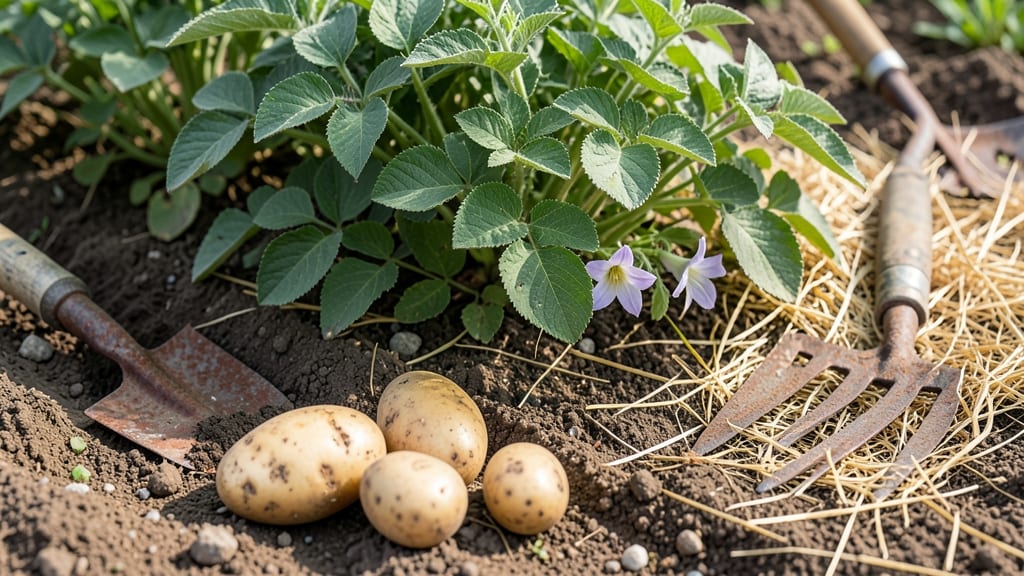
If you’ve ever planted 🥔 potatoes in Texas only to watch them bolt into bitter greens before producing a single tuber, you’re not alone.
The Lone Star State’s scorching summers and unpredictable springs make timing the perfect moment to plant potatoes a real challenge—but getting it right could mean the difference between a failing harvest and a thriving one.
Most gardeners assume cooler months are the only option, but Texas’ diverse heat zones (from North to South) actually allow for two ideal planting windows—if you know the secrets.
Whether you’re in the cooler hills of Zone 8a or the steamy plains of Zone 11, I’ll break down the exact weeks to plant for maximum yield, plus how to avoid the #1 mistake that ruins 90% of Texas potato crops.
You’ll discover which varieties thrive in your specific heat zone, how to stretch the growing season with simple tricks, and why planting too early (or too late) can turn your $5 seed potatoes into a $0 flop.
Let’s dive into the Texas-specific strategies that’ll have you digging up golden potatoes instead of watching them wither in the heat.
From soil prep to harvest timing, I’ll cover everything you need to know to turn your Texas garden into a potato powerhouse—no more guesswork, just proven results. Ready to grow potatoes that actually produce? Let’s get started.
Texas potato planting calendar by heat Zone (avoid bolting in 90°F+)
Texas' extreme heat and long growing seasons make potato planting a precision timing game. Plant too early, and freezes will kill your crop. Plant too late, and 90°F+ temperatures trigger bolting—turning your tubers into bitter, inedible greens. The key? Match your planting window to your USDA Heat Zone.
Texas spans Heat Zones 8a-11, meaning North Texas (like Dallas) has cooler springs, while South Texas (Houston, San Antonio) faces scorching summers. Even a 2-week difference can mean the difference between a harvest and a failed crop.
Here’s your exact planting calendar by zone, with early vs. late options to maximize yield. I’ve included heat-tolerant varieties that work best in each zone to avoid bolting.
🌱
| Heat Zone | Planting Window | Best Varieties | Key Risk |
|---|---|---|---|
| 8a (North Texas: Dallas, Fort Worth) | Mid-February to early March | Yukon Gold, Red Pontiac | Late frost (after March 15) |
| 8b (Central Texas: Austin, Waco) | Late February to mid-March | Kennebec, Russian Banana | Heat spikes in April |
| 9a (South Texas: San Antonio, Corpus Christi) | Early March to late March | Sweet Potato ‘Beauregard’, Purple Viking | Bolting by May |
| 9b-10a (Deep South Texas: Houston, Brownsville) | Late March to early April | Sweet Potato ‘Jewel’, Red LaSoda | Year-round heat stress |
| 11 (Rio Grande Valley) | September to October (fall only) | Sweet Potato ‘Georgia Jet’, Purple Majesty | No spring planting viable |
Notice how Zone 11 (Rio Grande Valley) has no spring planting—the heat is too intense. Instead, fall planting (September-October) is your only option. Even in Zone 9b, planting after early April risks bolting by May.
For North Texas (Zones 8a-8b), I recommend two plantings: one in mid-February for early varieties and a second in late March for heat-tolerant types. This extends your harvest window by 4-6 weeks.
In Central and South Texas (Zones 9a-10a), focus on heat-resistant sweet potatoes or purple varieties, which handle 90°F+ temperatures better than traditional potatoes. These varieties also maturity faster, reducing bolting risk.
🌡️ Pro Tip: Use a soil thermometer—potatoes thrive when soil hits 50°F+. In Texas, this often means waiting until mid-March or later, even if your calendar says "spring."
💡 Remember: Bolting (premature flowering) is your biggest enemy. If your potato plants send up flower stalks, the tubers will turn woody and bitter. The earlier you plant, the lower the bolting risk—but only if you avoid frost.
Texas potato planting calendar by heat Zone (avoid bolting in 90°F+)
Texas’ diverse heat zones (8a–11) create wildly different planting windows for potatoes. In North Texas (Zone 8a), you can start as early as February, while South Texas (Zone 11) must wait until late September to avoid instant bolting.
The key? Plant when soil temps hit 45–55°F—any warmer, and your tubers will flower before forming.
Most gardeners miss the two critical windows: a spring planting (for cooler zones) and a fall planting (for heat-tolerant varieties). I’ll show you the exact weeks for each zone, plus how to stretch your season with shade cloth or row covers.
Skip this, and you’ll end up with bitter, inedible greens instead of potatoes.
Here’s the breakdown by zone—bookmark this for your next planting!
Notice how Zone 11 has only a 6-week window? That’s why I recommend heat-tolerant varieties like ‘Sweet Potato’ or ‘Yukon Gold’ for South Texas—regular potatoes bolt in 90°F+ within days. For cooler zones (8a–9a), early varieties like ‘Red Pontiac’ (60–70 days to harvest) are your best bet.
Pro tip: Use a soil thermometer ($10 at garden centers) to confirm temps before planting. I’ve seen gardeners in Austin plant too early because they assumed “spring” meant March—only to watch their potatoes flower in 85°F by April. Don’t make that mistake!
For a second harvest, try a fall planting in Zones 8a–9a (late July–early August) using row covers to shield from late-summer heat. Just be ready to harvest by October before frost hits.
Now that you’ve got the timing down, next we’ll tackle variety selection—because not all potatoes handle Texas’ humidity and heat the same. Stay tuned!