
Plants
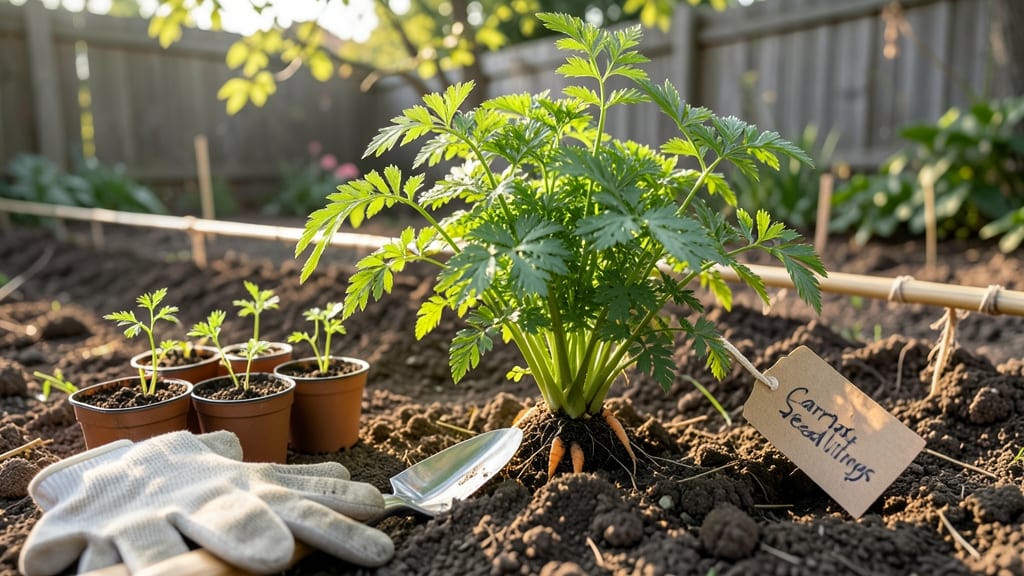
If you're a Zone 6 gardener craving crisp, homegrown 🥕, timing is the secret ingredient—plant too early, and your carrots bolt; too late, and they shrivel in summer heat. The key lies in understanding your last frost date and soil conditions to maximize your growing window.
For Zone 6a-6b, the sweet spot is 2-3 weeks before your average last frost date (around mid-April), but late summer plantings in July can extend your harvest into fall. I'll show you exactly how to calculate these windows and adjust for your specific microclimate.
You'll discover the best varieties for Zone 6's short season, how to prep soil for perfect root development, and when to use row covers to push your harvest further. No more guessing—just reliable, science-backed timing for carrots that rival store-bought (but taste 10x better).
Let's break down the exact weeks you should plant, plus pro tips for troubleshooting common timing mistakes that leave gardeners frustrated. Your crisp, sweet carrots are just a few weeks away!
Zone 6 carrot planting timeline: exact weeks before last frost for success
Timing your carrot planting in Zone 6 hinges on two critical dates: your last frost (typically April 15) and soil temperature. Carrots thrive when soil reaches 50°F, which usually happens 2-3 weeks before your last frost.
This means your ideal spring planting window opens around mid-March—but don’t rush! Cold, wet soil can stunt germination.
For a fall harvest, aim to plant 8-10 weeks before your first frost (around late July).
This gives carrots enough time to mature before winter sets in. Zone 6’s short growing season (about 165 frost-free days) demands precision—miss the window, and you’ll either deal with bolting in heat or frost damage in cold.
Here’s the golden rule: Plant early varieties (like ‘Early Nantes’) 2-3 weeks before your last frost, and late varieties (like ‘Danvers’) 8-10 weeks before your first frost. Adjust based on your microclimate—shady spots or high-altitude areas may need 1-2 weeks earlier planting.
🌱 Zone 6 Carrot Planting Summary
| Stage | Action | Timeframe |
|---|---|---|
| Soil Prep | Loosen soil, remove rocks, add compost | Fall or 2 weeks before planting |
| Spring Planting | Sow seeds ¼" deep, 2-3 weeks before last frost | Mid-March |
| Summer Planting | Sow seeds 8-10 weeks before first frost | Late July |
| Harvest Window | Pull when roots reach ¾–1" diameter | July–October |
💡 Pro Tip: Use a soil thermometer to confirm 50°F+ soil before planting.
If you’re planting early, consider using row covers or a cold frame to protect seedlings from late frosts. These tools can extend your spring planting window by 1-2 weeks, giving you a head start on the season.
Just remove covers once soil warms to 60°F to prevent overheating.
For fall planting, focus on short-day varieties like ‘Paris Market’, which mature faster in cooler weather. Start seeds indoors 4-6 weeks before transplanting outdoors in late July. This jump-start method ensures you meet the 8-10 week maturity window before frost.
One common mistake in Zone 6 is planting too late in spring, only to have carrots bolt (flower prematurely) as days lengthen. To avoid this, succession plant every 2 weeks from March to July, staggering batches to ensure a continuous harvest.
Use shade cloth in peak summer to protect seedlings from heat stress.
Don’t overlook soil temperature—it’s just as critical as frost dates. Carrots won’t germinate well below 50°F, even if frost risk is low. Test your soil with a thermometer; if it’s below 50°F, wait 1-2 weeks or use black plastic mulch to warm it faster.
This simple step can mean the difference between crisp roots and stunted sprouts.
For gardeners in Zone 6a (colder microclimates), err on the side of earlier planting—aim for late February to early March—while Zone 6b gardeners can push to mid-March. Always check your local frost calendar; even a 1-week shift can throw off your entire harvest timeline.
Finally, plan for two planting cycles: one in spring (for summer harvests) and one in late summer (for fall harvests). This dual approach maximizes your 165 frost-free days and ensures you’re never without fresh carrots.
With this strategic timing, you’ll enjoy crisp, homegrown roots from July through October—no grocery store in sight! 🥕
5 Critical factors that determine your carrot planting schedule in Zone 6
Zone 6’s variable climate demands precision when planting carrots—soil temperature, moisture levels, and sunlight all shift dramatically between spring and fall. I’ve planted carrots here for years, and these 5 key factors make the difference between crisp harvests and disappointing failures.
First, your soil temperature must reach at least 45°F (7°C) for seeds to germinate reliably. Cold soil delays sprouting, leaving your carrots vulnerable to pests or drying out. Test your soil with a soil thermometer—if it’s below 45°F, wait a week or two.
Next, moisture consistency is non-negotiable. Carrot seeds need steady dampness to germinate, but once sprouted, they hate soggy soil. Aim for 1 inch of water per week, delivered in the morning to prevent fungal diseases. Mulch with straw to retain moisture without compacting the soil.
Here’s where many Zone 6 gardeners go wrong: overlooking sunlight requirements. Carrots need 6+ hours of full sun daily, but in Zone 6’s cloudy springs, partial shade can stretch your growing season.
If your garden gets less than 5 hours of sun, opt for short-season varieties like ‘Paris Market’ or ‘Little Finger.’
🌱 5 Critical Factors for Zone 6 Carrot Planting
- Soil Temperature: Wait until soil hits 45°F (7°C)—use a thermometer!
- Moisture: Keep soil consistently damp but never waterlogged.
- Sunlight: 6+ hours of sun is ideal; partial shade extends season.
- Succession Planting: Sow seeds every 2-3 weeks for continuous harvests.
- Frost Protection: Use row covers if planting near last frost date.
Don’t forget succession planting—this is how I’ve kept fresh carrots on my table from June to October. Sow seeds every 2-3 weeks starting 2 weeks before your last frost date.
For example, if your last frost is April 15, begin planting on March 30, then repeat on April 13, April 27, and May 11.
Finally, frost timing can make or break your harvest. If you’re planting near your last frost date (April 15 in most of Zone 6), use lightweight row covers to protect seedlings.
Remove covers once true leaves appear to prevent overheating. For fall plantings, aim for 8-10 weeks before your first frost (around July 25 for Zone 6).
Master these factors, and you’ll enjoy crisp, homegrown carrots all season—no more store-bought disappointments! The key is adapting to Zone 6’s quirks rather than fighting them. 🥕