
Companion Plants
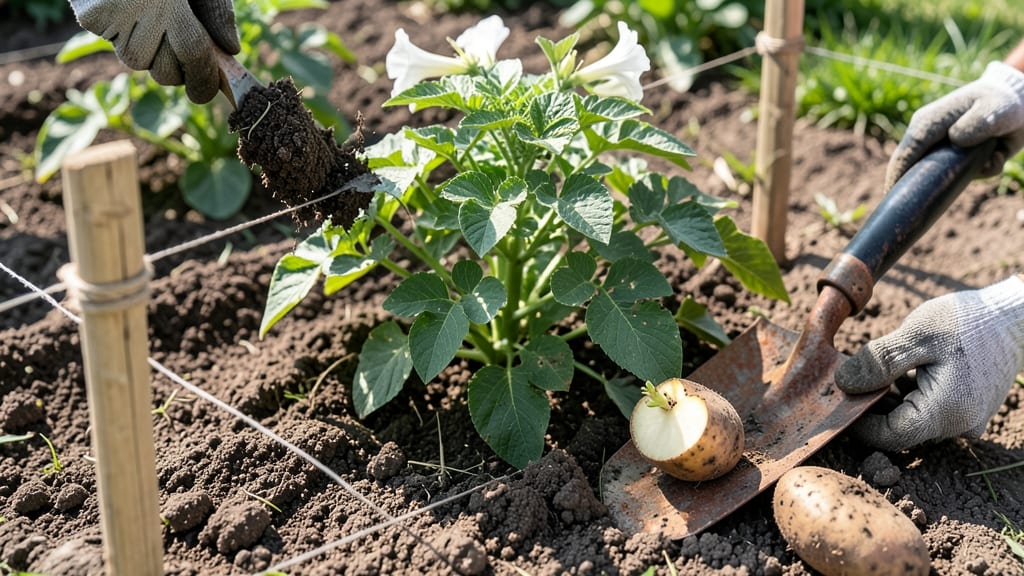
Knowing when to plant potatoes in Zone 7 could mean the difference between a thriving harvest and a wasted effort. With the right timing, you’ll enjoy crisp, homegrown 🥔 by summer—no guesswork required.
The key lies in understanding your last frost date and soil temperature, which vary slightly across Zone 7’s northern and southern regions.
Most gardeners in Zone 7 plant potatoes 2-4 weeks before the last frost, typically between late February and early April for early varieties. But late varieties can wait until April or even May, depending on your specific microclimate.
The goal? Get those spuds in the ground when soil temperatures hit 45°F—any earlier, and frost damage could ruin your crop.
Here’s the game-changer: chitting your seed potatoes (pre-sprouting in light) gives them a head start, while succession planting lets you stretch your harvest from June through August. Whether you’re growing new potatoes for salads or storing spuds for winter, timing is everything.
Let’s break down the exact weeks to plant, how frost dates influence your schedule, and why some gardeners swear by planting as early as January for a jump on the season. Ready to dig in?
Zone 7 last frost dates & ideal potato planting windows (by variety)
In Zone 7, your potato planting window hinges on two critical factors: last frost dates and soil temperature. The average last frost date ranges from March 15 in southern Zone 7 to April 15 in northern areas—meaning you’ll want to plant 2-4 weeks before your local last frost.
For example, if your frost date is April 1, aim for March 1-15 to give tubers time to establish before warmth arrives.
Potatoes thrive when soil reaches 45°F (7°C)—cold soil slows sprouting and invites rot. Use a soil thermometer to confirm readiness; if temps hover below 45°F, wait or plant in black plastic mulch to warm the soil faster.
In Zone 7, this often aligns with late February to early March for early varieties.
Not all potatoes are created equal. Early varieties (like Yukon Gold or Red Norland) mature in 60-90 days and can handle cooler soils, while late varieties (e.g., Russet) need 90-120 days and warmer conditions.
Your planting window shifts based on your harvest goals: early potatoes for June harvests, late potatoes for July-August storage.
🥔 Zone 7 Potato Planting Guide by Variety
| Variety Type | Planting Window | Days to Harvest | Soil Temp Requirement | Best For |
|---|---|---|---|---|
| Early (e.g., Yukon Gold) | Feb 20–Mar 15 | 60–90 days | 45°F+ | New potatoes, early harvests |
| Mid-Season (e.g., Red Pontiac) | Mar 1–Apr 1 | 90–105 days | 50°F+ | Main-season storage |
| Late (e.g., Russet) | Apr 1–May 1 | 105–120 days | 55°F+ | Fall harvests, baking |
💡 Pro Tip: Adjust planting dates 1 week earlier for southern Zone 7, 1 week later for northern areas.
Zone 7’s unpredictable spring weather adds complexity. A late frost in April can devastate early plantings, while premature warmth may spur volunteer potatoes (unwanted sprouts) in unheated storage. To mitigate risks, chit your seed potatoes (pre-sprout in light) 4-6 weeks before planting—this jumpstarts growth and compensates for cool soils.
For northern Zone 7 (e.g., parts of Virginia or Missouri), err on the side of later plantings (March 15–April 1) to avoid frost. In southern Zone 7 (e.g., Georgia or Alabama), you can plant as early as February 15 under row covers or in warm microclimates.
Always check your local frost calendar—tools like the Almanac’s Frost Calculator provide hyper-local data.
One often-overlooked strategy is succession planting. In Zone 7, you can stagger plantings every 2-3 weeks from February to April, ensuring a continuous harvest from June through August. For example, plant Yukon Golds in late February for June new potatoes, then Russets in early April for fall storage.
Watch for soil warmth trends—if daytime highs consistently hit 60°F+ by March, it’s safe to plant even if nights dip below freezing. Potatoes are hardy to 32°F, but frosted tubers develop black spots and rot. Use straw mulch (4–6 inches deep) to insulate soil and protect emerging sprouts.
Finally, avoid planting too early—even if soil is workable. Cold, wet conditions promote disease (e.g., scab, blight) and pith end rot. Aim for dry, crumbly soil at planting depth (6–8 inches). If your garden stays soggy into April, opt for container growing with well-draining mix to control moisture.
Timing isn’t just about frost—it’s about balancing soil warmth, variety maturity, and your harvest timeline. With Zone 7’s 180 frost-free days, you’ve got room to experiment, but precision pays off. Start with early varieties to test your soil’s readiness, then expand to mid/late types as confidence grows.
How to adjust planting for early vs. late harvest needs in Zone 7
Zone 7 gardeners can strategically plant potatoes for early harvests, main-season storage, or even fall yields—but timing is everything. The key lies in choosing the right variety and adjusting your planting window to match your goals.
Early varieties like Yukon Gold or Red Norland mature in just 60-90 days, while late varieties such as Russet or Kennebec take 100-120 days.
For new potatoes or early harvests, aim to plant 8-10 weeks before your first expected frost-free date (typically mid-March in Zone 7). This gives you a jump-start on the season and ensures you can enjoy tender, young tubers by late spring.
Meanwhile, late varieties planted 4-6 weeks before last frost will thrive through summer and into fall.
Soil temperature is non-negotiable—potatoes won’t sprout until the soil reaches 45°F (7°C). Use a soil thermometer to check before planting. In Zone 7, this usually aligns with late February to early March for early varieties, while late varieties can wait until April.
If your soil is too cold, your potatoes will rot in the ground.
- 🌱 Early Harvest: Plant early varieties 8-10 weeks before last frost (Feb-March) for 60-90-day tubers.
- 🌿 Main Season: Plant mid-season varieties 6-8 weeks before last frost (March-April) for 90-110-day storage.
- 🍂 Fall Harvest: Plant late varieties 4-6 weeks before last frost (April-May) for 100-120-day tubers.
- ⏰ Chitting: Pre-sprout seed potatoes 4-6 weeks before planting to speed up growth in cool Zone 7 springs.
- 🌡️ Soil Temp: Wait until soil hits 45°F (7°C)—cold soil = rot, not growth.
Succession planting is another game-changer for Zone 7 gardeners. Plant a second crop of early varieties 2-3 weeks after your first planting to stagger harvests. This ensures you’re never without fresh potatoes! Just be sure to space your plantings so the soil stays warm enough for germination.
Pro tip: If you’re aiming for a fall harvest, prioritize late-blight-resistant varieties like Adirondack Blue or Purple Viking. Zone 7’s warm, humid summers create ideal conditions for late blight, so planting later in the season (May) can help avoid this fungal threat while still yielding a late crop.
Finally, don’t forget to hill your potatoes as they grow—this protects tubers from light (which turns them green and toxic) and encourages larger yields. In Zone 7, where summers can be long, hilling every 2-3 weeks keeps your crop thriving until harvest.