
Plants
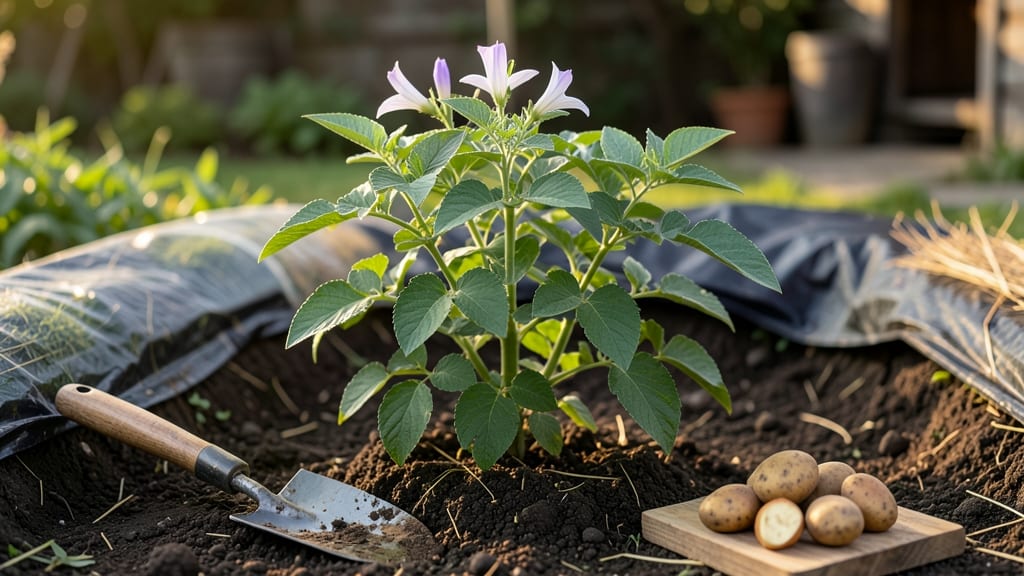
If you're dreaming of a bountiful harvest of crisp, homegrown 🥔 potatoes, timing your planting could make or break your success in Georgia's unique climate. The wrong move means struggling with blight, stunted growth, or even losing your entire crop before it matures.
Georgia's warm, extended growing season gives you two prime windows to plant potatoes—early spring for fast varieties and late spring for heartier types—but getting it wrong can turn your garden into a disappointment.
I'll show you exactly when to start planting, which varieties thrive best in Georgia's 7b-8a zones, and how to adjust for regional differences like Piedmont's cooler nights or coastal areas' humidity.
You don't need a green thumb to grow great potatoes—just the right knowledge. We'll cover soil temperature thresholds (45–55°F is ideal), frost dates by county, and how to extend your harvest season with simple tricks.
Let's dig into the best months for planting by variety so you can enjoy fresh, homegrown potatoes all season long.
Whether you're a first-time gardener or a seasoned grower, these insights will help you avoid common mistakes and maximize your yield. Ready to turn your garden into a potato powerhouse? Let's get started.
Georgia potato planting calendar: best months by variety for peak yield
Georgia’s diverse climate zones mean your potato planting window depends on whether you’re in North Georgia’s cooler mountains or South Georgia’s warmer coastal plains. Most gardeners target February through May, but early varieties can go in as soon as soil reaches 45°F.
Let’s break down the best planting months by variety and region to maximize your harvest yield.
For North Georgia (USDA Zones 7b-8a), aim for late February to early April—this avoids late frosts that can damage emerging sprouts. In South Georgia (Zones 8a-9a), you’ve got flexibility: plant January through April for a staggered harvest. The key is soil temperature, not just calendar months.
Here’s how to align your planting with Georgia’s microclimates and variety maturity:
| Variety | Days to Maturity | Best Planting Window (North GA) | Best Planting Window (South GA) | Harvest Window |
|---|---|---|---|---|
| Yukon Gold | 90-110 days | Late Feb–Early April | January–March | May–July |
| Red Pontiac | 70-90 days | Early March–Mid-April | February–April | April–June |
| Purple Viking | 85-100 days | Late March–Early May | March–May | June–August |
| Kennebec | 100-120 days | Early April–Mid-May | April–May | July–September |
🌱 Pro Tip: Plant early varieties first (like Red Pontiac) for a staggered harvest.
If you’re in South Georgia’s Zone 8a-9a, you can even squeeze in a fall planting of early varieties like Red Pontiac in August–September for a late-winter harvest. Just ensure tubers mature before the first frost (mid-November in most areas).
For North Georgia gardeners, focus on late February–April plantings. Use row covers if frost threatens after planting—potatoes can tolerate light frosts but not prolonged cold snaps below 32°F. Monitor your local frost-free date (typically March 15 in Atlanta, later in coastal areas).
One common mistake? Planting too early when soil is still cold. Potatoes need consistent warmth (50–60°F) to sprout and grow. Use a soil thermometer to confirm readiness—if temps dip below 45°F, wait a week or two. Wet, cold soil invites disease like blight and rot.
For maximum yield, space plantings 2–3 weeks apart. This ensures a continuous harvest rather than a single overwhelming crop. For example, plant Yukon Gold in late February, Red Pontiac in early March, and Purple Viking in late March.
This way, you’ll have potatoes ready from May through July.
Don’t overlook succession planting! Even in Georgia’s warm climate, late-summer heat can stress potato plants. By planting late varieties in April–May, you avoid the peak July–August heat and still get a harvest before frost. Kennebec and Russet varieties thrive in these conditions.
Finally, adjust for elevation. Mountain regions (like Blue Ridge) may need to wait until April due to later frosts, while coastal areas can start as early as January. Check with your local UGA Extension office for precise frost dates—every county varies slightly.
With the right timing, Georgia’s long growing season lets you enjoy homegrown potatoes from spring through fall. Start with early varieties, monitor soil temps, and don’t fear experimenting with fall plantings—your taste buds (and dinner table) will thank you! 🥔
Critical factors that determine your Georgia potato planting timeline
Georgia’s variable microclimates mean planting potatoes at the wrong time can spell disaster—whether from frost damage or disease pressure. The key factors aren’t just months, but soil temperature, frost dates, and variety-specific needs. Let’s break down what really matters beyond the calendar.
First, soil temperature is your #1 guide. Potatoes need soil between 45–55°F to sprout consistently. In Georgia, this typically aligns with mid-February to early April, but North Georgia’s cooler pockets (like Blue Ridge) may need to wait until late March.
Use a soil thermometer—planting too early in cold soil delays growth and invites rot.
Planting potatoes in soil below 40°F stunts sprouting and increases risk of waterlogged tubers. Georgia’s Northwest region (e.g., Dahlonega) often faces delays—check USDA Plant Hardiness Zone 7b maps for your exact area.
🌡️ Pro Tip: Wait until soil reaches 50°F for reliable germination.
Next, last frost dates vary wildly across Georgia. The average last frost for Atlanta is March 15, but Savannah sees frost-free soil by February 15. Plant 4–6 weeks before your local last frost—this gives tubers time to establish before summer heat.
For early varieties like Red Pontiac, aim for February in South Georgia; late varieties (e.g., Yukon Gold) can wait until April.
Variety selection ties directly to timing. Early-season potatoes (e.g., Kennebec) mature in 60–90 days, perfect for spring harvests before summer blight sets in. Mid-season (e.g., LaSoda) need 90–110 days, ideal for late spring/early summer planting. Late varieties (e.g., Purple Viking) take 110–120 days—plant these in April for fall harvests before frost.
Don’t overlook disease pressure. Georgia’s humid summers favor late blight and scab. Planting too late (after May 15) risks tubers developing green skin (toxic solanine) from heat stress. Succession planting in March, April, and May spreads risk and ensures a continuous harvest.
Finally, local extension services are your secret weapon. The University of Georgia Cooperative Extension provides county-specific frost maps and soil reports. Call your local extension office for hyper-local advice—they’ll tell you exactly when to plant based on your elevation and microclimate.
For example, Mountain City (Zone 7a) may need to wait until April 1, while Valdosta (Zone 8a) can start in February.
Timing your potato planting in Georgia isn’t just about months—it’s about soil science, local data, and variety strategy. Get these right, and you’ll beat blight, outpace frost, and enjoy a bountiful harvest all season long. 🌱