
Companion Plants
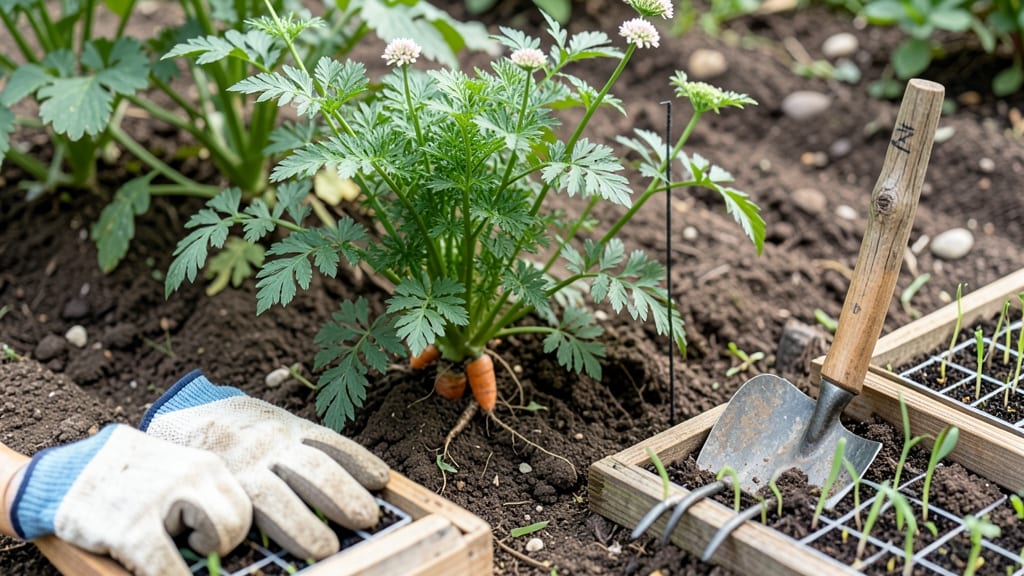
Figuring out when to plant carrots in Zone 6 can feel like solving a puzzle—get the timing wrong, and you’ll end up with bitter, woody roots or plants that bolt before they even mature.
The good news? With the right schedule, you can grow sweet, crisp 🥕 roots twice a year in your climate.
Zone 6 gardeners have two prime windows to plant carrots: early spring (March–April) and late summer (July–August). Planting too early risks frost damage, while waiting too long can trigger bolting from heat stress.
The key is understanding your last frost date—typically around April 15—and soil temperatures that should stay above 50°F for consistent germination.
In this guide, I’ll break down the exact months to plant for maximum success, how to adjust for early or late starts, and even which carrot varieties thrive best in Zone 6’s fluctuating temperatures.
Whether you’re a beginner or a seasoned gardener, these tips will help you avoid common mistakes and harvest perfect roots.
Ready to dig in? Let’s get your carrot patch off to the best possible start—no more guesswork, just crisp, homegrown 🥕 success.
Best planting months for carrots in Zone 6 (with exact dates)
Carrots thrive in Zone 6 when planted during two key windows: early spring and late summer. These periods balance soil temperatures, frost risks, and daylight to prevent bolting (premature flowering) or rot. Let’s break down the exact months and dates for foolproof success.
For spring planting, aim for mid-March to mid-April—once soil temperatures reach 50°F (10°C). This timing ensures seeds germinate quickly without risking frost damage. In Zone 6, the last frost typically occurs around April 15, so planting 2–3 weeks before this date gives seedlings a head start.
If you miss spring, don’t worry! Carrots also grow well in late summer, with ideal dates from late July to early August. This second window allows roots to mature before the first frost (mid-October) while avoiding the heat stress of peak summer.
Here’s a quick reference for your planting calendar:
| Planting Window | Best Months | Soil Temp | Frost Risk |
|---|---|---|---|
| Spring | Mid-March to Mid-April | 50–60°F (10–15°C) | Low (post-last frost) |
| Fall | Late July to Early August | 60–70°F (15–21°C) | None (harvest before frost) |
Pro tip: Use a soil thermometer to confirm temperatures before planting. Carrot seeds need consistent warmth to germinate—cold soil (below 50°F) can delay sprouting by weeks.
Zone 6 gardeners often ask if February planting is possible. While seeds can be sown in February, germination is slow and unpredictable. Instead, start seeds indoors in late January for transplants ready by March, or opt for cold-hardy varieties like ‘Chantenay’ if you’re eager to begin early.
For fall harvests, prioritize varieties with shorter maturity times (e.g., 50–60 days). Plant in July to ensure roots reach harvest size before the first frost. If you’re in Zone 6a (colder microclimates), shift planting to early July to avoid heat stress.
Remember: Carrots need 6–8 hours of sunlight daily. Choose a spot with full sun exposure and loose, rocky-free soil to prevent forking. Amend clay soil with compost or sand before planting for crisp, straight roots.
Finally, succession planting works well in Zone 6. Sow new seeds every 2 weeks from March to July for a continuous harvest. This extends your growing season and reduces bolting risks by avoiding overcrowded seedlings.
🌱
Best planting months for carrots in Zone 6 (with exact dates)
Carrots thrive in Zone 6 when planted during two key windows: early spring and late summer. The difference between success and failure often comes down to soil temperature and frost timing.
In Zone 6, where last frosts typically hit around April 15 and first frosts arrive by October 15, timing is critical to avoid bolting or rotting.
For spring planting, aim to sow seeds 4-6 weeks before your last frost date. In most of Zone 6, this means March 15 to April 1.
Carrots need consistent soil temperatures above 50°F (10°C) to germinate properly. Planting too early in cold soil can lead to poor germination or leggy, weak seedlings.
🌱 Carrot Planting Timeline for Zone 6
| Season | Planting Window | Soil Temp | Harvest Window |
|---|---|---|---|
| Spring | March 15 - April 15 | 50°F+ (10°C+) | June - August |
| Fall | July 15 - August 15 | 60°F+ (15°C+) | October - November |
💡 Pro Tip: Use a soil thermometer to confirm temperatures before planting.
If you miss the spring window, don’t worry—fall planting is just as productive. For a second crop, sow seeds between July 15 and August 15.
This gives carrots enough time to mature before first frost in October. Aim for varieties with 60-70 day maturity to ensure a harvest before cold sets in.
Zone 6 gardeners can also try successive planting every 2-3 weeks from March to July for a continuous harvest. Thin seedlings to 2-3 inches apart to prevent competition and ensure straight, crisp roots. Overcrowding leads to forked or stunted carrots, a common frustration for beginners.
For container gardening in Zone 6, start seeds indoors 6-8 weeks before the last frost (around February 15) and transplant seedlings after soil warms. Containers must be at least 12 inches deep to accommodate full-sized roots. Use a light, sandy loam mix to prevent forking.
Remember, bolting (premature flowering) is a major risk in Zone 6’s hot summers. To extend your harvest, provide light shade cloth during heatwaves or choose bolting-resistant varieties like ‘Rainbow’ or ‘Solar.’ Regular watering keeps soil cool and prevents stress.