
How To
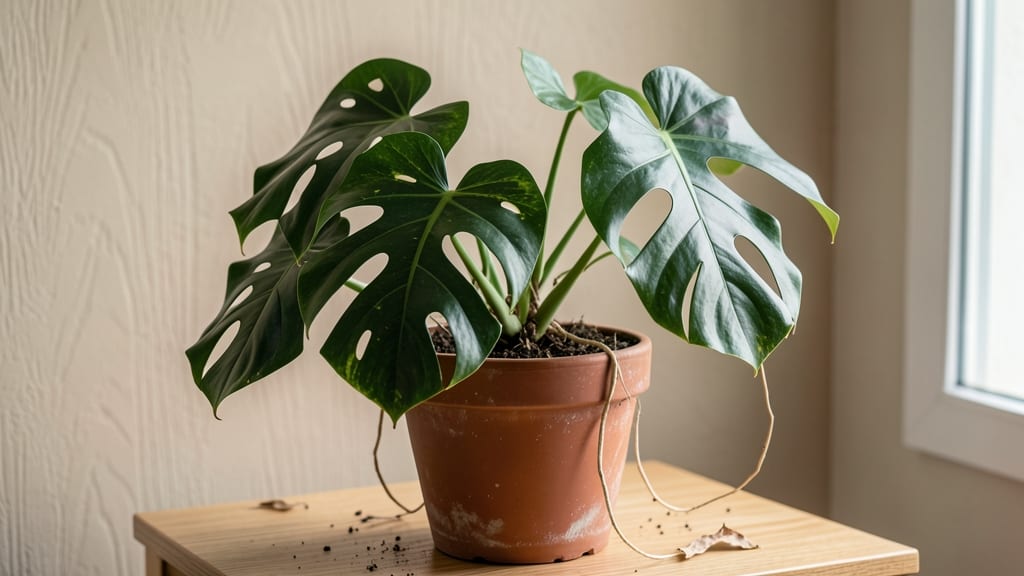
If your monstera plant how much light it needs is the key to unlocking its full potential—too little and it stretches pitifully, too much and it burns. The secret to lush, vibrant growth lies in understanding its light needs, which are easier to master than you think.
Most plant parents assume bright light is always best, but Monstera actually prefers bright indirect light—think of it as a sunbather who avoids direct rays. In low light, it might survive, but it’ll never reach its full potential with those iconic split leaves you love.
I’ll show you exactly how to spot signs of poor lighting and adjust your plant’s environment—whether you’re working with a dim office corner or a sunlit living room. With these simple tweaks, your Monstera could go from struggling to stunning in just a few weeks.
Ready to unlock the secret to happier, healthier growth? Let’s dive into the perfect lighting setup for your leafy friend.

How much light does a Monstera need for optimal growth?
If you’ve ever wondered, "Why is my Monstera struggling?", the answer might be hiding in plain sight—light exposure. Monsteras are tropical plants that crave bright, indirect sunlight, but they’re surprisingly adaptable. Too little light, and they’ll stretch painfully toward windows.
Too much direct sun, and those gorgeous leaves can scorch. Let’s break down the ideal light conditions for a thriving Monstera and how to spot when your plant is begging for a light adjustment.
Monsteras thrive in 40-60% light intensity, which translates to bright, indirect sunlight—think of it as standing under a sheer curtain on a sunny day. This level of light mimics their natural habitat in the rainforest understory, where dappled sunlight filters through the canopy.
In most homes, this means placing your Monstera 2-3 feet away from an east- or west-facing window, where morning or afternoon sun is gentler than harsh midday rays.
Here’s the golden rule: East-facing windows offer the perfect balance of gentle morning light, while west-facing windows provide afternoon warmth without the intensity of south-facing sun. North-facing windows can work, but they often deliver lower light levels, which may stunt your Monstera’s growth over time.
South-facing windows? Proceed with caution—direct midday sun can cause leaf burn, especially in summer.
Now, let’s talk about what happens when your Monstera isn’t getting the right amount of light. In low-light conditions, you’ll notice leaves growing smaller, with fewer (or no) fenestrations—the iconic holes and splits that make Monsteras so striking.
The plant may also stretch unnaturally toward the light, a condition called etiolation, which weakens the stem and makes it prone to falling over.
On the flip side, too much direct sunlight causes crispy, brown edges on leaves, and the vibrant green color may fade to a dull, bleached look.
Monsteras are masters of adaptation, which is why they’re such popular houseplants. While they prefer bright indirect light, they can tolerate moderate low light for short periods, especially if you’re patient.
In dimmer conditions, your Monstera will grow slower and may produce fewer fenestrations, but it won’t die—it’ll simply enter a survival mode. The key is to gradually acclimate your plant to brighter conditions if you want to see those stunning split leaves develop.
If you’re dealing with a newly purchased Monstera, it’s often already acclimated to a nursery’s bright but indirect lighting. However, if you bring it home to a darker space, you might notice it struggling at first.
My tip? Rotate your plant every few weeks so all sides get equal light exposure. This prevents uneven growth and helps the plant adjust to its new environment more evenly.
For those with limited natural light, don’t despair! Monsteras can thrive under grow lights or even fluorescent bulbs designed for plants. Aim for 12-14 hours of light per day if you’re supplementing with artificial sources.
Just avoid placing your Monstera too close to heat sources, as they prefer consistent temperatures between 65-80°F.
Pro tip: If you’re unsure whether your Monstera is getting enough light, try the "shadow test". Hold your hand near the plant—if you can’t see your shadow clearly, the light is likely too dim.
Conversely, if you can read a book easily in the same spot, the light might be too intense. Adjust accordingly to keep your Monstera happy and healthy.
Remember, every home’s lighting is unique. Experiment with placement, and don’t be afraid to move your Monstera around until you find the sweet spot where it thrives. With the right light, your plant will reward you with lush, dramatic foliage that’s the envy of every plant lover.
Best light solutions for Monstera plants in different homes
Finding the perfect spot for your Monstera plant depends on your home’s natural light. Even if your space lacks ideal conditions, there are smart ways to mimic the bright indirect light it loves.
Start by analyzing your home’s light sources—east-facing windows offer gentle morning sun, while west-facing windows provide afternoon warmth without harsh rays.
If your Monstera sits in a low-light room, like a north-facing corner, rotate it quarter-turns weekly to ensure even growth. This prevents lopsided leaves and stretches toward any available light. For south-facing windows, use a sheer curtain to diffuse the intense midday sun and avoid leaf scorch.
🌱 Light Solutions for Monstera Plants
For office spaces or rooms with no windows, a grow light is a game-changer. Opt for a full-spectrum LED bulb (6,500K color temperature) and place it 12-18 inches above your Monstera for 12-14 hours daily. Brands like Sylvania Grow Lux or GE LED Plant Lights are budget-friendly and effective.
Boost natural light in dim areas by placing a white or mirrored surface (like a wall or table) near your plant. This reflects light upward, giving your Monstera an extra 10-15% brightness. Avoid dark furniture or thick curtains that absorb light—keep pathways to your plant clear and airy.
Pro tip: Monitor your Monstera’s leaf color and growth rate after adjustments. If new leaves are smaller than 6 inches or pale, it’s still not getting enough light. If leaves develop brown crispy edges, move it away from direct sun immediately.