
Plants
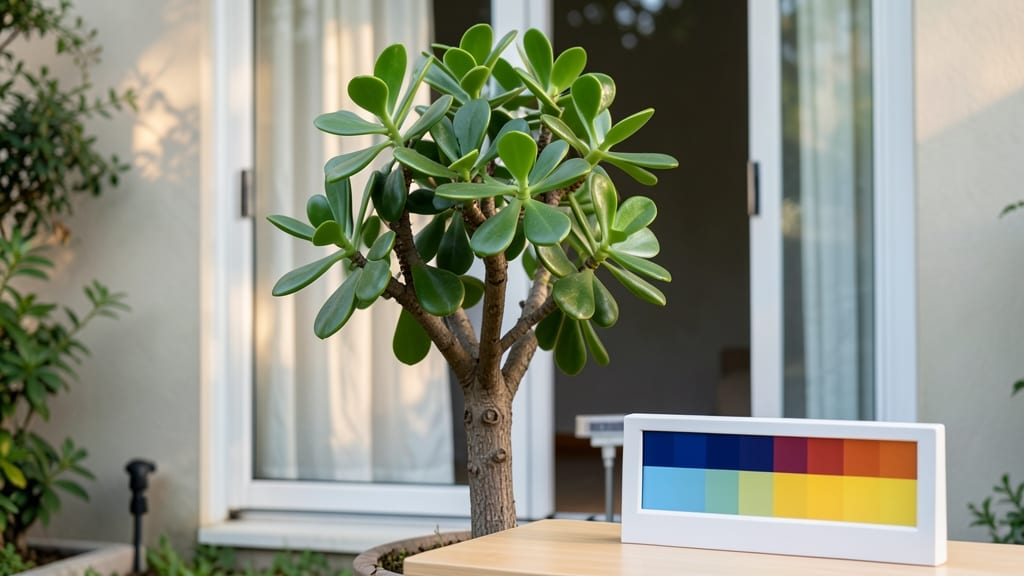
If you’re wondering how much light does a jade plant require, the answer is simple: this succulent thrives in bright conditions—but getting the balance right isn’t always intuitive. Too little light, and it stretches for the sun; too much, and those glossy leaves turn brown.
Let’s break down the ideal light requirements so your Jade Plant stays happy and healthy.
The key to happy Jade Plants lies in bright indirect light, with a few hours of morning sun if possible. Think of it like a sunbathing session: they love warmth but hate harsh afternoon rays.
In USDA Zone 6a, spring is the perfect time to place them near east-facing windows, where they’ll get gentle morning rays without scorching.
Signs your Jade Plant isn’t getting enough light? Look for leggy stems or pale leaves—these are red flags. Too much sun? Watch for crispy edges or sunburn spots.
The good news? Adjusting their spot or using sheer curtains can make all the difference. I’ll show you exactly how to spot these issues and fix them fast.
Whether you’re a beginner or a seasoned plant parent, mastering light exposure is the game-changer for keeping your Jade Plant thriving. Let’s dive into the details so you can give your succulent the perfect glow—no guesswork required.

Jade plant light requirements: ideal sunlight exposure for healthy growth
Jade plants (Crassula ovata) thrive in bright indirect light, making them perfect for sunny indoor spots. They tolerate 4-6 hours of direct morning sun, but afternoon rays can scorch their thick leaves. Understanding these light needs ensures your jade plant stays compact, vibrant, and healthy year-round.
In indoor settings, place your jade plant near an east-facing window for gentle morning light. South-facing windows work too, but use sheer curtains to filter harsh afternoon sun. If natural light is limited, supplement with LED grow lights for 6-8 hours daily to mimic sunlight.
For outdoor growers, jade plants adapt well to partial shade in hot climates, especially during summer months. They can handle full sun in cooler regions (USDA zones 9-11), but always introduce them gradually to avoid sunburn. Rotate the pot occasionally for even growth.
Seasonal adjustments are key: Winter months require more direct light as daylight shortens, while summer heat may need filtered light to prevent leaf damage. Watch for signs of stress—like pale leaves or stretched stems—to fine-tune placement.
| Light Condition | Ideal Exposure | Best Placement |
|---|---|---|
| Bright Indirect Light | 4-6 hours daily | East/west windows, under sheer curtains |
| Direct Morning Sun | 2-4 hours (max) | South-facing windows (filtered) |
| Low Light | Not recommended | North windows (supplement with grow lights) |
| Outdoor Full Sun | 3-4 hours (acclimate gradually) | Patios, balconies (shade cloth in summer) |
Jade plants grown in low-light conditions will develop long, leggy stems as they stretch toward light sources. This "etiolation" weakens the plant and makes it more prone to falling over. To fix this, move your jade to a brighter spot immediately and rotate the pot weekly to encourage even growth.
Conversely, too much direct sunlight causes sunburn, visible as white or brown patches on leaves. If you notice these spots, relocate your plant to a shadier area or provide afternoon shade with a lightweight shade cloth. Jade plants are resilient, but prevention is easier than treating damaged leaves.
For indoor growers without ideal windows, LED grow lights are a game-changer. Use full-spectrum bulbs 6-12 inches above the plant for 12-14 hours daily. This mimics natural light cycles and prevents the leggy growth common in dimly lit rooms.
Adjust the height as the plant grows to maintain consistent light exposure.
In outdoor environments, jade plants perform best in microclimates with dappled sunlight, such as under deciduous trees or on covered patios. If moving your plant outdoors for the summer, acclimate it slowly over 1-2 weeks to avoid shock.
Start with 2-3 hours of morning sun, then gradually increase exposure.
Remember, consistency is key—jade plants prefer stable light conditions. Avoid frequent moves between sun and shade, as this can stress the plant and lead to uneven growth.
With the right light balance, your jade plant will reward you with thick, glossy leaves and a sturdy, bushy form for years to come.
Jade plant light requirements: ideal sunlight exposure for healthy growth
A jade plant thrives in bright indirect light, making it perfect for east-facing windows or filtered sunlight spots. These succulents love 4-6 hours of sunlight daily but avoid harsh afternoon rays that can scorch their leaves. Think of it as a sunbathing session—gentle and consistent, not intense.
Direct morning sun is ideal for outdoor jade plants, especially in warmer months. However, if you notice leaves turning red or developing brown patches, it’s a sign of sunburn.
Always introduce your plant to sunlight gradually to prevent stress. Start with 2-3 hours of morning sun and slowly increase exposure.
| Light Condition | Daily Exposure | Best For |
|---|---|---|
| Bright Indirect Light | 4-6 hours | Indoor plants near east/west windows |
| Direct Morning Sun | 2-3 hours | Outdoor patio or balcony |
| Artificial Grow Lights | 12-14 hours | Low-light indoor spaces |
Seasonal changes affect your jade plant’s light needs. In winter, when sunlight is weaker, move your plant closer to the window or supplement with a grow light.
During summer, provide afternoon shade to protect delicate leaves from intense rays. A sheer curtain can diffuse harsh light while still allowing plenty of brightness.
If you’re growing your jade plant indoors, avoid north-facing windows—they offer the least light. Instead, opt for south-facing windows if possible, but monitor for signs of overheating. Rotate your plant every few weeks to ensure even growth and prevent it from leaning toward the light source.
For outdoor jade plants, choose a spot with dappled shade during peak sun hours. Containers allow you to move your plant as needed, so take advantage of this flexibility.
In regions with extreme heat, consider placing your jade plant in a shadier microclimate like under a tree with an open canopy.
Remember, a happy jade plant is one that’s well-lit but not overwhelmed. Pay attention to its leaves—they’ll tell you if it’s getting just the right amount of sunlight.
With the perfect balance, your jade plant will reward you with thick, glossy leaves and a sturdy, compact shape for years to come. 🌿