
How To
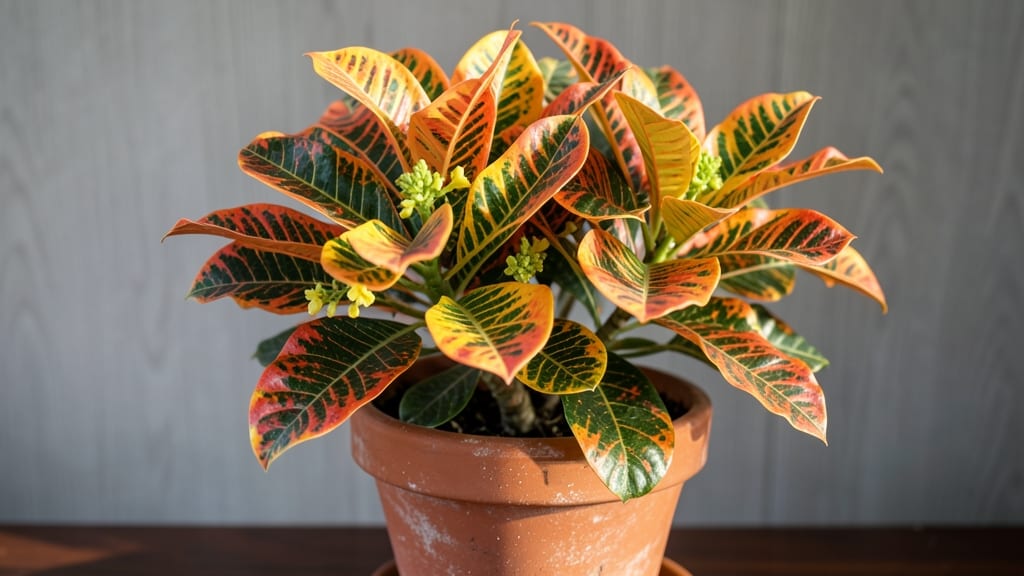
If you've ever wondered how tall does a croton plant grow, you're not alone—many gardeners get surprised when their vibrant 🌿 Croton suddenly shoots up faster than expected!
Whether you're dreaming of a lush indoor statement piece or a compact patio plant, the answer depends on its variety, care routine, and growing conditions.
Some Crotons stay modest at just 1-2 feet, perfect for shelves or small spaces, while others can stretch toward 6 feet or more with the right conditions. The key?
Understanding your plant's potential early on. I’ll break down the exact height ranges for popular varieties—from dwarf types that barely reach your waist to towering giants that demand ceiling space.
But here’s the game-changer: with a few simple adjustments—like pruning, light tweaks, or pot size—you can steer your Croton’s growth in the direction you want.
Whether you’re aiming for a bushy 2-foot beauty or a 4-foot showstopper, knowing these secrets will save you from overwatering or underestimating its space needs.
Let’s dive into the specifics so you can keep your Croton thriving at the perfect height for your home or garden—no surprises included!

Croton plant height by variety: exact growth ranges for popular types
Croton plants (Codiaeum variegatum) are prized for their vibrant foliage, but their height varies dramatically depending on the variety. Some stay small enough for windowsills, while others can reach towering heights in ideal conditions. Understanding these differences helps you choose the perfect croton for your space.
Most indoor crotons mature between 1 to 6 feet, but outdoor varieties can exceed 10 feet in tropical climates. The key factors influencing height include genetics, pruning habits, and light exposure. Let’s break down the exact growth ranges for the most popular croton types.
Dwarf varieties like 'Petra' and 'Gold Dust' stay compact, making them ideal for small spaces or as bushy houseplants. These types typically reach 1 to 2 feet tall, perfect for shelves or desks. Meanwhile, standard varieties like 'Mammy' or 'Pictum' can grow 3 to 6 feet indoors with proper care.
| Variety | Mature Height (Indoors) | Growth Habit | Best For |
|---|---|---|---|
| 'Petra' | 1–2 ft | Bushy, compact | Desks, shelves |
| 'Gold Dust' | 2–3 ft | Upright, spreading | Tables, hanging baskets |
| 'Mammy' | 3–5 ft | Tall, leggy | Corners, floor plants |
| 'Pictum' | 4–6 ft | Tree-like, upright | Statement plants |
| 'Black Prince' | 2–4 ft | Bushy, dark foliage | Contrast plants |
| 'Fireworks' | 3–5 ft | Spreading, colorful | Bright accents |
Note: Outdoor crotons can grow 2–3x taller in tropical climates.
Outdoor crotons thrive in USDA Zones 10–12, where they can grow 10+ feet tall with wide, spreading canopies. Varieties like 'Outdoor Croton' or 'Variegatum' are designed for landscape use, offering year-round color in warm climates.
Even indoors, these plants can double in height if given bright, indirect light and regular pruning.
If you’re growing crotons indoors, light exposure is the #1 factor controlling height. A south-facing window with 6+ hours of sunlight encourages taller, leggier growth, while grow lights can help maintain compact shapes.
For shorter crotons, place them in lower-light areas (east or west windows) and prune regularly to encourage bushiness.
Another way to influence height is through pot size. Small pots restrict root growth, keeping crotons shorter and bushier, while large containers allow them to grow taller.
For dwarf varieties, use pots no larger than 6 inches in diameter. For standard types, opt for 10–12 inch pots to balance height and stability.
Some gardeners intentionally grow crotons tall for vertical gardens or indoor "trees." To achieve this, provide consistent moisture, high humidity, and minimal pruning. Over time, these plants develop long, graceful stems with lush foliage, making them a stunning focal point in any room.
For bushier, shorter crotons, prune the tips of new growth to encourage side branching. This technique works best on young plants and helps maintain a compact, full shape. Always use clean, sharp pruners and sterilize them with rubbing alcohol to prevent disease.
Remember, croton height is flexible—with the right care, you can grow the same variety tall or short. Start by choosing a variety that fits your space, then adjust light, pruning, and pot size to achieve your desired look.
With these tips, your croton will thrive at exactly the height you want! 🌿
How to control Croton plant height: pruning, light, and pot size hacks
Want to keep your Croton at a manageable 2-3 feet instead of letting it shoot up to 6 feet? The secret lies in three key factors: pruning techniques, light exposure, and pot size.
These aren’t just guesswork—they’re science-backed ways to shape your plant’s growth. For example, a Gold Dust variety left unpruned can easily double in height in a year, while the same plant pruned regularly stays bushy and compact.
Let’s start with pruning, the most effective tool for controlling height. When you trim back leggy stems by 1/3 of their length, you encourage new growth from lower nodes, creating a fuller, shorter shape.
I recommend doing this in early spring or after flowering (if applicable) to avoid disrupting the plant’s natural rhythm. Just be sure to use sterilized scissors to prevent disease spread.
Next, light exposure plays a surprising role. Crotons thrive in bright, indirect light, but too much direct sun can stretch their stems, making them leggy and tall.
If your plant is reaching for the sky, move it 3-4 feet away from the window or use a sheer curtain to diffuse harsh rays. For indoor growers, a south-facing window is ideal—just rotate the pot weekly to ensure even growth.
Don’t overlook pot size, either. A root-bound Croton in a cramped pot will focus all its energy on stretching upward rather than filling out. If your plant’s roots are circling the bottom, upgrade to a pot that’s 2-3 inches wider than its current container.
Pro tip: Use a pot with drainage holes to prevent soggy soil, which can stunt growth.
🌿 Pruning & Light Hacks for Croton Height Control
- Prune leggy stems in early spring for bushier growth
- Place near south-facing windows for balanced light
- Use sheer curtains to filter harsh sunlight
- Upgrade pots when roots circle the bottom
- Ignore pruning—untrimmed plants grow 2x taller in a year
- Expose to direct midday sun, which causes leggy growth
- Use pots without drainage holes, risking root rot
- Overcrowd plants—space them 12+ inches apart outdoors
Seasonal care also matters. In summer, when growth is fastest, I increase watering slightly (but never soggy) and fertilize every 4-6 weeks with a balanced 10-10-10 mix.
In winter, when growth slows, I reduce watering and hold off on fertilizing entirely. This natural cycle helps maintain a steady height year-round.
For outdoor Crotons, spacer training works wonders. Stake tall varieties like 'Mammy' (which can reach 10 feet outdoors) and gently tie them to supports as they grow. This prevents flopping and keeps them upright. Even indoor varieties benefit from occasional support stakes to encourage vertical growth without excessive height.
Remember, every Croton is unique—experiment with these techniques to find what works best for your plant’s personality. With the right balance of pruning, light, and pot size, you’ll have a perfectly sized plant that fits your space without sacrificing its stunning foliage. Happy growing!