
Plants
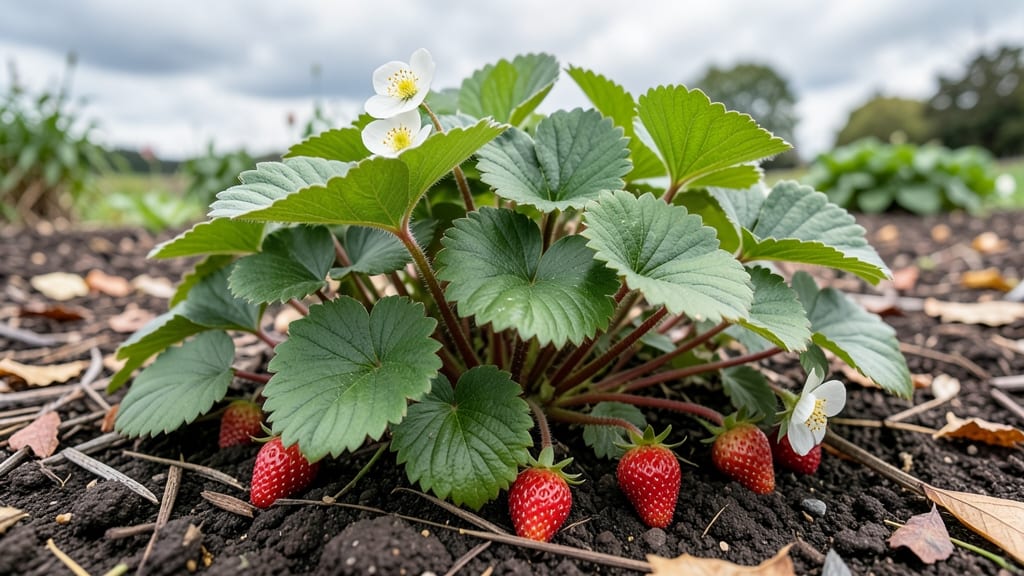
If you're wondering how tall does a strawberry plant grow, the answer might surprise you—these sweet little plants stay surprisingly compact, typically reaching just 6 to 12 inches tall, depending on the variety.
While they may look delicate, strawberries like 🍓 June-bearing types can spread wider than they grow upward, making them perfect for small gardens or containers.
The key to managing their height lies in their variety: everbearing and day-neutral types often stay on the shorter side, while some June-bearing varieties might stretch slightly taller.
But don’t let their small stature fool you—they’re hardy little powerhouses that thrive in USDA Zone 6a and beyond, especially when planted in spring between March and April.
Whether you’re planning a neat row in your garden or a hanging basket setup, understanding their growth habits helps you avoid overcrowding or wasted space. I’ll break down exactly how to keep them at their ideal height—no sprawling messes here!
Ready to turn your strawberry patch into a tidy, productive haven? Let’s dive into the varieties, spacing tricks, and pruning tips that’ll keep your plants happy and your harvests plentiful.

Strawberry plant height by variety: junebearing vs. everbearing vs. day-neutral
Strawberries are famously low-growing plants, but their height can vary wildly depending on the variety and growing conditions. Most strawberries mature between 6 and 18 inches tall, but some compact varieties stay as short as 4 inches.
Understanding these differences helps you choose the right plants for your garden space—whether you have a sprawling raised bed or a cozy container setup.
The three main strawberry types—June-bearing, everbearing, and day-neutral—each have distinct growth habits. June-bearing varieties, like the popular 'Chandler', often grow taller and produce runners more aggressively.
Everbearing and day-neutral types, such as 'Seascape' or 'Albion', tend to stay shorter and are better suited for small gardens or containers.
Here’s how the most common varieties stack up in height and spread:
June-bearing varieties like 'Chandler' can reach 18 inches tall and spread aggressively, making them ideal for larger gardens or landscapes where you want to create a ground-cover effect. In contrast, day-neutral varieties like 'Seascape' stay under 12 inches and produce fewer runners, perfect for containers or small spaces.
If you’re growing strawberries in containers, opt for dwarf or semi-dwarf varieties like 'Albion' or 'Tristar', which thrive in 5-gallon pots and rarely exceed 8 inches in height. These varieties are also more resistant to disease and produce fruit closer to the plant’s base, making harvesting easier.
For vertical gardening, consider training taller varieties like 'Jewel' (a June-bearing type) on a trellis. This not only saves space but also improves air circulation, reducing the risk of fungal diseases like gray mold.
Just be sure to prune runners regularly to keep the plant focused on fruit production rather than spreading.
One common misconception is that all strawberries need to sprawl. In reality, many modern varieties are bred to stay compact and bushy, especially those labeled as "everbearing" or "day-neutral". These types are great for urban gardens or balconies where space is limited.
When choosing varieties, also consider your climate zone. In colder regions (USDA Zones 3–5), June-bearing types like 'Honeoye' perform well, while day-neutral varieties thrive in warmer zones (6–9) due to their ability to produce fruit throughout the season.
Pro tip: If you’re growing strawberries in rows, space June-bearing varieties 18–24 inches apart to accommodate their spread. For compact varieties, 12-inch spacing is sufficient, allowing you to fit more plants in a smaller area.
🌱
Strawberry plant height by variety: junebearing vs. everbearing vs. day-neutral
Strawberry plants may look similar, but their height and growth habits vary wildly depending on the variety type. Whether you're choosing June-bearing, everbearing, or day-neutral strawberries, understanding these differences helps you plan your garden layout and manage space efficiently.
Most strawberries stay compact, but some varieties spread aggressively—so let’s break down what to expect!
The three main strawberry types—June-bearing, everbearing, and day-neutral—each have distinct height ranges and growth patterns. June-bearing varieties, like the classic Chandler, typically reach 12-18 inches tall but send out long runners that spread horizontally. Everbearing and day-neutral types, such as Seascape or Albion, usually stay shorter (6-12 inches) but produce fruit in multiple seasons.
Your choice impacts both plant height and garden design!
| Variety Type | Height Range | Growth Habit | Best For |
|---|---|---|---|
| June-bearing | 12–18 inches | Tall, upright with long runners | Large harvests in early summer |
| Everbearing | 8–12 inches | Compact, moderate runners | Extended harvest seasons |
| Day-neutral | 6–12 inches | Low-growing, prolific runners | Containers and small spaces |
Height can vary based on pruning and soil conditions.
If you’re growing June-bearing strawberries like Chandler or Jewel, expect taller plants (12-18 inches) with aggressive runners that can spread 3-4 feet if unchecked.
These varieties are ideal for large gardens or hillside plantings where you can let them sprawl. Everbearing types, such as Ozark Beauty, stay shorter (8-12 inches) but produce fruit in two seasons, making them perfect for smaller plots or containers.
Meanwhile, day-neutral varieties like Seascape or Tristar are the lowest-growing (6-12 inches) and thrive in containers or hanging baskets!
For small gardens, prioritize day-neutral or everbearing varieties—they’re more compact and produce fruit year-round if given proper care.
If you’re aiming for maximum yield in a single season, June-bearing types deliver larger berries but require more space for their runners. Pruning and trellising can also help control height—more on that in the next section!
One common misconception is that all strawberries sprawl like weeds. In reality, proper spacing and pruning can keep even June-bearing varieties neat and tidy. For example, removing runners early in the season forces the plant to focus on upright growth rather than spreading.
This is especially useful if you’re growing strawberries in raised beds or small urban gardens where space is limited.
Remember, soil quality and sunlight exposure also influence height. Strawberries grown in poor soil or shade often become leggy and weak, reaching taller than expected. To keep your plants stocky and healthy, ensure they get 6-10 hours of full sun and well-draining soil.
Amending your soil with compost before planting encourages strong, compact growth from the start.
Now that you know how tall your strawberries will grow, you can plan your garden layout with confidence! Whether you’re creating a strawberry patch in your backyard or adding a few plants to a container garden, choosing the right variety makes all the difference. Happy planting!