
Plants
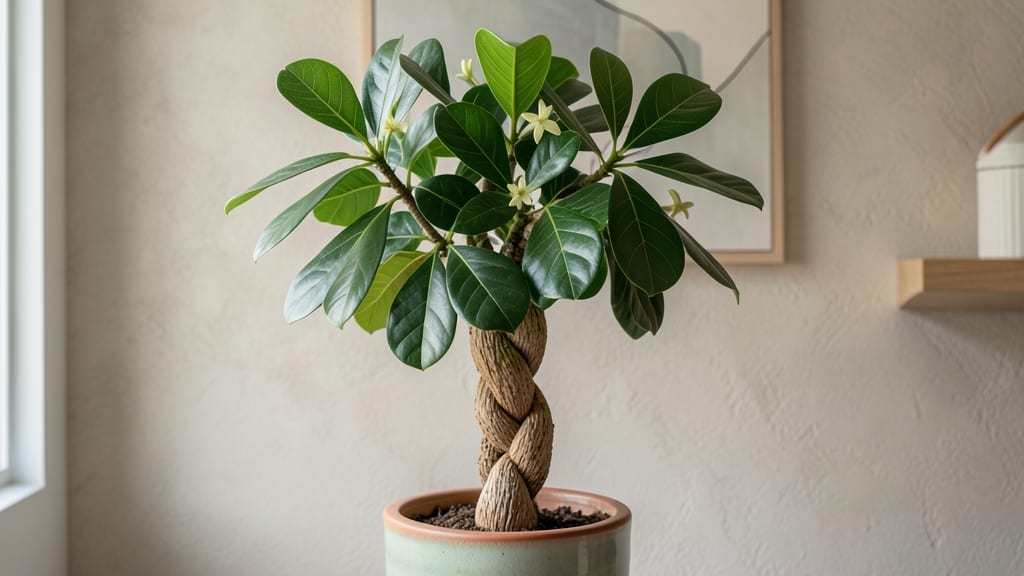
If you’re wondering how tall does a money tree plant grow, the answer might surprise you—this tropical beauty can range from a compact 3-foot desk buddy to a towering 10-foot indoor statement piece.
The key? Variety, care, and a little patience. Some Money Trees (Pachira aquatica) stay small with proper pruning, while others stretch toward your ceiling if left unchecked.
For most home gardeners, a Money Tree typically reaches 6-10 feet indoors, but dwarf varieties can stay under 3 feet with the right conditions. Whether you’re working with limited space or dreaming of a lush, leafy giant, understanding growth habits is the first step to shaping your plant’s future.
Let’s break down what influences its height and how you can guide it to your ideal size.
Light, pot size, and pruning play huge roles in controlling growth. Too much sunlight or a cramped pot can send your Money Tree reaching for the sky, while strategic trimming encourages bushier, more manageable growth.
Even in USDA Zone 6a, where summers thrive, indoor care makes all the difference. Ready to learn how to keep your Money Tree at the perfect height for your home?
The best part? With the right approach, you can enjoy a Money Tree that fits seamlessly into any space—whether it’s a tiny apartment or a sunlit living room. Let’s dive into the factors that shape its height and how to nurture it for years to come.

Money tree height ranges by variety: from compact to towering
The money tree (Pachira aquatica) is famous for its striking braided trunk and lush foliage, but its mature height can vary dramatically depending on the variety and care.
If you're wondering, "How tall does a money tree grow?" the answer ranges from 1–3 feet for dwarf types to 12+ feet for oversized specimens. Understanding these ranges helps you choose the perfect variety for your space and control its growth effectively.
Most standard money trees reach 6–10 feet tall indoors, making them ideal for living rooms or hallways. However, some dwarf varieties stay under 3 feet, perfect for desks or shelves.
The key to managing height lies in pruning, pot size, and light exposure, which I’ll cover in detail later. For now, let’s explore the height ranges by variety so you can pick the right one for your home.
| Variety | Mature Height | Growth Rate | Ideal Environment |
|---|---|---|---|
| Dwarf Varieties (e.g., 'Money Tree Mini') | 1–3 ft | Slow to moderate | Indoor pots, bright indirect light |
| Standard Varieties (e.g., 'Lucky Money Tree') | 6–10 ft | Moderate | Indoor or outdoor in warm climates |
| Oversized Varieties (e.g., 'Giant Money Tree') | 12–15 ft | Fast | Large containers or outdoor planting |
| Bonsai-Style Money Tree | 1–2 ft | Slow (with pruning) | Small pots, high humidity |
If you’re asking, "How tall does a money tree grow in one year?" expect 1–2 feet of growth for standard varieties under ideal conditions. Dwarf types grow 6–12 inches annually, while oversized varieties can add 3–4 feet per year.
The first year is critical—your money tree will focus on establishing roots, so growth may be slower initially. After that, consistent care accelerates height gains.
Light exposure is the #1 factor influencing height. Money trees thrive in bright indirect light, which promotes steady growth. Place yours near an east or north-facing window for optimal results.
Too little light slows growth, while direct sunlight can scorch leaves, stressing the plant and stunting its height potential. Balance is key—aim for 6–8 hours of indirect light daily.
Pot size also plays a role. Money trees grow faster in larger pots because they have more room to develop roots. If you want to limit height, keep your plant in a smaller container (e.g., 6–8 inches in diameter) and prune regularly.
Root-bound plants grow upward to escape cramped conditions, so repot every 2–3 years to maintain control over its size.
Humidity levels affect growth too. Money trees prefer 40–60% humidity, which mimics their tropical origins. Low humidity can cause stunted growth and leaf drop. Use a humidifier or place the pot on a pebble tray filled with water to boost moisture levels.
This simple trick can make a noticeable difference in your plant’s height and overall health.
One common misconception is that money trees stop growing after reaching a certain height. In reality, they continue growing as long as conditions are right. However, with proper pruning, you can encourage bushier growth and control height.
I’ll dive deeper into pruning techniques in the next section, but for now, remember: regular trimming keeps your money tree at your desired size while promoting a fuller shape.
For those with limited space, consider a bonsai-style money tree. These are pruned aggressively to stay under 2 feet tall while maintaining their distinctive braided trunk. It takes patience and skill, but the result is a stunning, compact plant perfect for small apartments or offices.
If you’re new to pruning, start with standard varieties and practice on new growth before tackling bonsai techniques.
Finally, remember that outdoor money trees grow taller than indoor ones due to more space and natural light. If you live in USDA zones 10–12, your money tree can thrive outdoors year-round, reaching 10–15 feet tall.
In cooler climates, bring potted money trees inside during winter to protect them from frost and maintain controlled growth.
Now that you know the height ranges by variety, you’re ready to choose the perfect money tree for your home. Whether you want a desk-sized dwarf or a statement-piece standard variety, the next step is learning how to control its growth—so let’s talk pruning and care tips next!
How to control money tree growth: pruning and care tips
Your money tree's height isn’t set in stone—it’s shaped by your care routine. With the right pruning techniques and growth adjustments, you can keep it at a manageable 3-4 feet or even encourage it to reach 10+ feet if you prefer a statement plant.
The key lies in understanding when and how to intervene.
Pruning is the most effective way to control money tree growth. By cutting back leggy stems, you encourage bushier growth and prevent it from becoming a tall, sparse tower.
Aim to prune in early spring when new growth begins, but you can also trim throughout the year to maintain shape. Always use sterilized scissors or pruners to avoid disease.
Another critical factor is repotting frequency. Money trees grow faster when root-bound, but this can lead to rapid height spikes. Repot every 2-3 years or when roots circle the pot.
Choose a container just 1-2 inches larger than the current one to slow vertical growth while allowing healthy root development.
Light exposure plays a surprising role in height control. While bright indirect light promotes balanced growth, low light conditions can cause leggy, stretched stems. Position your money tree near an east or north-facing window for optimal results.
If natural light is limited, supplement with a grow light for 6-8 hours daily.
Fertilizer choices also impact growth rates. Use a balanced fertilizer (10-10-10) during spring and summer to encourage steady growth, but reduce feeding in fall and winter to slow height increases. Over-fertilizing leads to rapid, weak growth that’s prone to falling over.
Finally, don’t ignore the power of humidity levels. Money trees thrive in 40-60% humidity. Low humidity causes stress, which can trigger sudden growth spurts as the plant compensates. Use a humidifier or place the pot on a pebble tray with water to maintain ideal conditions.
With these growth control strategies, you’ll keep your money tree at your desired height while ensuring it stays healthy and vibrant for years to come. 🌿