
How To
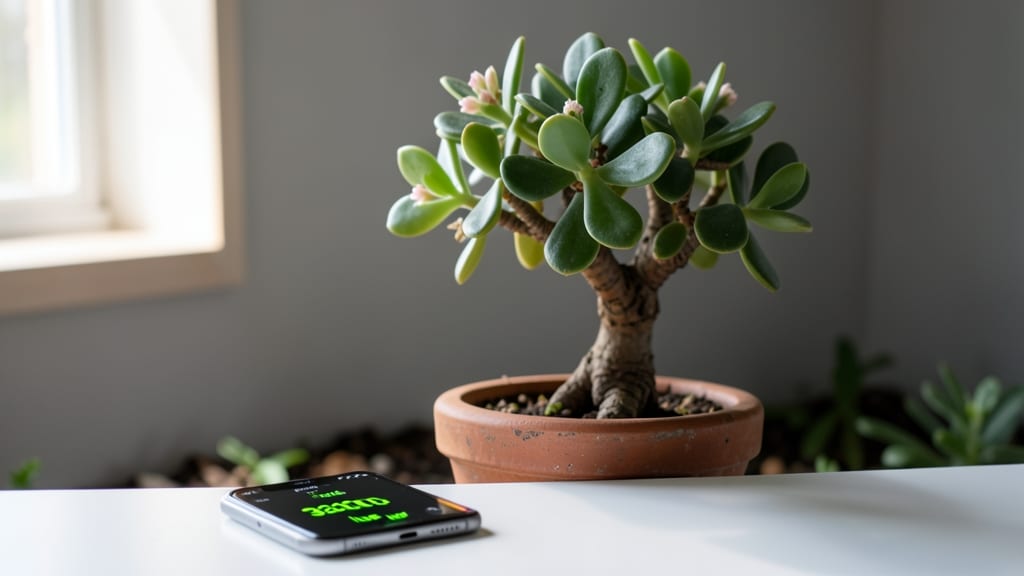
If your 🌿 jade plant looks sad and stretched out, you’re probably not giving it how much light does a jade plant need—and that’s an easy fix.
These succulents thrive in bright conditions, but too much direct sun can scorch their leaves, while too little leaves them leggy and weak. The secret lies in finding that perfect balance between sunshine and shade, and I’ll show you exactly how to get it right.
Jade plants are tough little survivors, but they do need bright indirect light to stay happy and healthy.
Whether you’re dealing with a sunroom, a north-facing window, or an indoor space with limited natural light, I’ll break down the best spots to place your plant—and what to watch for when things go wrong.
No more guessing games about whether your jade is getting just the right amount of glow.
Let’s talk about the signs your plant is thriving (or struggling) based on light exposure. From yellowing leaves to crispy edges, I’ll help you spot the clues and adjust before it’s too late.
Plus, I’ll share my top tips for supplementing light when your home just doesn’t get enough sunshine—because even the pickiest jade plant can bounce back with the right care.
Ready to turn your jade plant from a struggling survivor into a bushy, vibrant beauty? Stick with me, and you’ll learn how to give your plant exactly what it craves—without overcomplicating things. Let’s get started!

Ideal light requirements for jade plants: bright indirect sun explained
Jade plants (Crassula ovata) thrive under bright indirect light, but they can handle direct morning sun without burning.
The key is mimicking their natural habitat in South Africa’s sunny, arid climates—where they grow in rocky outcrops with plenty of light but some protection from harsh afternoon rays.
Too little light causes leggy growth (stretching toward light), while too much can scorch leaves, turning them brown or crispy.
For optimal growth, aim for 4–6 hours of filtered sunlight daily. A south-facing window is ideal, but east or west-facing windows work too—just avoid deep shade or dim corners. If your home lacks natural light, grow lights (LED or fluorescent) can supplement, especially in winter when daylight fades early.
The goal is to keep leaves glossy and deep green, not pale or stretched.
Here’s how to spot light-related stress in your jade plant:
- Underlighting: Leaves turn pale yellow or red, stems elongate (etiolation), and new growth weakens.
- Overlighting: Leaves develop brown patches or white spots, crisp edges, or a sunburned appearance.
- Perfect light: Thick, glossy leaves with compact growth and a bushy shape.
Morning sun (before 10 AM) is gentler than afternoon rays, which can be intense and drying. If your jade plant sits in a west-facing window, consider moving it back 6–12 inches to prevent overheating.
In summer, outdoor jade plants can handle full sun, but acclimate them gradually to avoid shock.
| Light Condition | Effects on Jade Plant | Solution |
|---|---|---|
| Bright Indirect Light (Ideal) | Thick, glossy leaves; compact growth; deep green color | South-facing window or grow light 6–12 inches away |
| Low Light (Underlighting) | Leggy stems; pale, yellow leaves; weak growth | Move to brighter spot or use grow lights (12–14 hrs/day) |
| Direct Hot Sun (Overlighting) | Brown/white patches; crispy edges; sunburn | Provide afternoon shade or move 1–2 feet back from window |
| Morning Sun Only | Healthy growth; minimal stress | Best for indoor jade plants; rotate pot weekly for even growth |
Jade plants are succulents, meaning they store water in their leaves and stems. This adaptation helps them tolerate drought but not poor light. When light is insufficient, they prioritize stretching toward light over storing energy, leading to weak, spindly growth.
To fix this, rotate your plant every 2–4 weeks so all sides receive even light, preventing lopsided growth.
If you’re growing your jade plant outdoors in warm climates, it can handle full sun, but monitor it closely. Start with 2–3 hours of sun per day, then gradually increase exposure over 2–3 weeks.
Sudden full sun can cause sunburn, especially in spring when new growth is tender. Mulch around the base with pebbles or gravel to reflect light and reduce heat stress.
In winter, daylight is shorter and weaker, so supplement with grow lights if natural light drops below 4 hours daily. A simple LED grow light on a timer (12–14 hours/day) mimics summer conditions and prevents dormancy-related issues like leaf drop.
Place the light 6–12 inches above the plant and adjust as it grows.
Pro tip: Use a reflective surface (like a white tray or mirror) behind your jade plant to bounce extra light onto its leaves. This trick is especially helpful in north-facing windows or rooms with limited natural light.
Just avoid placing reflective surfaces too close—they can cause uneven heat distribution and stress the plant.
Remember, jade plants are low-maintenance but light-dependent. With the right balance, they’ll reward you with thick, vibrant leaves and a compact, bushy form for years.
Start by assessing your home’s light conditions, then adjust your plant’s placement accordingly. Small tweaks can make a huge difference in its health and appearance!
How to adjust light conditions for jade plants in different homes
Not all homes offer the same lighting conditions, and that’s okay! Jade plants are adaptable, but they need a little help when natural light falls short. If your plant is stretching toward the window or looking pale, it’s time to reassess its light exposure.
The key is finding a balance—too little light leads to leggy growth, while too much can cause sunburned leaves. Let’s explore how to optimize light for your jade plant, whether you’re in a dim apartment or a sun-drenched home.
First, identify your home’s natural light sources. East-facing windows provide gentle morning sun, perfect for gradual exposure, while south-facing windows deliver the brightest light—ideal for jade plants. If your space lacks windows, grow lights become your best friend.
LED grow lights with a 6500K color temperature mimic natural sunlight and can be placed 6-12 inches above your plant for 12-14 hours daily. For beginners, a simple timer switch ensures consistency without manual effort.
🌱
⚠️ Warning: Avoid These Light Mistakes
- Sudden full sun exposure can scorch leaves—acclimate gradually over 1-2 weeks.
- Placing jade plants near heat sources (e.g., radiators) dries out soil too quickly.
- Ignoring seasonal changes—winter light is weaker, so supplement with grow lights if leaves yellow.
If your jade plant shows signs of over-exposure, like crispy brown edges or white patches, move it to a spot with filtered light. A sheer curtain or sheer shade cloth can diffuse harsh rays while still providing brightness.
For under-exposed plants, rotate the pot every few weeks to ensure even growth. Uneven light causes lopsided stems, but consistent turning promotes a fuller, bushier shape.
Seasonal adjustments are crucial. In summer, when sunlight is intense, jade plants can handle 3-4 hours of direct afternoon sun, but watch for wilting. During winter, when days are shorter, extend light exposure with a grow light or relocate the plant to a sunnier room.
Even a reflective surface like a white wall or mirror can bounce extra light onto your plant, boosting its energy without extra effort.
For gardeners with low-light homes, consider these hacks: Place your jade plant on a dresser or shelf near a window, or group it with other plants to create a microclimate. If all else fails, a south-facing balcony or sunroom offers the perfect transition spot before moving outdoors.
Remember, jade plants thrive on bright indirect light, so prioritize locations where they can bask without burning.
Finally, monitor your plant’s response. Healthy jade leaves are thick, glossy, and deep green. If you notice pale or yellowing leaves, it’s a cry for more light.
Conversely, brown or translucent spots mean it’s getting too much. Tweak its position weekly until you find the sweet spot—where your jade plant grows strong, compact, and vibrant.
☀️