
Plants
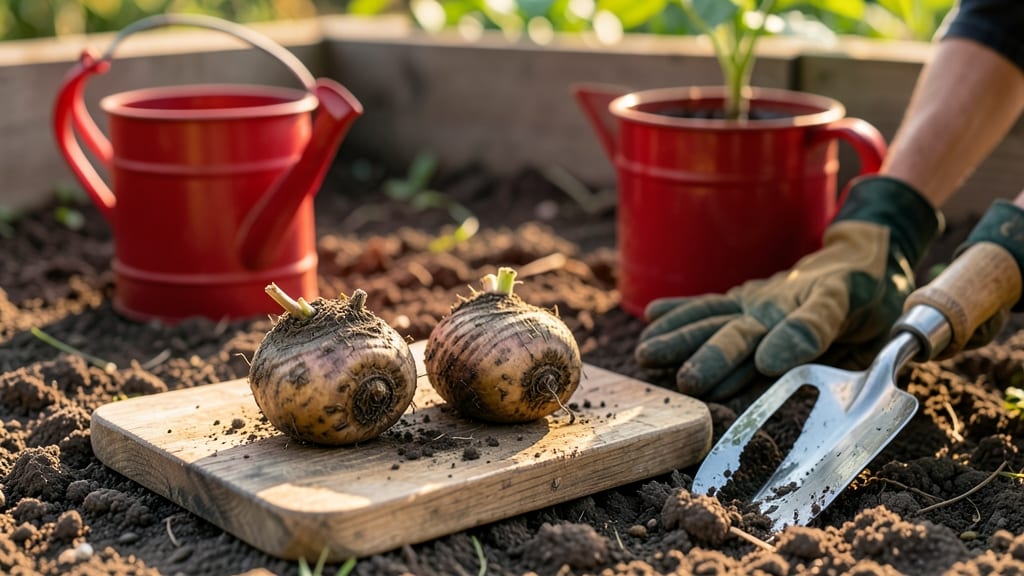
Planting dahlias in South Africa at the wrong time could mean missed blooms or struggling tubers—but getting the timing right unlocks a garden bursting with 🌼 vibrant color from December to May.
Unlike other plants, dahlias thrive in warm weather, so the key is waiting until after the last frost, typically between August and September in most regions.
Your local climate zone matters more than you might think. Coastal areas like Cape Town (USDA Zone 10a) have milder winters, while inland spots like Limpopo (Zone 11a) can handle slightly earlier planting.
The goal? Plant when soil temperatures hit 15°C (59°F)—any sooner risks frost damage, and any later might delay those show-stopping blooms.
Here’s the game-changer: staggered planting. By spacing out tubers over 2-3 weeks, you extend your bloom season from early summer to late spring. It’s a simple trick that transforms a one-time planting into a continuous display of color—perfect for cutting or admiring in your garden.
Ready to dive in? I’ll walk you through the exact months for your region, soil prep secrets, and how to protect your dahlias from South Africa’s unpredictable weather. Let’s make this your most colorful growing season yet!
Best planting months for dahlias in South Africa by climate zone
South Africa’s diverse climate zones mean dahlias thrive at different times depending on where you live. While most gardeners aim for August to September, coastal areas like Cape Town can start earlier, while highveld regions like Johannesburg may need to delay until late September to avoid frost damage.
Understanding your local frost dates is key—wait until soil temperatures consistently stay above 10°C (50°F).
In summer rainfall regions (e.g., KwaZulu-Natal), planting in August ensures tubers establish roots before heavy rains. For winter rainfall areas (e.g., Western Cape), September planting aligns with spring moisture.
Always check your last frost date: most of South Africa sees frost between June and August, but mountainous areas like Drakensberg can experience frost as late as September.
Here’s how to match your region to the perfect planting window:
| Climate Zone | Ideal Planting Month | Key Consideration | Frost Risk |
|---|---|---|---|
| Coastal (e.g., Cape Town) | August (early) | Mild winters, minimal frost | Low (rare after July) |
| Inland (e.g., Pretoria) | Late August | Moderate frost risk until September | Medium (watch for late frosts) |
| Highveld (e.g., Johannesburg) | September (delayed) | Frost common until late August | High (avoid before Sept 15) |
| Northern (e.g., Limpopo) | July-August | Warmer winters, early start | Low (rare frost) |
For extended blooms, stagger your planting by 2-3 weeks. Start with early varieties in August, then add later varieties in September to enjoy flowers from December to May.
This trick works especially well in cooler highveld regions, where a single planting might produce a shorter bloom season.
If you’re unsure about your frost risk, use a frost cloth for the first 2-3 weeks after planting. This extra protection gives tubers time to root before cold snaps hit.
In humid coastal areas, prioritize well-draining soil to prevent tuber rot, a common issue when tubers sit in soggy ground.
Pro tip: Chit your tubers (place them in a bright, cool spot with the "eyes" facing up) for 2-3 weeks before planting. This jumpstarts growth, giving you a 2-week head start on blooms. It’s especially useful in shorter growing seasons, like those in the Western Cape.
Remember, dahlias are heat-lovers—they’ll reward you with bold blooms if planted after the last frost and given full sun. Avoid planting too early, even if your garden looks ready; cold soil slows root growth and stresses tubers. Patience pays off with healthier plants and longer-lasting flowers.
🌼
How to prepare dahlias for South Africa's unique growing conditions
Preparing dahlias for South Africa’s diverse climate means understanding your local conditions—whether you're in humid coastal Cape Town, drought-prone Johannesburg, or frosty Highveld regions. Dahlias thrive in warm weather but need protection from extreme heat, cold snaps, and poor soil drainage.
Start by chitting your tubers 4-6 weeks before planting to jumpstart growth, especially in cooler inland areas.
South Africa’s variable rainfall patterns demand well-draining soil. Amend heavy clay soils with compost and sand to prevent rot, while sandy soils benefit from organic matter like well-rotted manure.
A soil pH of 6.0-7.0 is ideal—test your soil and adjust with lime or sulfur if needed. Mulching with straw or wood chips helps retain moisture and regulate soil temperature.
🌱
⚠️ Common Mistakes to Avoid
Planting too early: Cold soil (below 15°C) stunts growth. Wait until soil temperatures consistently stay above 15°C (usually mid-August in most regions).
Ignoring frost risk: Highveld areas (e.g., Pretoria, Bloemfontein) can experience late frosts in September. Use frost cloth or plant in sheltered microclimates.
Overwatering: Dahlias hate waterlogged soil. Coastal regions like Durban need raised beds or containers to improve drainage.
For coastal gardens, prioritize heat-tolerant varieties and shade cloth during peak summer to prevent leaf scorch. Inland gardens should focus on moisture retention with deep mulching and drip irrigation. Always plant tubers 4-6 inches deep, spacing them 12-18 inches apart to allow airflow and reduce disease risk.
After planting, fertilize lightly with a high-phosphorus blend (e.g., 5-10-5) to encourage blooming. Avoid nitrogen-heavy fertilizers, which promote foliage over flowers. Stake tall varieties early to prevent wind damage, especially in exposed areas like Western Cape gardens.
Monitor for pests like slugs and vine weevils, common in South Africa’s humid regions. Use organic slug barriers or neem oil sprays to protect young plants. Regularly deadhead spent blooms to encourage continuous flowering until the first frost.
With the right prep, your dahlias will reward you with months of vibrant blooms—from December to May—even in South Africa’s challenging climate. 🌿