
Plants
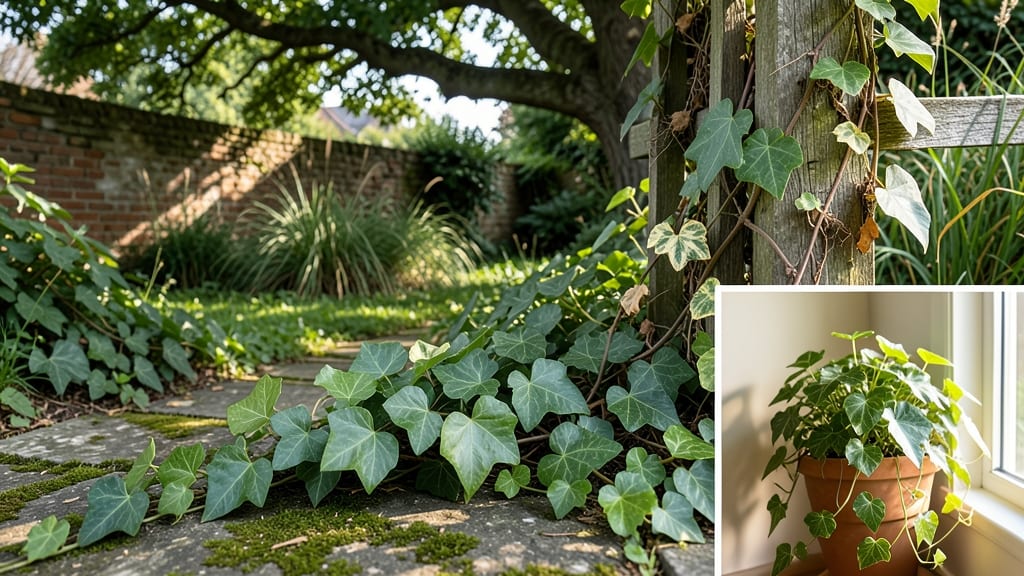
If you're wondering "how much light does an ivy plant need", you're not alone—many plant parents struggle to keep their 🌿 thriving because they either overestimate or underestimate its light tolerance.
The good news? Ivy is one of the most forgiving plants, adapting to everything from dim corners to bright, indirect sunlight, making it perfect for both indoor and outdoor spaces.
Unlike sun-loving succulents, ivy doesn’t demand harsh light, but it does need a balance to avoid becoming leggy or developing weak, pale leaves. Too little light, and it stretches toward any available source; too much direct sun, and its delicate foliage can crisp up like overcooked fries.
The key is finding that sweet spot where it stays lush and vibrant year-round.
Whether you're growing English ivy on a trellis or Boston ivy climbing a wall, understanding its light needs is the first step to keeping it happy.
I’ll break down exactly where to place your ivy—whether it’s basking near a north-facing window or thriving in dappled outdoor shade—so you can watch it flourish without guesswork.
Ready to transform your ivy from struggling to stunning? Let’s dive into the simple tricks that’ll have your plant looking its best, no matter where you live in USDA Zone 6a or beyond.

Ivy light requirements: the perfect balance between low and bright indirect sunlight
Ivy plants are famous for thriving in conditions where many other plants struggle—low-light spaces like north-facing rooms or shaded patios. But here’s the twist: while they tolerate low light, they actually flourish in bright indirect sunlight.
This means placing your ivy near a window with filtered light (like a sheer curtain) is ideal, while direct afternoon sun can burn their leaves. Think of it like Goldilocks—not too much, not too little, but just right.
The science behind this lies in ivy’s chlorophyll production. In bright indirect light, they photosynthesize efficiently, producing lush, dark green leaves. But when deprived of adequate light, their leaves turn pale and stems stretch unhealthily long (a condition called etiolation).
Even worse, too much direct sun causes leaf scorch, where crispy brown edges appear—a clear sign of overlighting.
| Ivy Variety | Light Needs | Growth Pattern | Best Placement |
|---|---|---|---|
| English Ivy (Hedera helix) | Bright indirect to partial shade | Climbing or trailing | North or east windows, shaded patios |
| Swedish Ivy (Plectranthus coleoides) | Low to bright indirect | Compact, bushy | East or west windows, indoor shelves |
| Hawaiian Ivy (Deroxyphyllum) | Bright indirect to partial sun | Trailing or hanging | South or west windows (with filter), bright rooms |
If you’re growing English ivy outdoors, aim for 4-6 hours of morning sun followed by afternoon shade. This mimics their natural habitat under forest canopies, where they thrive in dappled sunlight. For indoor ivy, a spot within 3-5 feet of a north or east-facing window is perfect.
South or west windows can work too, but use a sheer curtain to diffuse the harsh afternoon rays.
Pro tip: Rotate your ivy plant quarter-turn weekly to ensure even light exposure. This prevents one side from becoming leggy or stretched toward the light source.
I’ve seen ivy plants in my own home go from weak and sparse to vibrant and bushy in just 4 weeks after implementing this simple trick. The key is consistency—ivy adapts slowly to changes in light, so gradual adjustments work best.
For potted ivy, consider placing it on a plant stand or rotating shelf to maximize light exposure from multiple angles. Even in low-light rooms, ivy can survive with artificial grow lights (more on this in the next section!).
Just avoid placing it in complete darkness, like a closet or basement, where it will eventually decline. Ivy’s resilience makes it a great low-maintenance plant, but even it has limits.
One common misconception is that ivy can grow in any light condition. While they’re more forgiving than many plants, neglecting light leads to poor growth.
For example, my Swedish ivy in the office thrives under a fluorescent bulb for 12 hours a day, but if I move it to a dim corner, its leaves turn pale and sparse. The solution? A little extra light goes a long way for these adaptable vines.
Outdoor ivy, especially Hawaiian ivy, can handle more direct sunlight than its indoor counterparts, but avoid midday sun in hot climates. In USDA Zone 6a (like where I garden), I’ve found that morning sun + afternoon shade is the golden rule.
This balance prevents leaf burn while still encouraging healthy growth. If you’re in a warmer zone, prioritize afternoon shade even more.
Finally, remember that seasonal changes affect light exposure. In winter, days are shorter, and indoor light may feel even dimmer. This is when supplemental grow lights (like LED bulbs with a 6500K color temperature) can be a game-changer.
I’ve used them to keep my ivy lush through the darkest months, and the difference is noticeable within weeks.
So, whether you’re growing ivy as a climbing vine, a trailing plant, or a ground cover, the secret to success lies in understanding its light needs. With the right balance, your ivy will reward you with year-round greenery—even in the shadiest spots. 🌿
Ivy light requirements: the perfect balance between low and bright indirect sunlight
Ivy plants are famously adaptable, but their light needs are often misunderstood. While they can survive in low-light conditions, they truly thrive in bright indirect sunlight. This means placing them where they receive filtered light—like near an east-facing window or under a sheer curtain.
The key is avoiding harsh, direct sun, which can cause leaf burn and crispy edges, especially for varieties like English ivy.
Think of ivy as the chameleon of the plant world: it adjusts its growth patterns based on available light. In low-light spaces, expect slower growth and leggy stems as the plant stretches toward any available light source.
Conversely, too much direct sunlight can stress the plant, leading to yellowing or brown patches. The goal? Find that sweet spot of 2-6 hours of indirect light daily.
| Ivy Variety | Ideal Light Conditions | Growth Response |
|---|---|---|
| English Ivy | Bright indirect light (2-4 hours) | Compact, lush foliage |
| Swedish Ivy | Low to medium indirect light (1-3 hours) | Trailing, faster growth |
| Hawaiian Ivy | Medium indirect light (3-6 hours) | Vibrant variegation |
The science behind ivy’s light needs lies in its chlorophyll production. In low light, chlorophyll works overtime to capture what little light is available, leading to slower growth and darker green leaves.
When exposed to bright indirect light, chlorophyll operates efficiently, producing the energy needed for robust, healthy foliage. This is why your ivy might look pale and sparse in dim corners but vibrant and full near a well-lit window.
If you’re growing ivy outdoors, morning sunlight is ideal—it’s less intense than afternoon sun. For indoor ivy, rotate the pot quarter-turns weekly to ensure even light exposure. This prevents the plant from leaning toward one side, a common sign of light deprivation.
Pro tip: Place your ivy within 2-3 feet of a north or east-facing window for optimal results.
For potted ivy, consider using a sheer curtain to diffuse harsh light if your space gets too much direct sun. If you notice the leaves turning yellow or developing brown spots, it’s a clear sign of overlighting.
Move the plant to a shadier spot immediately. Conversely, if the leaves are small and the stems are long and weak, your ivy is begging for more light.
Remember, ivy’s adaptability is its superpower, but consistency is key. Whether you’re dealing with English ivy’s lush foliage or Swedish ivy’s trailing vines, giving it the right amount of light will reward you with a plant that’s hardy, vibrant, and full of life. 🌱