
Plants
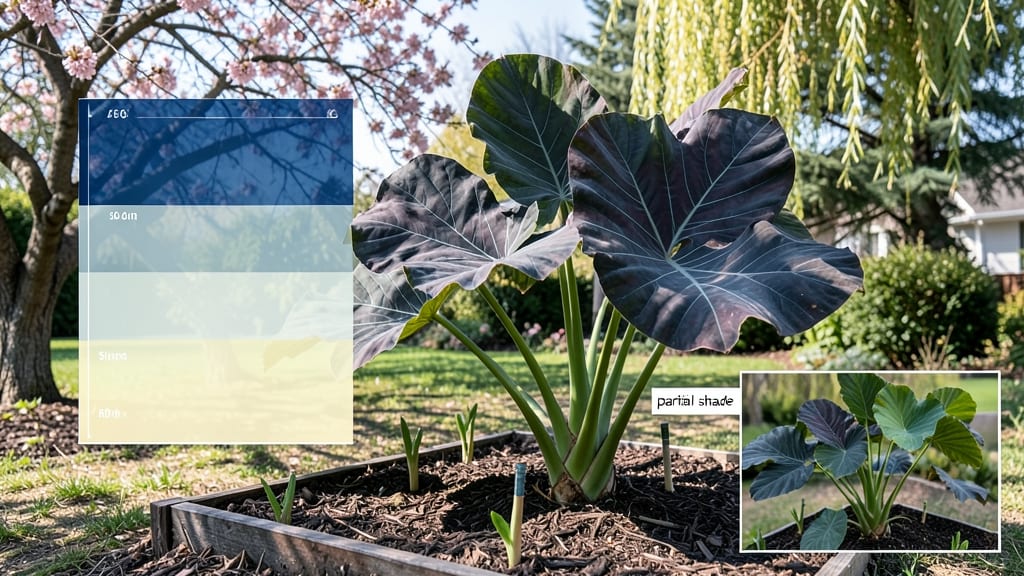
If you’re wondering how much light does an elephant ear plant need, you’re probably dealing with light exposure issues—and you’re not alone. These stunning tropical plants thrive in specific light conditions, and getting it wrong can mean the difference between lush, vibrant foliage and a struggling specimen.
The key to keeping your elephant ear happy lies in understanding the balance between partial shade and filtered sunlight. Too much direct sun can scorch those massive leaves, while too little light leads to weak, leggy growth.
I’ll break down exactly how much light these plants need, whether you’re growing them indoors near a window or outdoors in your garden.
You’ll discover how to spot the signs of improper lighting—like yellowing leaves or brown patches—and how to adjust your care routine to create the perfect growing environment.
Whether you’re dealing with a north-facing window or a shady backyard spot, these tips will help you nurture a thriving elephant ear that stays healthy all season long.
Ready to transform your plant’s health? Let’s dive into the ideal light conditions and practical solutions to keep your elephant ear looking its best, no matter where you’re growing it.

Optimal light requirements for elephant ear plants: partial shade vs. dappled sunlight
Elephant ear plants (Colocasia spp.) thrive in bright indirect light, but their stunning foliage can suffer if exposed to the wrong conditions. Too much direct sun causes leaf scorch, while too little light leads to leggy stems and pale leaves.
Understanding the difference between partial shade and dappled sunlight is key to keeping your plants lush and healthy.
Most elephant ear varieties prefer 4-6 hours of morning sun followed by afternoon shade, especially in hot climates. This balance prevents sunburn while ensuring they get enough energy to grow. Varieties like Colocasia 'Black Stem' or Alocasia have slightly different tolerances, so let’s break it down by type.
🌱 Visual Element: Comparison Table
| Variety | Light Needs | Signs of Stress | Best Location |
|---|---|---|---|
| Colocasia (e.g., 'Black Magic') | 4-6 hrs morning sun, afternoon shade | Brown edges (too much sun), limp leaves (too little) | East-facing window or dappled outdoor shade |
| Alocasia (e.g., 'Polly') | Bright indirect light, minimal direct sun | Yellowing leaves (low light), crispy patches (sunburn) | North-facing window or filtered outdoor light |
| Xanthosoma (e.g., 'Pink Frost') | Partial shade, tolerates low light better | Stunted growth (low light), bleached leaves (too much sun) | West-facing window with sheer curtain or shaded patio |
Outdoor elephant ear plants love morning sunlight because it’s gentler than the intense afternoon rays. If you’re growing them in your garden, position them where they receive dappled sunlight—think under tall trees or near a north-facing wall.
This mimics their natural habitat in tropical forests, where sunlight filters through the canopy.
Seasonal adjustments are crucial. In summer, provide extra shade with a 50% shade cloth to protect leaves from heat stress. During winter, indoor plants may need a grow light for 12-14 hours daily to prevent etiolation (stretched, weak growth).
Rotate your plants every few weeks to ensure even light exposure on all sides.
Indoor growers often struggle with low-light conditions, especially in north-facing rooms. If your elephant ear plant starts looking leggy or pale, it’s begging for more light. Move it closer to a window or supplement with a full-spectrum LED grow light for 6-8 hours daily.
Avoid placing it in a south-facing window without protection, as the intense midday sun can cause irreversible damage.
Watch for subtle signs that your plant isn’t happy. Yellowing leaves often indicate too much light, while purple-tinged stems or small, sparse leaves signal insufficient light. Adjusting their environment early can save your plant from decline.
For example, if you notice brown crispy edges, it’s time to move them to a shadier spot immediately.
Pro tip: Use a light meter (or your phone’s light app) to measure 1,000-3,000 lux for optimal growth. This range ensures your elephant ear gets enough light without risking sunburn. If you’re unsure, start with partial shade and gradually increase exposure over 2-3 weeks to acclimate the plant.
Remember, elephant ear plants are not desert dwellers—they thrive in humidity-rich, shaded environments. Mimic their tropical roots by combining the right light with consistent moisture and high humidity. With the perfect light balance, your plants will reward you with bold, glossy leaves all season long.
Optimal light requirements for elephant ear plants: partial shade vs. dappled sunlight
Elephant ear plants (Colocasia spp.) thrive in partial shade, but understanding the difference between dappled sunlight and direct sun is key to their success. These tropical beauties crave bright, indirect light—think morning sun followed by afternoon shade.
Too much direct sun causes leaf scorch, while too little light leads to weak, leggy growth with pale leaves.
For outdoor gardens, position your elephant ears where they receive 3-6 hours of morning sunlight and afternoon shade, especially in hot climates. In containers, rotate them weekly to ensure even light exposure.
Varieties like Colocasia 'Black Stem' or Alocasia 'Polly' are slightly more tolerant of shade, while Colocasia 'Illustris' prefers a bit more light.
Indoor growers should place these plants near east-facing windows where they get bright, filtered light without harsh afternoon rays. South-facing windows may require sheer curtains to diffuse intensity, while north-facing windows might need grow lights during winter months when sunlight is scarce.
| Light Condition | Hours of Sunlight | Best For | Signs of Stress |
|---|---|---|---|
| Partial Shade | 3-6 hours indirect light | Outdoor gardens, shaded patios | Leggy stems, pale leaves |
| Dappled Sunlight | Morning sun + afternoon shade | East-facing windows, filtered light | Brown leaf edges, crispy texture |
| Full Sun | 6+ hours direct sun | Avoid for most varieties | Yellowing, scorched leaves |
Seasonal adjustments are crucial. In spring and fall, elephant ears can handle more direct light as temperatures are cooler. However, during summer’s peak heat, even 3 hours of afternoon sun can be too intense.
Watch for yellowing leaf tips—a classic sign of sunburn—and move your plant to a shadier spot immediately.
For indoor plants, supplement natural light with LED grow lights (12-14 hours daily) if you notice stretched-out growth or small, sparse leaves. Place lights 6-12 inches above the plant and adjust as it grows.
Remember, these tropical plants mimic their native understory habitats, so mimic their natural light environment for the best results.
Pro tip: Test your light conditions with a light meter or observe your plant’s reaction over a week. If leaves develop bronze or purple hues, it’s a cry for more shade.
If they turn yellow and crispy, move to a brighter spot—but never full sun! Balance is everything with these dramatic foliage stars.