
Plants
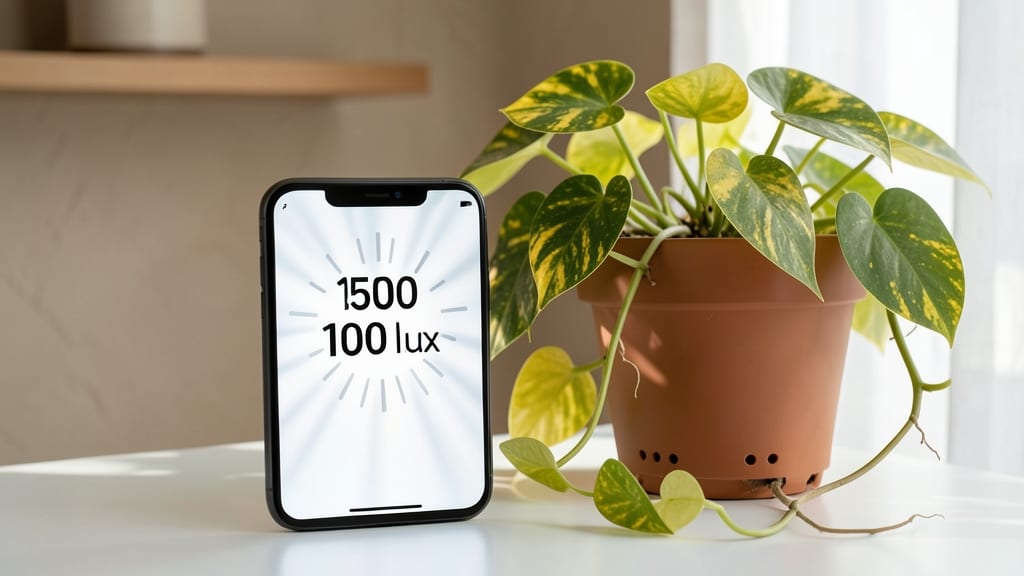
Wondering how much light does a pothos plant need to stay vibrant and healthy? If your 🌿 friend is looking a little sad with droopy leaves or pale variegation, light might be the culprit—and the solution is simpler than you think.
Pothos plants are famously adaptable, but they still need the right balance of brightness to thrive. Too little light and they stretch out leggily, while too much can scorch those beautiful leaves.
The good news? Most homes already have the perfect spot for them—you just need to know where to look.
In this guide, I’ll break down exactly how much light your pothos craves, from low-light survival to bright indirect spots that make those leaves pop. You’ll also learn how to spot signs of over- or underlighting so you can adjust before it’s too late.
Whether you’re dealing with a north-facing window or a dim corner, I’ve got practical tips to keep your pothos happy year-round—no guesswork required.

Pothos light requirements: ideal conditions for healthy growth
Pothos plants (Epipremnum aureum) are famously adaptable, but their light needs directly impact growth speed and leaf vibrancy. Most thrive in bright indirect light, but they can also survive in low-light conditions—though with less dramatic variegation.
The key is finding that sweet spot where leaves stay lush and growth remains steady.
I’ve learned through trial and error that direct sunlight is the enemy—it causes crispy brown edges on leaves. Meanwhile, dim corners lead to leggy, sparse growth. Understanding these extremes helps you position your pothos perfectly for its best performance.
Here’s the breakdown: 2-4 hours of indirect light daily is ideal for most pothos varieties. This could mean placing it 1-3 feet from a north-facing window or 6-10 feet from an east or west-facing window. South-facing windows are trickier due to intense afternoon sun.
Visualizing light intensity helps! Imagine your pothos in a sunlight gradient: the brightest indirect light (like near a sheer curtain) is best for variegated varieties, while medium indirect light (like a few feet from a window) works for standard green pothos.
🌿
| Light Condition | Ideal For | Signs of Stress |
|---|---|---|
| Bright Indirect Light | Variegated varieties (Marble Queen, Neon) | White/yellow patches on leaves |
| Medium Indirect Light | Standard Golden Pothos | Slow growth, dull leaves |
| Low Light (100-500 ft-c) | Survival mode (green varieties) | Leggy stems, small leaves |
| Direct Sunlight | Never ideal | Brown crispy edges, bleached spots |
Seasonal light changes can throw off your pothos’s rhythm. During winter months, when natural light dims, I rotate my plants quarter-turns weekly to ensure even growth. In summer, if you notice leaves curling toward the light, it’s time to move them 1-2 feet farther back from the window.
Artificial lighting works too! A grow light 6-12 inches above your pothos for 12-14 hours daily mimics natural conditions. LED grow lights are energy-efficient and won’t heat up like incandescent bulbs. I use a full-spectrum LED for my office pothos, and it thrives year-round.
Watch for these tell-tale signs of light issues: Yellow leaves often mean too much direct sun, while dark green, sparse leaves signal low light. Variegated pothos may lose their creamy patterns in dim conditions—a clear sign it’s time to relocate.
Pro tip: If your pothos starts looking leggy and stretched, it’s begging for more light. Prune the longest vines to encourage bushier growth, then move the plant to a brighter spot. This two-step approach keeps your pothos compact and healthy.
🪴
Pothos light requirements: ideal conditions for healthy growth
Pothos plants (Epipremnum aureum) are famous for their adaptability, but their light needs are the foundation of their health. These vining beauties thrive in bright indirect light, but they can also survive in low-light conditions—though their growth may slow.
The key is finding that sweet spot where your pothos gets enough light to stay vibrant without risking leaf burn from direct sun.
Most homes provide ideal light conditions near north-facing windows, where sunlight is gentle and diffused. If your pothos sits farther from a window, you’ll notice longer stems and darker green leaves—a classic sign of underlighting.
On the flip side, south-facing windows can deliver too much intensity, causing brown patches or crispy edges on leaves.
Here’s how to recognize the perfect light balance for your pothos:
| Light Condition | Leaf Appearance | Growth Pattern | Action Needed |
|---|---|---|---|
| Bright Indirect Light | Deep green with yellow/white variegation | Compact, bushy growth | Perfect! Keep current placement. |
| Low Light | Dark green, no variegation | Leggy, sparse growth | Move closer to a window or use grow lights. |
| Direct Sunlight | Brown/yellow patches, crispy edges | Stunted or burned leaves | Relocate to indirect light ASAP. |
If your pothos is showing signs of underlighting, try rotating its pot quarter-turns every 2-3 weeks. This ensures even growth and prevents one-sided stretching. For variegated varieties like Marble Queen or Neon Pothos, brighter indirect light (like an east-facing window) will enhance their stunning patterns.
Seasonal changes also affect light exposure. During winter, shorter daylight hours may require supplementing with a LED grow light for 6-8 hours daily. In summer, watch for harsh afternoon sun and use sheer curtains to diffuse intensity.
Your pothos will reward you with lush, healthy foliage when you nail its light needs!
Pro tip: Place your pothos 1-3 feet from a window for optimal brightness without direct rays. If you notice yellowing leaves, it’s often a sign of overwatering—but if the yellowing is paired with brown tips, light stress might be the culprit. Adjust accordingly!