
How To
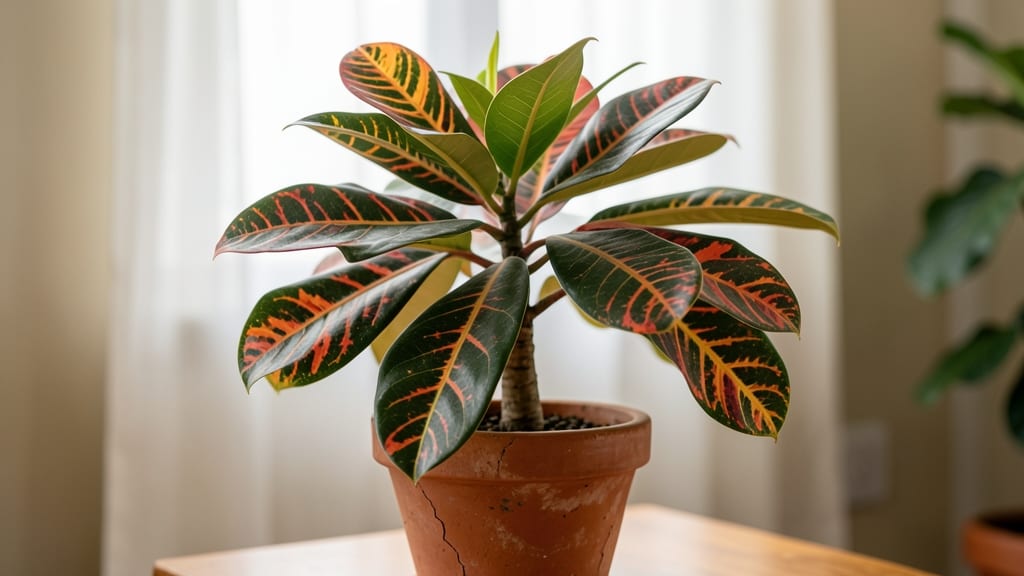
Croton plant light requirements: ideal sunlight exposure for maximum vibrancy
Crotons (Codiaeum variegatum) are famous for their bold, multicolored foliage, but their stunning leaves depend entirely on proper light exposure. Unlike sun-loving succulents, crotons thrive in bright, indirect light with just a touch of morning sun.
Too little light causes faded, dull leaves, while too much direct sun leads to brown, crispy edges. The key is finding that perfect balance.
In nature, crotons grow under dappled sunlight in tropical forests, where they receive 4-6 hours of filtered light daily. Mimicking this environment indoors or outdoors is essential for keeping your plant’s colors vibrant and healthy.
For indoor growers, this means positioning your croton near a south- or east-facing window, while outdoor gardeners should provide partial shade during peak afternoon hours.
Here’s the breakdown of ideal light conditions for crotons, including how to adjust care based on your plant’s current environment:
Seasonal changes also affect your croton’s light needs. During winter months, when daylight is shorter, supplement natural light with a 12-14 hour grow light schedule to prevent etiolation (stretched, weak growth).
In summer, if you notice leaves curling or turning yellow, it’s a sign of heat stress—move your plant to a spot with afternoon shade.
For indoor gardeners, east-facing windows are ideal because they provide gentle morning sun without the harsh afternoon rays. If your only option is a south-facing window, place your croton 3-5 feet away to filter the light. A sheer curtain can also diffuse intensity while still allowing plenty of brightness.
Outdoor crotons do best in partially shaded areas, such as under large trees or on covered patios. Avoid placing them in full sun gardens, where temperatures can exceed 90°F—this causes leaf scorch and permanent damage.
Instead, opt for morning sun exposure with afternoon relief from direct rays.
Pro tip: Rotate your croton every 2-3 weeks to ensure even light exposure on all sides. This prevents lopsided growth and helps maintain those showstopping variegated leaves. If you notice new growth leaning toward the light source, it’s time to reposition!
Remember, crotons are not low-light plants—they need brightness to maintain their color. If your plant starts looking dull or green, it’s a clear sign it’s time to move it closer to a sunny window or invest in a grow light.
Croton plant light requirements: ideal sunlight exposure for maximum vibrancy
Crotons (Codiaeum variegatum) thrive in bright, indirect light, making them perfect for sunrooms or east-facing windows. While they tolerate partial sun, too much direct afternoon sun can scorch their colorful foliage. Aim for 4-6 hours of filtered light daily to maintain those vibrant hues.
Indoor crotons often struggle with low light conditions, showing signs like pale leaves or leggy growth. If your plant isn’t getting enough light, move it closer to a window or supplement with grow lights. Outdoor crotons, however, need protection from harsh midday rays to avoid leaf burn.
Here’s how their light needs break down in a simple comparison for quick reference:
| Light Type | Daily Exposure | Best For | Signs of Stress |
|---|---|---|---|
| Bright Indirect Light | 4-6 hours | Indoor growth, vibrant foliage | Pale leaves, slow growth |
| Partial Sun (Morning) | 2-4 hours | Outdoor containers, patio plants | Brown leaf tips, sunburn |
| Low Light | <2 hours | North-facing windows, dim rooms | Leggy stems, faded colors |
| Direct Sun (Afternoon) | >4 hours | Full sun exposure | Leaf scorch, crispy edges |
Seasonal changes affect light intensity, so adjust your croton’s placement as the sun shifts. In winter, when daylight is shorter, move plants closer to windows or use LED grow lights for 12-14 hours daily.
During summer, filter harsh rays with sheer curtains or place your croton 3-4 feet away from west-facing windows.
For outdoor crotons, provide afternoon shade using a lightweight shade cloth (30-50% blockage) or dappled shade from nearby trees. This mimics their natural tropical habitat, where they grow under forest canopies. Avoid placing them in full sun without protection, as this can cause irreversible leaf damage.
If you’re unsure whether your croton is getting the right light, observe its leaves for color changes. Healthy crotons display rich, varied hues—deep greens, oranges, and reds—while stressed plants lose their vibrancy. Rotate your plant quarter-turns weekly to ensure even light exposure and prevent lopsided growth.
Pro tip: Use a light meter (or your phone’s lux app) to measure light levels. Ideal conditions for crotons fall between 10,000-15,000 lux. If readings drop below 5,000 lux, supplement with artificial lighting immediately to prevent decline.