
Plants
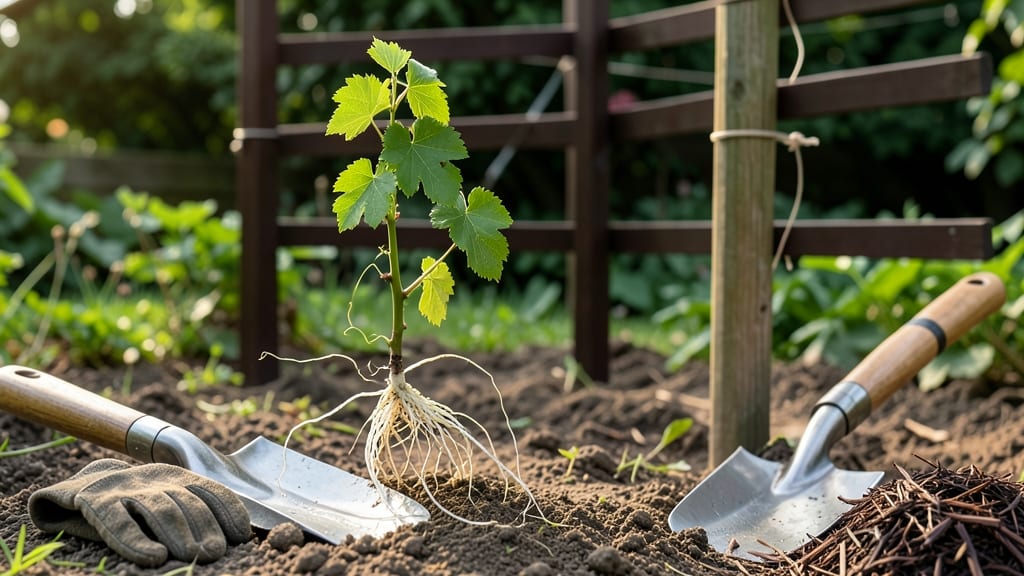
Timing your grape planting in Michigan isn’t just about the calendar—it’s about matching your vines to the state’s unique chill hours and frost patterns. With USDA Zones 5b-6b bringing early springs and late frosts, getting this right could mean the difference between a thriving 🍇 vineyard and a failed experiment.
Most Michigan gardeners plant bare-root grapes in April or May, but container grapes can wait until late spring. The key? Avoid planting too early when frost still lingers, or too late when summer heat arrives.
I’ll break down exactly how to sync your planting with Michigan’s climate quirks—so you don’t waste time or money on vines that struggle from day one.
You’ll also discover which grape varieties thrive in Michigan’s short growing season, how to prep your soil for maximum root growth, and whether to plant from cuttings or nursery stock. Trust me, skipping these steps could leave your vines weak or vulnerable to disease.
Ready to grow grapes that survive Michigan’s wild weather? Let’s dive into the step-by-step planting calendar and variety recommendations that actually work in the Great Lakes state.
Michigan grape planting timeline by chill-hour zones
Michigan’s chill-hour requirements (400-1000+ hours below 45°F) determine which grape varieties thrive in your region. Northern Michigan (Upper Peninsula) needs 900-1000+ chill hours, while Southern Michigan (Detroit, Grand Rapids) gets 600-800 chill hours. Matching your grape variety to these zones ensures proper dormancy and fruit production.
Grapes need frost-free soil before planting. In Michigan, this typically occurs between mid-April (southern regions) and late May (northern regions). Planting too early risks frost damage, while planting too late delays vine establishment. The ideal window is April-May for bare-root plants or late spring for container-grown grapes.
Bare-root grapes should be planted when soil is workable but before buds swell (early spring). Container grapes offer more flexibility, allowing planting until early summer (June). This adaptability makes them ideal for Michigan’s variable frost dates.
| Michigan Region | Chill Hours | Best Planting Window | Frost-Free Date | Recommended Varieties |
|---|---|---|---|---|
| Northern Michigan (UP) | 900-1000+ | Late April - May | Mid-May | Marquette, Frontenac, Itasca |
| Central Michigan | 700-900 | Early April - Early May | Early April | Concord, Niagara, Valvin Muscat |
| Southern Michigan | 600-800 | Mid-April - Late May | Mid-April | Catawba, Fredonia, Elvira |
For Northern Michigan, prioritize high-chill varieties like Marquette (1000+ chill hours) to prevent winter dieback. These regions benefit from earlier planting (late April) to capitalize on the short growing season. Use black plastic mulch to warm soil and extend the season.
In Southern Michigan, where frost dates arrive earlier, plant mid-April for varieties like Catawba. These areas can support both table and wine grapes, thanks to milder winters. Always monitor local frost forecasts—late frosts in May can still damage young vines.
Fall planting is risky in Michigan due to early frost risks, but container grapes can be planted in late summer (August) if transplanted carefully. Ensure the root ball stays moist and protect with row covers for the first winter. This method works best in Southern Michigan with milder autumns.
Soil temperature plays a critical role—grapes need 50°F+ soil to root properly. Use a soil thermometer to confirm readiness. In Northern Michigan, wait until soil warms to 55°F+ before planting, which may delay timing until late May.
Pro tip: Plant bare-root grapes on a 45° angle with the crown 2-3 inches below soil. This encourages deeper root growth and better cold hardiness. For container grapes, plant at the same depth as in the nursery pot to avoid stress.
Always amend soil with compost and organic matter to improve drainage—Michigan’s clay soils can become waterlogged. Raised beds work well for Northern Michigan growers to prevent frost pockets. Mulch heavily with straw or wood chips after planting to retain moisture and regulate soil temperature.
Michigan grape planting timeline by chill-hour zones
Michigan’s chill-hour requirements determine which grape varieties thrive in your region—Northern Michigan (400-600 hours) favors cold-hardy types, while Southern Michigan (700-1000+ hours) can handle more delicate varieties. Chill hours are accumulated during winter dormancy, so planting at the right time ensures your vines break dormancy properly when spring arrives.
Most Michigan gardeners plant grapes in early spring (April-May) when soil thaws but before buds swell. Bare-root grapes are best planted this way, while container-grown grapes can go in slightly later. Fall planting is riskier due to frost threats, but some gardeners try it in late September if soil remains workable.
Here’s how to match your USDA Zone 5b-6b location to the right planting window:
| Chill-Hour Zone | Best Planting Window | Soil Temp Requirement | Frost Risk |
|---|---|---|---|
| 400-600 hours (Upper Peninsula) | April 15–May 15 | 45–50°F (7–10°C) | High (late frost risk) |
| 600-800 hours (Northern Lower) | April 1–May 10 | 40–45°F (4–7°C) | Moderate (occasional late frost) |
| 800-1000+ hours (Southern Michigan) | March 20–April 30 | 35–40°F (2–4°C) | Low (warmer microclimates) |
For bare-root grapes, plant as soon as soil is workable—delays beyond May risk bud break before frost-free dates. Container grapes can wait until late May but need frost cloth if nights dip below 32°F. Southern Michigan gardeners can push planting to March if soil temps stay above freezing.
Always check your last frost date (typically mid-April in most regions) and wait 2-3 weeks after to plant. Northern Michigan’s shorter growing season means earlier planting is critical to maximize fruit development before fall frosts hit in mid-October.
Pro tip: Soak bare-root grapes for 4–6 hours before planting to rehydrate roots. Mulch heavily after planting to retain moisture and protect roots from temperature swings common in Michigan springs. 🌱