
Plants
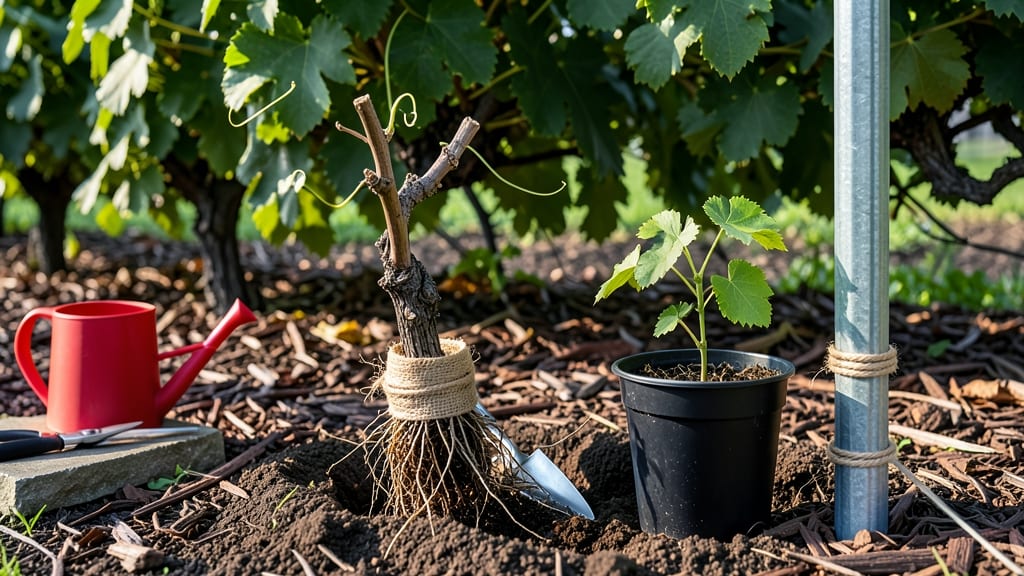
Timing your grapes planting in Colorado can feel like a high-stakes guessing game—one wrong move, and your 🍇 vines might not survive the unpredictable mountain climate.
But here’s the good news: with the right window, you can grow cold-hardy varieties that thrive in USDA Zones 5-7 and produce harvests from August to October.
Most Colorado gardeners plant grapes between late April and early June, after the last frost (usually mid-April, but this varies by elevation).
Whether you’re in Denver’s Front Range or the high-desert Western Slope, knowing when to get those vines in the ground makes all the difference—especially if you’re dealing with late frosts or heat spikes that can stress young plants.
In this guide, I’ll break down the best planting months for your specific microclimate, whether you’re going for cold-hardy Concord grapes or delicate wine varieties. You’ll also learn how to protect your vines from Colorado’s notorious late frosts and choose the right soil prep for container or in-ground planting.
Ready to turn your backyard into a grape-growing success? Let’s dive into the exact timing and tips you need to get started—without the guesswork.
Optimal Colorado grape planting months by elevation & microclimate
Colorado’s diverse elevations create microclimates that drastically affect grape planting windows. At 5,000 feet in Denver, your last frost typically arrives by mid-April, while high-desert regions above 7,000 feet may see frost until late May.
This variability means timing is everything—plant too early, and frost will kill tender shoots; too late, and vines won’t establish roots before winter.
For spring planting, aim for late April to early June after your area’s last frost date. Container-grown vines can handle slightly warmer soil, giving you a 2-week buffer compared to bare-root plants.
Fall planting is riskier but possible in September if your region has mild winters (like the San Luis Valley).
Elevation matters most—grapes grown at 6,000+ feet need earlier planting to compensate for shorter growing seasons. Use Colorado State University’s frost date maps to pinpoint your local window. For example, Fort Collins gardeners should plant by May 15, while Grand Junction can push to June 1 thanks to its warmer climate.
🌱
| Elevation Zone | USDA Zone | Best Planting Window | Key Varieties | Frost Risk |
|---|---|---|---|---|
| 5,000–6,000 ft (Denver, Boulder) | 6–7 | Late April–May 15 | Frontenac, Marquette, Valvin Muscat | Late frost (April 15–May 1) |
| 6,000–7,000 ft (Fort Collins, Colorado Springs) | 5–6 | May 1–May 20 | Concord, Niagara, Chardonnay (cold-hardy) | High risk (May 1–15) |
| 7,000+ ft (Grand Junction, Western Slope) | 7–8 | May 15–June 1 | Thomcord, Flame Seedless, Cabernet Franc | Low risk (after May 15) |
| High Desert (Alamosa, San Luis Valley) | 6–7 | September (fall planting) | Valvin Muscat, Frontenac Gris | Minimal (mild winters) |
If you’re planting bare-root vines, do it as soon as soil is workable (45°F+) to jumpstart root growth. For container-grown vines, wait until nighttime temperatures stay above 50°F to avoid transplant shock.
In high-altitude zones, consider using black plastic mulch to warm soil faster and extend your planting window by 1–2 weeks.
Colorado’s heat spikes in June can stress young vines, so prioritize morning watering and drip irrigation to keep roots cool. If planting in containers, choose 5-gallon pots minimum—smaller pots dry out too quickly in our dry climate.
Elevate pots to improve drainage and prevent root rot, especially in clay-heavy soils common in the Front Range.
For wine grape varieties like Cabernet Franc, push planting to late May to avoid spring frosts that can damage buds. These varieties need 120+ frost-free days, so high-desert areas like Grand Junction are ideal.
In contrast, hybrids like Frontenac tolerate shorter seasons and can handle 90–100 frost-free days, making them perfect for Denver and Colorado Springs.
Pro tip: Hardening off container-grown vines for 7–10 days before planting reduces shock. Gradually expose them to outdoor conditions (sun, wind, temperature swings) to mimic Colorado’s unpredictable spring weather. This step is critical for tender vinifera grapes that struggle with our temperature fluctuations.
🌡️
Optimal Colorado grape planting months by elevation & microclimate
Colorado’s diverse elevations—from Denver’s 5,280 ft to high-desert regions like Grand Junction at 4,800 ft—create wildly different planting windows for grapes.
At lower elevations (5,000 ft), you can plant as early as late March to early April, while areas above 7,000 ft (e.g., Fort Collins) often wait until mid-to-late May to avoid late frosts.
Microclimates matter too: urban heat islands in Denver may allow earlier planting, while mountain valleys like the San Luis Valley can delay planting until June.
Spring planting is ideal for bare-root vines, but container-grown grapes should wait until after the last frost (typically mid-April to early June, depending on location).
Fall planting is riskier in Colorado due to early frosts, but hardy varieties like Frontenac can survive if planted by early September in warmer zones (e.g., Pueblo). Always check your local frost dates—Colorado’s USDA Zones 4-7 see dramatic temperature swings.
| Elevation Range | Best Planting Window | Key Varieties | Frost Risk |
|---|---|---|---|
| Below 5,000 ft (e.g., Denver, Colorado Springs) | Late March–Early May (bare-root) or after last frost (containers) | Concord, Niagara, Valvin Muscat | High late frost risk (April–May) |
| 5,000–7,000 ft (e.g., Fort Collins, Boulder) | Mid-April–Mid-June (after frost) | Frontenac, Marquette, Chardonnay | Moderate (May frost common) |
| Above 7,000 ft (e.g., Grand Junction, Western Slope) | Late May–Early June (containers only) | Valvin Muscat, Flame Seedless | Low (longer growing season) |
For container planting, extend your window by choosing heat-tolerant varieties like Valvin Muscat and moving pots to sheltered locations at night. In high-desert areas (e.g., Grand Junction), heat spikes in June can stress young vines, so prioritize afternoon shade during establishment.
Always amend soil with compost and sand to improve drainage—Colorado’s clay-heavy soils can suffocate roots if not prepped.
Pro tip: Use frost clocks (like the National Weather Service’s Frost Prediction Tool) to track local trends. In Zone 5 (e.g., Fort Collins), aim for May 15 as a cutoff for spring planting, while Zone 7 (e.g., Albuquerque’s outskirts) can push to June 1.
Fall planting? Only attempt it in Zone 7 with hardy hybrids—and cover vines with straw mulch by October 1.
If you’re in Douglas County or near Pueblo, leverage urban heat islands to plant 2–3 weeks earlier than rural areas. For high-altitude vineyards (e.g., Palisade), focus on drought-resistant varieties like Flame Seedless and water deeply 2–3 times per week during July–August to compensate for lower humidity.
Monitor soil moisture with a moisture meter—Colorado’s arid climate deceives many gardeners into overwatering.
Remember: Young vines need 1–2 years to establish roots before producing fruit. Rush planting, and you risk winter dieback—a heartbreaking but common mistake in Colorado’s Zone 5–6.
Patience pays off: A well-timed May planting in Denver can yield harvests by September, while a June planting in Fort Collins might fruit the following year. Plan ahead! 🍇